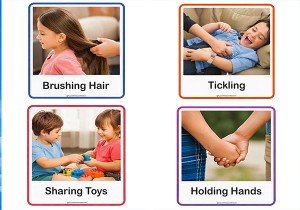
My Body Belongs to Me preschool activity: fun body outline craft teaching safety, consent, and trusted adults through play and creative learning.
Materials
- Large sheets of butcher paper or chart paper
- Crayons, markers, coloured pencils
- Stickers (stars, hearts, smiley faces)
- Child‑safe scissors
- Glue sticks
- Optional: swimmers outline template to mark private parts
What To Do
- Body Outline: Invite each child to lie down on butcher paper. Trace around their body to create a life‑size outline.
- Decorate Safely: Provide crayons and stickers for children to decorate their outline with clothes, favourite colours, and symbols of safety (stars, hearts).
- Swimmers Rule: Explain gently that the parts covered by a swimmers are private. Shade or colour these areas together to reinforce the concept.
- Safety Symbols: Encourage children to add stickers or drawings of trusted adults (e.g., Mum, Dad, teacher) around their outline.
- Affirmation: As children finish, guide them to say: “My body belongs to me. I can say stop. I can ask for help.”
Hints and Tips
- Keep language simple: Use clear, age‑appropriate words like “safe touch” and "stop".
- Focus on empowerment: Reinforce that children have the right to say “no” to unwanted touch.
- Avoid fear: Frame the activity positively — safety, respect, and trusted adults.
- Group reflection: Display outlines together as a “Safe Bodies Gallery” to celebrate children’s voices.
Extension Ideas
- Pair the activity with picture books that reinforce body safety and consent (e.g., No Means No! or Everyone’s Got a Bottom). This builds literacy while embedding protective behaviours.
- Use puppets or dolls to act out scenarios where children practise saying “stop” or "help". This supports confidence and emotional literacy.
- Create a wall display where children add photos/drawings of people they can go to for help. This strengthens Outcome 1.1 (sense of belonging).
- Link body safety to emotions by discussing how safe vs unsafe situations feel. Use emotion cards or mirrors for children to practise facial expressions.
- Send home a mini outline template for parents to decorate with their child, adding trusted adults and reinforcing the “swimmers rule” at home.
- Provide fabric scraps, magazine cut‑outs, or textured materials to decorate body outlines, encouraging creativity and fine motor development.
- Incorporate songs about body parts and safe touch, followed by dance or movement games to reinforce physical awareness.
- For older preschoolers, extend the concept to online safety—introducing simple rules about asking adults before sharing photos or information.