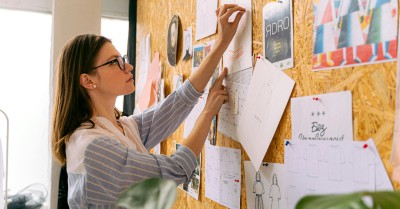
Documentation walls are more than displays—they are living narratives of children’s learning, identity, and community. When aligned with the Early Years Learning Framework (EYLF), they become powerful tools for reflection, family engagement, and sector advocacy. Below are modular, emotionally intelligent wall concepts for each of the five EYLF Learning Outcomes, adaptable to your centre’s style, cultural symbolism, and children’s voices.
Outcome 1: Children Have a Strong Sense of Identity
Theme: “Who We Are”
- Self-Portraits & Family Photos: Drawings, photos, and name cards to celebrate individuality.
- Emotion Reflections: Speech bubbles like “I feel proud when…” or “I belong because…”
- Quotes from Children: Capturing authentic self-expression.
- Cultural Symbols: Items or images representing diverse backgrounds.
- EYLF Link: Fosters belonging, agency, and identity.
Outcome 2: Children Are Connected With and Contribute to Their World
Theme: “Our Community & Culture”
- Mini Community Map: Local places children visit (library, bakery, park).
- Family Contributions: Traditions, recipes, or stories shared by families.
- Sustainability Actions: Recycling, gardening, or nature walks.
- Group Projects: Collaborative art or construction.
- EYLF Link: Highlights respect, diversity, and active contribution.
Outcome 3: Children Have a Strong Sense of Wellbeing
Theme: “Healthy Hearts & Minds”
- Movement Moments: Yoga, dance, or obstacle course photos.
- Mindfulness Reflections: Calming strategies children use.
- Nutrition & Care: Pretend play around healthy eating and self-care.
- Safety & Risk-Taking: Children navigating challenges with confidence.
- EYLF Link: Supports emotional regulation, physical health, and resilience.
Outcome 4: Children Are Confident and Involved Learners
Theme: “Curious Minds”
- Inquiry Journeys: Arrows or timelines showing project progression.
- Loose Parts Exploration: Photos of child-led constructions.
- Problem-Solving Quotes: Capturing children’s thinking aloud.
- Documentation of Mastery: Revisiting and refining ideas.
- EYLF Link: Encourages persistence, creativity, and play-based learning.
Outcome 5: Children Are Effective Communicators
Theme: “Our Voices”
- Storytelling Station: Narratives, puppet play, or comic strips.
- Mark-Making & Writing: Emergent writing, symbols, and drawing.
- Language Diversity: Multilingual greetings or songs from families.
- Group Conversations: Documenting shared discussions or debates.
- EYLF Link: Promotes expression, literacy, and multimodal communication.
Modular Add-Ons
- QR Codes: Link to digital portfolios or audio recordings.
- Interactive Elements: Sticky notes for family input or “What do you think?” prompts.
- Symbolic Motifs: Icons like gum leaves, diya lamps, or stars to theme each wall.
These walls are not static—they evolve with children’s voices, family contributions, and community engagement. They embody emotional intelligence, cultural pride, and sector compliance, while offering educators a practical, creative way to document learning outcomes.
Further Reading
Practical Examples Of EYLF Outcomes
EYLF Learning Outcomes Version 2.0
EYLF V2.0 Reference Sheet
EYLF Keywords & Prompts for Daily Observations & Planning
Ideas To Bring Each EYLF Practice To Life

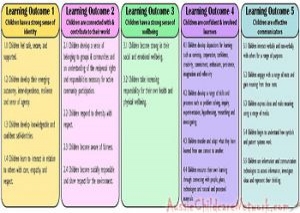 Here is the list of the EYLF Learning Outcomes that you can use as a guide or reference for your documentation and planning. The EYLF
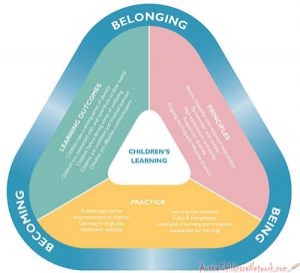 The EYLF is a guide which consists of Principles, Practices and 5 main Learning Outcomes along with each of their sub outcomes, based on identity,
 This is a guide on How to Write a Learning Story. It provides information on What Is A Learning Story, Writing A Learning Story, Sample
 One of the most important types of documentation methods that educators needs to be familiar with are “observations”. Observations are crucial for all early childhood
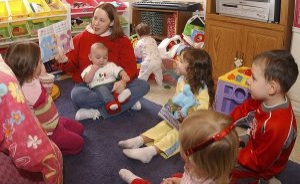 To support children achieve learning outcomes from the EYLF Framework, the following list gives educators examples of how to promote children's learning in each individual
 Reflective practice is learning from everyday situations and issues and concerns that arise which form part of our daily routine while working in an early
 When observing children, it's important that we use a range of different observation methods from running records, learning stories to photographs and work samples. Using
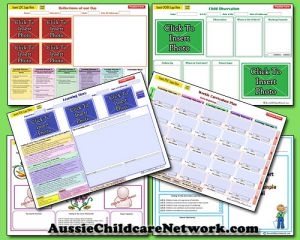 Within Australia, Programming and Planning is reflected and supported by the Early Years Learning Framework. Educators within early childhood settings, use the EYLF to guide
 This is a guide for educators on what to observe under each sub learning outcome from the EYLF Framework, when a child is engaged in
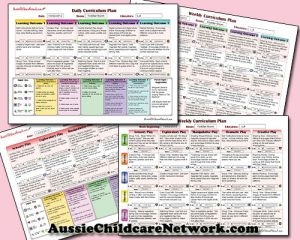 The Early Years Learning Framework describes the curriculum as “all the interactions, experiences, activities, routines and events, planned and unplanned, that occur in an environment