


Australia Day offers a powerful opportunity to reflect on the rich tapestry that makes this country truly unique. From the enduring wisdom and culture of Aboriginal and Torres Strait Islander peoples to the vibrant diversity of communities across the continent, Australia is a land of many voices, stories, and landscapes. Celebrating Australia Day means acknowledging the past, embracing the present, and nurturing a future built on respect, inclusion, and shared pride.

The preschool sign-in area is more than just a place for attendance; it’s the first touchpoint of the day where children, families, and educators connect. A thoughtfully designed sign-in space fosters independence, strengthens family partnerships, and sets a welcoming tone that helps children transition smoothly from home to the service.

A Meet the Team wall is more than just a display of photos; it’s a celebration of the people who bring our service to life. By showcasing our educators and staff, we create a welcoming space that strengthens morale, builds pride, and reminds each team member that they are valued and visible.
For families and the wider community, this wall offers a warm introduction to the faces behind the care and education. It helps build trust, transparency, and a sense of belonging, ensuring that everyone knows who is guiding and supporting their children each day.
This simple yet powerful display fosters connection, recognition, and community spirit—turning our workplace into a place where relationships thrive and contributions are celebrated.

Art displays in early childhood settings are more than colourful walls, they are living stories of children’s growth, identity, and imagination. When thoughtfully curated, displays become powerful pedagogical tools that celebrate children’s voices, document their learning journeys, and invite families into the classroom experience. They reflect the values of inclusion, sustainability, and cultural pride, while offering children a sense of belonging and ownership in their environment.
By combining children’s artwork with photographs, captions, and natural materials, educators can transform displays into interactive narratives that highlight process as much as product. These displays not only showcase creativity but also strengthen emotional literacy, community connections, and curriculum outcomes.

The parent area in an early childhood service is more than just a sign-in/sign-out point. It is the first and last space families encounter each day, shaping their impressions of the service and influencing how connected they feel to their child’s learning journey. A thoughtfully designed parent area fosters communication, builds trust, and strengthens partnerships between educators and families.

Birthdays are milestones that matter deeply to children. In early childhood settings, a birthday wall display is more than decoration; it’s a visual celebration of belonging, identity, and joy. When educators design these displays thoughtfully, they create opportunities for children to feel seen, valued, and connected to their peers. A well-crafted birthday wall also links to the EYLF outcomes, supporting children’s sense of identity, community, and communication.

Creating calming areas in early learning environments is about more than just aesthetics; it’s about offering children a safe, restorative space where they can regulate emotions, recharge, and feel secure. These spaces don’t need to be elaborate or expensive. With thoughtful setups and simple materials, educators can design corners that nurture well-being and support self-regulation.

Family tree photo displays are more than just decorations; they are living stories within the learning environment. By showcasing the people who love and support each child, educators create a bridge between home and the early learning service. These displays nurture belonging, celebrate diversity, and remind children that their identities are valued. Whether crafted from branches, bulletin boards, or creative collages, family trees become powerful tools for emotional safety, cultural pride, and community connection.
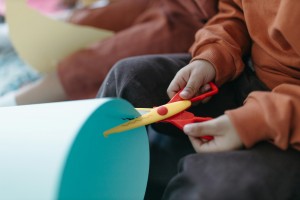
Hand-eye coordination is a crucial skill for preschoolers, helping them with everyday tasks, sports, and academic activities like writing and drawing. Here are 40 engaging activities to develop this skill.
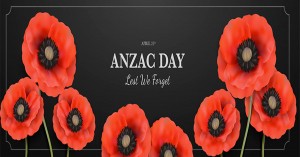
Anzac Day (April 25) is a national day of remembrance in Australia and New Zealand, honouring the service and sacrifice of soldiers. It marks the anniversary of the first major military action by the Australian and New Zealand Army Corps (ANZAC) at Gallipoli in 1915.
Helping children engage with Anzac Day through age-appropriate activities builds understanding of history, respect, and community values. The following provides free Printables and Activities, Templates and Photo Ideas that will enable you to celebrate Anzac Day at your service and activities that can be implemented into the curriculum for children.
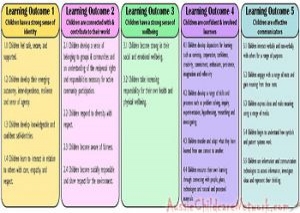 Here is the list of the EYLF Learning Outcomes that you can use as a guide or reference for your documentation and planning. The EYLF… Read More
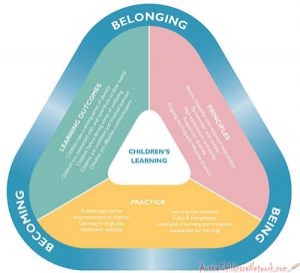 The EYLF is a guide which consists of Principles, Practices and 5 main Learning Outcomes along with each of their sub outcomes, based on identity,… Read More
 This is a guide on How to Write a Learning Story. It provides information on What Is A Learning Story, Writing A Learning Story, Sample… Read More
 One of the most important types of documentation methods that educators needs to be familiar with are “observations”. Observations are crucial for all early childhood… Read More
 To support children achieve learning outcomes from the EYLF Framework, the following list gives educators examples of how to promote children's learning in each individual… Read More
 Reflective practice is learning from everyday situations and issues and concerns that arise which form part of our daily routine while working in an early… Read More
 When observing children, it's important that we use a range of different observation methods from running records, learning stories to photographs and work samples. Using… Read More
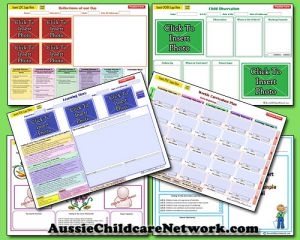 Within Australia, Programming and Planning is reflected and supported by the Early Years Learning Framework. Educators within early childhood settings, use the EYLF to guide… Read More
 This is a guide for educators on what to observe under each sub learning outcome from the EYLF Framework, when a child is engaged in… Read More
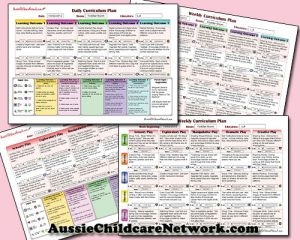 The Early Years Learning Framework describes the curriculum as “all the interactions, experiences, activities, routines and events, planned and unplanned, that occur in an environment… Read More
The aim of Quality Area 1 is to ensure that the educational programs and practices...
See more...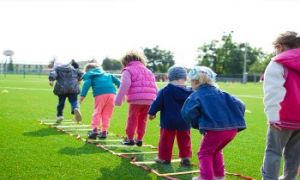
Quality Area 2 of the National Quality Standard reinforces children’s right to experience quality education...
See more...
Mentoring is a hugely beneficial way for early childhood services to build the professional capacities...
See more...