
Supervision in an OSHC setting means more than just “watching” children; it’s about actively ensuring their safety, wellbeing, and engagement while balancing freedom and responsibility. Effective supervision requires constant awareness, positioning, and interaction, guided by the National Quality Standards (NQS) and regulatory requirements.
Key Principles of Supervision in OSHC
- Active, not passive: Educators must be alert, engaged, and responsive—not simply present.
- Risk management: Identify hazards, anticipate risks, and intervene early.
- Positioning: Place yourself where you can see and hear children, with clear sightlines.
- Ratios & regulations: Follow educator-to-child ratios under National Regulations (e.g., Reg. 123).
- Dynamic practice: Adjust supervision depending on activity type, group size, and environment.
- Balance: Provide safety while allowing children agency, independence, and risk-taking in play.
Practical Strategies
- Zoning: Divide spaces into zones with clear educator responsibility.
- Scanning: Regularly sweep the environment visually and audibly.
- Engagement: Join in play to better observe interactions and support inclusion.
- Transitions: Pay extra attention during arrivals, departures, and movement between activities.
- Documentation: Record incidents, near misses, and supervision adjustments for continuous improvement.
- Excursions: Conduct risk assessments before outings (Reg. 100) and ensure supervision plans are clear.
Examples of Supervision in Action
| Setting | Supervision Practice | Educator Role |
|---|---|---|
| Outdoor play | Position staff at different vantage points | Monitor high-risk areas (climbing frames, ball games) |
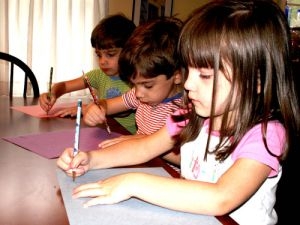
| Art & crafts indoors | Sit among children, not apart | Support creativity while preventing misuse of materials |
| Snack time | Oversee food handling and allergies | Encourage independence but check safety |
| Excursions | Assign small groups to specific educators | Maintain head counts, use buddy systems |
| Free play | Observe peer dynamics | Step in for conflict resolution or unsafe play |
Risks & Challenges
- Complacency: Sitting together as staff reduces coverage—spread out instead.
- Distractions: Phones, paperwork, or side conversations compromise vigilance.
- Over-supervision: Too much control limits child agency; balance is key.
- Environment design: Poor layout (blind spots, clutter) makes supervision harder spaces should facilitate visibility (Reg. 115).
Educator Guide
- Know the standards: NQS Quality Area 2 (Children’s Health and Safety) requires adequate supervision at all times.
- Plan supervision: Use rosters and zoning maps to allocate responsibility.
- Reflect: After each session, ask, “Did I see every child? Did I anticipate risks?”
- Collaborate: Share observations with colleagues to improve coverage.
- Continuous improvement: Update policies regularly (Reg. 168) and practice emergency management (Reg. 2.2.2).
Supervision in OSHC is a proactive, intentional practice that protects children while enabling agency and independence. It requires vigilance, positioning, engagement, and reflection, anchored in compliance with the National Quality Standards and regulations.
Further Reading
Supervision Zones
Active Supervision
Critical Reflection Questions For Indoor and Outdoor Supervision
Understanding Regulation 122 and Adequate Supervision
Active Supervision vs In Ratio
References
NSW Department of Education
capturingkidsminds.com.au
eppingheightsoshc.com.au




 The Children’s Services Award introduces a streamlined classification system and updated pay rates designed to better recognise the skills, qualifications, and responsibilities of early childhood
 The Children’s Services Award has 8 clear levels. These levels make it easier to understand where you fit, based on your experience, qualifications, and responsibilities.
 When working as a qualified early childhood teacher (with a university degree) within a service, your rate of pay will come from the Educational Services
 Diploma-qualified educators play a vital role in early childhood services, taking on responsibilities that range from supporting children’s learning and development to leading rooms and
 Certificate III qualified educators form the backbone of early childhood services, providing essential care and learning support for children across all settings. Their wages under
 Early Childhood Teachers (ECTs) play a vital role in leading curriculum and pedagogy in early learning settings. Regulation 272 of the Education and Care Services
 Discover how school readiness programs support children’s independence, confidence, and skills for a successful transition into primary school.
 When an Educator is not performing their tasks or responsibilities at best practice, these issues need to be addressed for the Educator to understand where
 Educators can maximise tax deductions by claiming classroom supplies, training, union fees, and home office costs this financial year.
 A staff appraisal is a formal, systematic process of determining and reviewing the performance of early childhood educators over a period of time, usually a