


Reggio Emilia documentation is a cornerstone of the Reggio philosophy. It’s not just record-keeping—it’s a way of making children’s learning visible, meaningful, and valued.

Mark-making refers to the earliest forms of visual expression—scribbles, lines, dots, and patterns—that children create to explore ideas, communicate meaning, and experiment with representation. Within the Reggio Emilia approach, these marks are not seen as mere preparation for writing but as a powerful language of childhood, embodying thought, emotion, and identity.
The "100 Languages of Children" is a concept from the Reggio Emilia Approach, an educational philosophy that emphasizes children's diverse ways of expressing themselves and learning. This approach encourages children to explore their creativity, curiosity, and individuality through various mediums, fostering a deeper understanding of the world around them.

Reggio Emilia Early Learning Centre has come up with details of its staff reward program known as Evolve Employee Rewards, benefits and rewards that will be provided to all the employees around its 12 campuses.
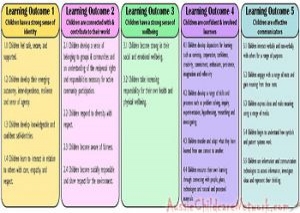 Here is the list of the EYLF Learning Outcomes that you can use as a guide or reference for your documentation and planning. The EYLF… Read More
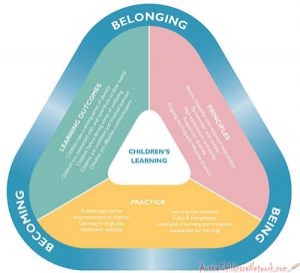 The EYLF is a guide which consists of Principles, Practices and 5 main Learning Outcomes along with each of their sub outcomes, based on identity,… Read More
 This is a guide on How to Write a Learning Story. It provides information on What Is A Learning Story, Writing A Learning Story, Sample… Read More
 One of the most important types of documentation methods that educators needs to be familiar with are “observations”. Observations are crucial for all early childhood… Read More
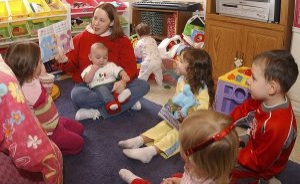 To support children achieve learning outcomes from the EYLF Framework, the following list gives educators examples of how to promote children's learning in each individual… Read More
 Reflective practice is learning from everyday situations and issues and concerns that arise which form part of our daily routine while working in an early… Read More
 When observing children, it's important that we use a range of different observation methods from running records, learning stories to photographs and work samples. Using… Read More
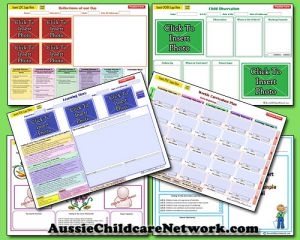 Within Australia, Programming and Planning is reflected and supported by the Early Years Learning Framework. Educators within early childhood settings, use the EYLF to guide… Read More
 This is a guide for educators on what to observe under each sub learning outcome from the EYLF Framework, when a child is engaged in… Read More
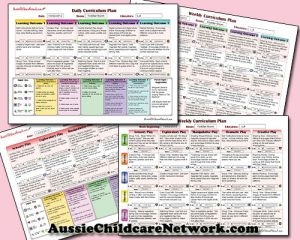 The Early Years Learning Framework describes the curriculum as “all the interactions, experiences, activities, routines and events, planned and unplanned, that occur in an environment… Read More

The Quality Improvement Plan (QIP) is not just a compliance document—it’s the heartbeat of continuous...
See more...
Playdough is more than a fun activity; it’s a versatile tool for creativity, fine motor...
See more...
Fine motor skills involve the small muscles in the hands, fingers, and wrists. The following...
See more...