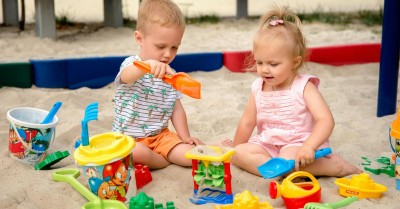
Outcome 3 - Children have a strong sense of wellbeing of the EYLF reminds us that wellbeing is about more than health, it’s about children feeling safe, confident, and capable in their bodies and emotions. This outcome highlights physical skills, emotional resilience, and the ability to manage challenges.
What This Means For Children
- They feel safe, secure, and cared for.
- They learn to manage emotions like joy, frustration, or sadness.
- They develop confidence in their physical abilities (running, climbing, balancing).
- They make healthy choices about food, rest, and activity.
- They learn strategies to calm themselves and cope with challenges.
- They build resilience and persistence when things are hard.
How Educators Might Observe This
- A toddler tries again after falling while climbing.
- A child chooses fruit at snack time.
- A preschooler talks about feeling “angry” and uses breathing to calm down.
- Children rest quietly after active play.
- A child shows pride in learning a new skill, like hopping or skipping.
- Children practice safety, like wearing hats in the sun or washing hands.
Child-Friendly Phrasing
- “I feel safe and cared for.”
- “I can run, jump, and climb.”
- “I know how to calm down.”
- “I eat healthy food and rest my body.”
- “I keep trying, even when it’s hard.”
Educator Summary
Helping children feel strong in body and mind—supporting their physical skills, emotional resilience, and ability to make healthy choices.
Family Translation
Your child is learning to:
- Feel safe and secure in their environment.
- Recognise and manage emotions.
- Build confidence in physical skills like running, climbing, and balancing.
- Make healthy choices about food, rest, and activity.
- Develop strategies to calm themselves and cope with challenges.
- Persist and show resilience when things are difficult.
Why It Matters
When children feel strong in body and mind, they are ready to explore, learn, and connect with others. Wellbeing builds confidence, resilience, and independence. It helps children manage challenges, make healthy choices, and feel safe and secure in their world.
Further Reading
EYLF Outcome 1 In Simplified Language
EYLF Outcome 2 In Simplified Language
EYLF Outcome 3 - Children Have A Strong Sense Of Wellbeing V2.0
Achieving EYLF Outcome 3 In The Babies Room
Learning Goals And Activities To Achieve EYLF Learning Outcome 3


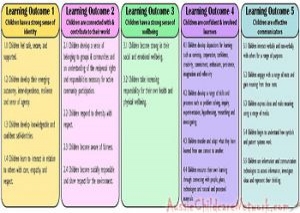 Here is the list of the EYLF Learning Outcomes that you can use as a guide or reference for your documentation and planning. The EYLF
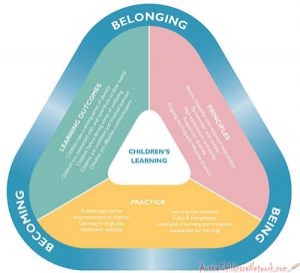 The EYLF is a guide which consists of Principles, Practices and 5 main Learning Outcomes along with each of their sub outcomes, based on identity,
 This is a guide on How to Write a Learning Story. It provides information on What Is A Learning Story, Writing A Learning Story, Sample
 One of the most important types of documentation methods that educators needs to be familiar with are “observations”. Observations are crucial for all early childhood
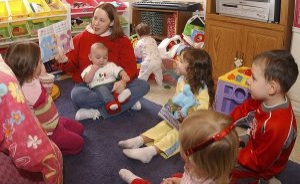 To support children achieve learning outcomes from the EYLF Framework, the following list gives educators examples of how to promote children's learning in each individual
 Reflective practice is learning from everyday situations and issues and concerns that arise which form part of our daily routine while working in an early
 When observing children, it's important that we use a range of different observation methods from running records, learning stories to photographs and work samples. Using
 Within Australia, Programming and Planning is reflected and supported by the Early Years Learning Framework. Educators within early childhood settings, use the EYLF to guide
 This is a guide for educators on what to observe under each sub learning outcome from the EYLF Framework, when a child is engaged in
 The Early Years Learning Framework describes the curriculum as “all the interactions, experiences, activities, routines and events, planned and unplanned, that occur in an environment