


Move beyond paper QIPs with digital tools, QR codes, dashboards, photos, and videos. Make quality improvement visible, collaborative, and easy to track.


The Quality Improvement Plan (QIP) is not just a compliance document—it’s the heartbeat of continuous improvement in OOSH services. It shows how your service reflects on practice, identifies strengths, and sets goals for better outcomes. Even if you’ve never written one before, you can contribute meaningfully by following a clear, mapped process.

In early childhood education, continuous improvement is not just a compliance requirement—it’s a mindset. Two key processes drive this improvement: Critical Reflection and the Quality Improvement Plan (QIP) Action Plan. While they are closely connected, they serve different purposes. Understanding how they work together ensures that educators move from thoughtful analysis to meaningful action.

The QIP is more than a compliance document; it’s a living reflection of our service’s journey toward excellence. For it to truly represent practice, educators must be actively involved in shaping, reviewing, and updating it.

A QIP display board in an early learning service is a fantastic way to make your continuous improvement journey visible, engaging, and collaborative. It helps educators, families, and even children see what the service is working on, why it matters, and how progress is being tracked.
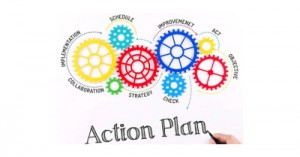
A Quality Improvement Plan (QIP) helps early childhood services keep improving. It shows what’s working well and what needs to change. An Action Plan is the step‑by‑step guide inside the QIP. It tells the team:
This makes sure improvements are clear, practical, and linked to the National Quality Standards (NQS).

High-quality early childhood education is built on a cycle of self-assessment, critical reflection, and quality improvement planning. These three elements work together to ensure services not only meet the National Quality Standard (NQS) but also continuously evolve to provide meaningful, responsive learning environments.
Self-assessment helps educators evaluate their practices against the NQS and identify strengths and areas for growth.
Critical reflection deepens this process by asking why practices matter, exploring multiple perspectives, and considering the impact on children, families, and educators.
The QIP then transforms these insights into a documented plan with clear goals, strategies, and timelines for improvement.
Together, they create a cycle of continuous improvement that strengthens compliance, promotes professional growth, and ensures children thrive in environments that are thoughtful, inclusive, and engaging.
With new child safety regulations having just come into effect, here’s a sector-responsive list of Quality Improvement Plan (QIP) priorities that services across Australia should consider updating immediately. These priorities align with the National Quality Standard (NQS), recent regulatory changes, and sector best practice.
A Quality Improvement Plan (QIP) in early childhood education is a structured approach to assessing and enhancing the quality of care and learning experiences provided to children. It helps childcare providers reflect on their practices, identify areas for improvement, and implement strategies to enhance outcomes.
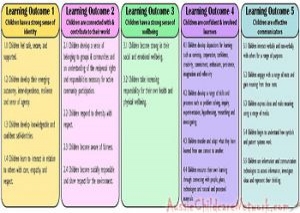 Here is the list of the EYLF Learning Outcomes that you can use as a guide or reference for your documentation and planning. The EYLF… Read More
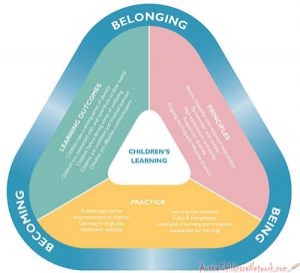 The EYLF is a guide which consists of Principles, Practices and 5 main Learning Outcomes along with each of their sub outcomes, based on identity,… Read More
 This is a guide on How to Write a Learning Story. It provides information on What Is A Learning Story, Writing A Learning Story, Sample… Read More
 One of the most important types of documentation methods that educators needs to be familiar with are “observations”. Observations are crucial for all early childhood… Read More
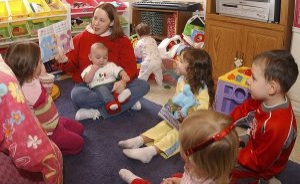 To support children achieve learning outcomes from the EYLF Framework, the following list gives educators examples of how to promote children's learning in each individual… Read More
 Reflective practice is learning from everyday situations and issues and concerns that arise which form part of our daily routine while working in an early… Read More
 When observing children, it's important that we use a range of different observation methods from running records, learning stories to photographs and work samples. Using… Read More
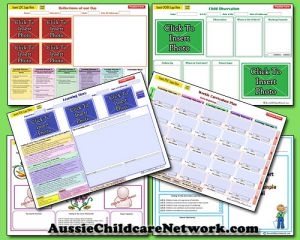 Within Australia, Programming and Planning is reflected and supported by the Early Years Learning Framework. Educators within early childhood settings, use the EYLF to guide… Read More
 This is a guide for educators on what to observe under each sub learning outcome from the EYLF Framework, when a child is engaged in… Read More
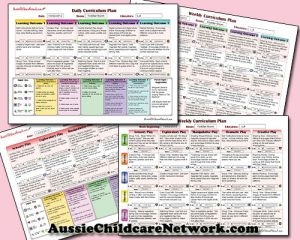 The Early Years Learning Framework describes the curriculum as “all the interactions, experiences, activities, routines and events, planned and unplanned, that occur in an environment… Read More
Quality Area 5 of the National Quality Standard focuses on relationships with children. The following...
See more...
Teaching preschoolers about nutrition can be both fun and educational. The following article provides information...
See more...
A: When analysing observations, selecting the right learning outcome depends on several factors:
See more...