


On 2nd March, it is Dr Seuss Day. It is a day that celebrates the birthday of Theodor Seuss Geisel – otherwise known by the pen name by which he authored children’s books: Dr Seuss. The following provides free Printables that will you celebrate Dr Seuss Day at your service and activities that can be implemented into the curriculum for children.

Auslan is the sign language of the Australian Deaf community. The following article provides a list of rhymes in Auslan. Each rhyme includes lyrics, a picture song board, key signs and a video of how to use Auslan signs to sing each rhyme.

On the 20th of February every year, it is National Love Your Pet Day. This special day honours the bond between humans and their beloved pets. The following provides Pet, Printables, Activities and Template that will help you celebrate pets at your service that can be implemented into the curriculum for children.

Valentine’s Day is a wonderful opportunity for children to celebrate friendship, kindness, and creativity. Through simple crafts and playful activities, children can express love and appreciation for the special people in their lives- whether family, friends, or classmates. These activities encourage teamwork, imagination, and reflection, while helping children understand that Valentine’s Day is about caring for others and spreading joy.

The 11th of February is International Day of Women and Girls in Science. It enables us to honour women’s significant achievements in science and place a much-needed focus on girls entering Science, Technology, Engineering, and Mathematics (STEM) careers.

World Pizza Day is celebrated on the 9th of February. It is essentially a celebration of pizza and its journey. The following article provides activity ideas for children to implement on World Pizza Day.
On 26 January we celebrate Australia Day. The following provides a list of activities and free printables that can be implemented into the curriculum for children.

International Kite Day is held on January 14th, 2024. The following provides a list of activities and free printables that can be implemented into the curriculum for children.
Music in varied forms offers a plethora of benefits to children, whether they are listening to or making it themselves. The following article provides the benefits of singing to children.
Though children are not physically ready to write before school, there are certain skills that can prepare them to use words and ideas when they have to put their thoughts on paper. The following article provides strategies to nurture foundation skills that will support writing skills in children.
 The Children’s Services Award introduces a streamlined classification system and updated pay rates designed to better recognise the skills, qualifications, and responsibilities of early childhood… Read More
 The Children’s Services Award has 8 clear levels. These levels make it easier to understand where you fit, based on your experience, qualifications, and responsibilities.… Read More
 When working as a qualified early childhood teacher (with a university degree) within a service, your rate of pay will come from the Educational Services… Read More
 Diploma-qualified educators play a vital role in early childhood services, taking on responsibilities that range from supporting children’s learning and development to leading rooms and… Read More
 Certificate III qualified educators form the backbone of early childhood services, providing essential care and learning support for children across all settings. Their wages under… Read More
 Early Childhood Teachers (ECTs) play a vital role in leading curriculum and pedagogy in early learning settings. Regulation 272 of the Education and Care Services… Read More
 Children need safe and positive environments to learn and grow. To ensure this, services and educators need to ensure effective supervision at all times. The… Read More
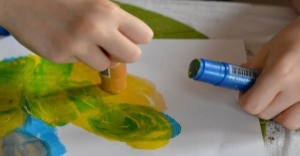 Floorbook is a documentation approach that uses a large book with blank pages for children to record different aspects of their learning in small groups… Read More
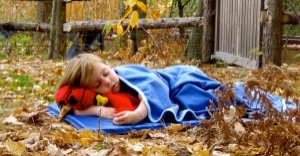 In Norway and most other Scandinavian countries, children nap in the outdoors. According, to research outdoor sleeping not only promotes better daytime sleeping, but it… Read More
 From 2026, every educator covered by the Children’s Services Award will move into a new, simplified classification structure. Instead of navigating 30 different levels, educators… Read More

Anti-bias experiences are about guiding children to be able to think about and have words...
See more...
Empathy can be understood as the experience of understanding another person's condition from their perspective...
See more...
Teaching Auslan (Australian Sign Language) in early childhood settings is a rewarding and transformative process...
See more...