



Sensory boards, often called busy boards, are interactive panels designed to stimulate children’s senses and encourage hands-on exploration. They combine everyday objects, locks, switches, textures, zippers, bells, into a safe, engaging platform that nurtures curiosity, problem-solving, and fine motor skills.


Potion play is a form of sensory and imaginative play where children mix natural or everyday materials (like water, herbs, petals, spices, sand, or glitter) to create “potions.” It’s not about real magic but about sparking creativity, curiosity, and exploration. Children pretend their mixtures have special powers, which builds storytelling and symbolic thinking.

Sensory bottles are simple yet powerful tools for children’s play, regulation, and learning. They are clear containers (usually plastic bottles or jars) filled with materials that stimulate the senses—sight, sound, and touch.

Sensory play is a cornerstone of early childhood education, offering children opportunities to explore textures, sounds, smells, and movement in ways that build curiosity and support developmental growth.
Traditionally, many educators have relied on dried food items—such as rice, pasta, or beans—as sensory bases. While these materials are engaging, the growing conversation around sustainability and food wastage challenges us to reconsider their use. As leaders in the sector, we have a responsibility to model respect for resources and embed sustainable practices into everyday play.
This article explores non-food alternatives for sensory play and provides professional references to support this shift.
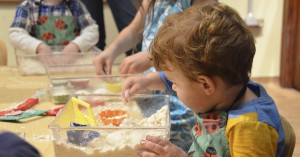
Sensory bins spark curiosity and learning, building fine motor skills, creativity, and emotional growth in toddlers and preschoolers.
 The Children’s Services Award introduces a streamlined classification system and updated pay rates designed to better recognise the skills, qualifications, and responsibilities of early childhood… Read More
 The Children’s Services Award has 8 clear levels. These levels make it easier to understand where you fit, based on your experience, qualifications, and responsibilities.… Read More
 When working as a qualified early childhood teacher (with a university degree) within a service, your rate of pay will come from the Educational Services… Read More
 Diploma-qualified educators play a vital role in early childhood services, taking on responsibilities that range from supporting children’s learning and development to leading rooms and… Read More
 Certificate III qualified educators form the backbone of early childhood services, providing essential care and learning support for children across all settings. Their wages under… Read More
 Early Childhood Teachers (ECTs) play a vital role in leading curriculum and pedagogy in early learning settings. Regulation 272 of the Education and Care Services… Read More
 Discover how school readiness programs support children’s independence, confidence, and skills for a successful transition into primary school.
Read More
Discover how school readiness programs support children’s independence, confidence, and skills for a successful transition into primary school.
Read More
 When an Educator is not performing their tasks or responsibilities at best practice, these issues need to be addressed for the Educator to understand where… Read More
 Educators can maximise tax deductions by claiming classroom supplies, training, union fees, and home office costs this financial year.
Read More
Educators can maximise tax deductions by claiming classroom supplies, training, union fees, and home office costs this financial year.
Read More
 A staff appraisal is a formal, systematic process of determining and reviewing the performance of early childhood educators over a period of time, usually a… Read More

Setting meaningful goals helps educators grow professionally, strengthen practice, and enrich children’s learning experiences. This...
See more...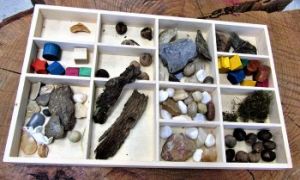
Loose parts is a term used in early childhood learning to include such objects and...
See more...
A: Placemats are not mandatory, but they can be a useful tool when implemented thoughtfully.
See more...