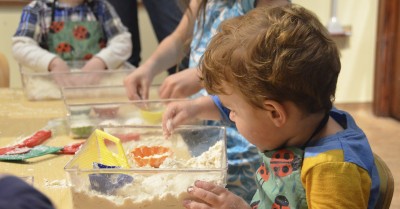
Sensory bins spark curiosity and learning, building fine motor skills, creativity, and emotional growth in toddlers and preschoolers.
Why Sensory Bins Matter
Sensory play builds fine motor skills, emotional regulation, and cognitive growth. Sensory bins provide hands‑on exploration that supports academic readiness, social development, and self‑confidence.
Sensory Bin Fillers and Activities
Rainbow Pom Poms
- Fill bins with varied colours, sizes, and textures.
- Add tongs or scoops to encourage sorting and fine motor control.
- Extend learning with patterning games (e.g., red‑blue‑red).
Shredded Paper
- Hide small toys or picture cards inside.
- Children dig with hands or tongs to find items.
- Supports hand‑eye coordination and object recognition.
Kinetic Sand
- Use moulds, cookie cutters, and toy vehicles.
- Encourages creative play and sensory exploration.
- Easy clean‑up makes it classroom‑friendly.
Wrapping Paper
- Provide scissors for snipping practice.
- Children wrap small objects, building fine motor strength.
Christmas Tinsel
- Add ornaments and garlands for decoration and play.
- Enhances imagination and holiday‑themed creativity.
Winter Scene
- Include beads, snowflakes, pinecones, and woodland animals.
- Supports pretend play, vocabulary development, and seasonal awareness.
Top Soil
- Add toy bugs, pots, and gardening tools.
- Encourages exploration, science learning, and role- play.
Soapy Water
- Mix baby shampoo with water for bubbles.
- Add sponges, funnels, and cups for washing play.
- Teaches life skills and properties of water.
Other Sensory Bin Fillers
- Rice, beans, split peas, cornmeal, coffee grounds
- Birdseed, flour, cotton balls, oatmeal, pasta
- Natural items: seashells, acorns, leaves, pinecones
- Craft materials: feathers, beads, fabric scraps, buttons
- Messy play: pumpkin guts, cooked pasta, shaving cream
Educator Tips
- Rotate fillers seasonally to keep bins engaging.
- Pair bins with literacy prompts (e.g., “Find three red pom poms and count them”).
- Link activities to EYLF outcomes: identity, wellbeing, and learning.
- Embed into QA5 practices: responsive relationships and safe exploration.
Sensory bins are more than play; they are powerful tools for development. By offering varied textures, themes, and interactive challenges, educators can foster curiosity, creativity, and confidence in toddlers and preschoolers.
Further Reading
Benefits Of Sensory Play
Sensory Processing Activities For Children To Increase Attention

 Open ended questions cannot be responded to with one word answers such as yes or no. These types of questions enables a child to provide
 During your child’s preschool years, an important milestone begins to emerge. This is the development of pre-writing skills. Pre-writing skills are used to encourage, develop
 An Acknowledgment of the Country is a way of showing respect for the Traditional Owners and can be given by both non-Indigenous people and Aboriginal
 Open ended materials enables children to play freely. They are objects that have no rules to follow, use or function. Raw materials that can be
 Language plays an important role in a child’s development. It enables a child to communicate effectively with their family, learn at school, socialize with friends,
 Like adults, children have to deal with their own stress in life. Moving house, starting a new school, preparing for a new sibling - these are
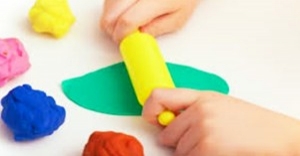 Playdough is such a versatile material. It provides numerous benefits to children as they manipulate it, it is safe and soothing and provides children with
 Teaching children about sustainability enables them to appreciate and respect the natural environment. Early childhood services can provide meaningful hand on learning experiences in order
 Recycling is an important concept that teaches children to care for the environment. It encourages children to be responsible and show a growing appreciating for
 Incursions provide children with the opportunity to explore meaningful learning experiences in the comfort of their early childhood service. The following provides a directory of