Writing critical reflections for the National Quality Standards (NQS) in early childhood education involves a thoughtful and systematic approach to evaluating and improving your teaching practices. The following articlr provides information on Steps to Write Critical Reflections For The NQS, Critical Reflection Examples for Quality Area 1 To Quality Area 7 and more.


Writing a critical reflection in early childhood education involves a thoughtful examination of your experiences, thoughts, and feelings to gain insights and improve your teaching practice. The following article provides a Step-by-Step Guide, Example Outline and Example Reflection, Topics To Critically Reflect On In Early Childhood and more.
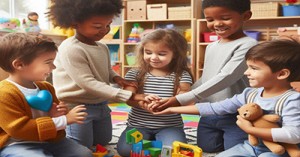
Implementing the Kindness Curriculum for preschoolers involves creating a nurturing environment that fosters social-emotional learning and mindfulness. The following article provides information on Strategies For Implementing The Kindness Curriculum, Explaining The Twelve Core Attributes To Preschoolers, Twelve Core Attributes Activities For Preschoolers, Daily Kindness Activities For Preschoolers, Mindfulness Practices For Preschoolers, Linking EYLF To The Kindness Curriculum and more.
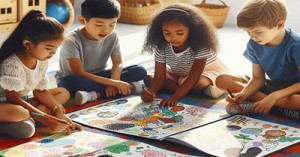
Floor books are an engaging and interactive method of recording and reflecting on children’s learning experiences in early childhood settings. The following article provides information on How To Start Floor Books, How To Document Ongoing Learning In Floor Books, Concept Ideas For Floor Books, Entries Examples For Floor Books, How To Review And Reflect Using Floor Books, How Children Can Use Floor Books and more.

Reflection is a valuable tool for personal growth and learning; critical reflection takes it a step further by promoting deeper analysis and transformative change. The following article provides information on What Is Reflection, What Is Critical Reflection, Differences Between Reflection and Critical Reflection, When To Use Reflections, When To Use Critical Reflections, Sharing Reflections and Critical Reflections With Families, Linking To The EYLF and more.

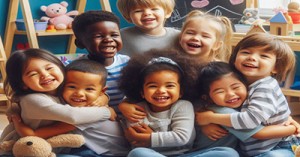
The Early Years Learning Framework (EYLF) is guided by the concepts of "Belonging, Being, and Becoming," which are central to children's learning and development. The following article provides information on Understanding Belonging, Being and Becoming, Examples Of Belonging, Being and Becoming, Implementing Belonging, Being and Becoming and more.

Quality Area 2 of the National Quality Standard focuses on children's health and safety. This area is to safeguard and promote children’s health and safety, minimise risks, and protect children from harm, injury, and infection. The following article provides a list of critical reflection questions to guide thinking and practice for QA2.
 The Children’s Services Award introduces a streamlined classification system and updated pay rates designed to better recognise the skills, qualifications, and responsibilities of early childhood… Read More
 Children need safe and positive environments to learn and grow. To ensure this, services and educators need to ensure effective supervision at all times. The… Read More
 Floorbook is a documentation approach that uses a large book with blank pages for children to record different aspects of their learning in small groups… Read More
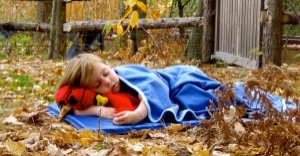 In Norway and most other Scandinavian countries, children nap in the outdoors. According, to research outdoor sleeping not only promotes better daytime sleeping, but it… Read More
 Nature programs in early childhood settings are a fantastic way to connect children with the natural world and promote holistic development. The following article provides… Read More
 From 2026, every educator covered by the Children’s Services Award will move into a new, simplified classification structure. Instead of navigating 30 different levels, educators… Read More
 Schemas are patterns of repeated behavior that allow children to explore and express developing ideas and thoughts through their play and exploration. The following article… Read More
 The following article lists 30 art and craft descriptions and links to the EYLF. These can be used as a blurb, during observations, used for… Read More
 Positive phrases play a crucial role in children's growth because they help nurture their emotional, social, and cognitive development. The following article lists 30 positive… Read More
 From the earliest months of life, babies thrive when given opportunities to experience the outdoors. Nature is not just a backdrop for play—it is a… Read More
Implementing the Kindness Curriculum for preschoolers involves creating a nurturing environment that fosters social-emotional learning...
See more...
Here’s a curated set of 20 child-centered art activity instructions designed to foster creativity, autonomy...
See more...
Sharing circles are a powerful tool for fostering collaboration, reflection, and connection among educators in...
See more...