



EYLF Outcome 4: Children Are Confident and Involved Learners, focuses on fostering children's confidence and involvement as learners. The following article provides information on Strategies To Achieve Outcome 4 With Babies, Goals For Babies To Acheive EYLF Outcome 4, Example Activities That Link With Outcome 4 For Babies, and more.

Quality Area 2 focuses on children's health and safety within educational and care settings, as per frameworks like Australia's National Quality Standard (NQS). Here are key terms associated with this area:

Reflective teaching helps educators refine their approaches, understand children’s needs, and foster a culture of continuous growth. This guide provides discussion prompts to support meaningful reflection and professional development.

Quality Area 1 typically refers to ensuring quality in education and care services, especially in frameworks like Australia's National Quality Standard (NQS). It focuses on educational programs and practice. The following article provides explanations and examples of key terms associated with Quality Area 1.

"Capturing children's voices" refers to actively listening to and including children's perspectives, ideas, and feelings in early childhood settings. This approach recognizes children as active participants in their own learning and as individuals with unique thoughts and experiences. The following article provides information on Strategies For Capturing Children's Voices, How Does Capturing Children's Voices Benefit Their Development?, What Theories Support The Idea Of Children's Voices In Their Learning?, How Can These Strategies Impact Children's Learning Outcomes?, What Are The Advantages And Challenges Of These Methods?, Examples Of Successful Implementations and more.
The Quality Areas are central to the National Quality Standard (NQS), which promotes high-quality outcomes for children in early education and care. The following article provides information on an Overview Of Each Quality Area, Connecting Quality Areas To National Law and Regulations, Strategies For Implementing Quality Areas, Tools That Can Assist In Implementing Quality Areas and more.


 The Children’s Services Award introduces a streamlined classification system and updated pay rates designed to better recognise the skills, qualifications, and responsibilities of early childhood… Read More
 Children need safe and positive environments to learn and grow. To ensure this, services and educators need to ensure effective supervision at all times. The… Read More
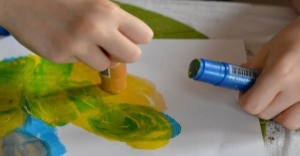 Floorbook is a documentation approach that uses a large book with blank pages for children to record different aspects of their learning in small groups… Read More
 In Norway and most other Scandinavian countries, children nap in the outdoors. According, to research outdoor sleeping not only promotes better daytime sleeping, but it… Read More
 Nature programs in early childhood settings are a fantastic way to connect children with the natural world and promote holistic development. The following article provides… Read More
 From 2026, every educator covered by the Children’s Services Award will move into a new, simplified classification structure. Instead of navigating 30 different levels, educators… Read More
 Schemas are patterns of repeated behavior that allow children to explore and express developing ideas and thoughts through their play and exploration. The following article… Read More
 The following article lists 30 art and craft descriptions and links to the EYLF. These can be used as a blurb, during observations, used for… Read More
 Positive phrases play a crucial role in children's growth because they help nurture their emotional, social, and cognitive development. The following article lists 30 positive… Read More
 From the earliest months of life, babies thrive when given opportunities to experience the outdoors. Nature is not just a backdrop for play—it is a… Read More
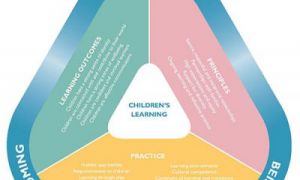
The EYLF is a guide which consists of Principles, Practices and 5 main Learning Outcomes...
See more...
The e-safety Early Years Program has been designed to support and improve online safety for...
See more...
Play is a process that is freely chosen, personally directed and intrinsically motivated. In this...
See more...