



The following is a list of critical reflections that can help educators evaluate and continuously improve their outdoor environments in early childhood settings. These prompts are designed to inspire a thoughtful review of the outdoor environment, ensuring that it remains dynamic, inclusive, and conducive to holistic development.
The Early Years Learning Framework (EYLF) is Australia’s national framework for early childhood education, designed to support children’s learning from birth to five years old. It is not a strict curriculum but rather a guiding framework that helps educators create meaningful learning experiences. The following article provides information on: EYLF Explained, Understanding The EYLF Principles, Understanding The EYLF Practices , What is The Purpose Of The EYLF, Strategies To Implement EYLF and more.

A: A summary of learning in early childhood education provides a comprehensive overview of a child's progress, helping educators, parents, and caregivers understand their development. Here are some key benefits:

Learning journals are a fantastic tool for documenting a child’s development, learning experiences, and progress over time. They provide a personalized and holistic view of a child's growth and are beneficial for educators, parents, and even children themselves. The following article provides information on What Are Learning Journals, Benefits of Learning Journals, Observations and Documentation In Learning Journals, Example of A Learning Journal and more.
Writing a progress report for early childhood education in Australia involves capturing a child's learning journey in a way that is clear, balanced, and informative for families.
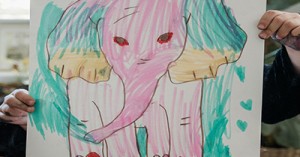
A work sample observation in early childhood education is a method used by educators to document and assess a child's learning and development through collected samples of their work. These samples can include drawings, paintings, writing, collages, and photographs of projects.

The following lists reflection questions to help educators develop cultural competence in early childhood settings.

Writing a group learning story is a fantastic way to document the collective learning experience of a group of children. Unlike individual learning stories, which focus on a single child, group learning stories capture the interactions, discoveries, and shared experiences of multiple children within a learning environment. The following article provides information on Steps to Write a Group Learning Story, Do I Have To Include All Children's Names?. Can I Include Group Stories In Individual Portfolios?, Best Practices For Documenting Group Learning Stories, Example Of A Group Learning Story and more.

The Early Years Learning Framework integrates creative arts into its curriculum planning to support children's development across multiple learning outcomes. The following article provides information on How Art Connects With EYLF Principles, What Are Some Creative Arts Activities For EYLF, How Can We Integrate Science into Creative Arts Activities, How Can We Integrate Music into Creative Art's Activities, What Are The Developmental Benefits Of Combining Art and Music, How Do Creative Arts Connect With EYLF Learning Outcomes and more.

A: Not necessarily! While follow-ups can be valuable, they aren't always required. Observations and learning stories serve different purposes, and whether a follow-up is needed depends on the context.
 The Children’s Services Award introduces a streamlined classification system and updated pay rates designed to better recognise the skills, qualifications, and responsibilities of early childhood… Read More
 Children need safe and positive environments to learn and grow. To ensure this, services and educators need to ensure effective supervision at all times. The… Read More
 Floorbook is a documentation approach that uses a large book with blank pages for children to record different aspects of their learning in small groups… Read More
 In Norway and most other Scandinavian countries, children nap in the outdoors. According, to research outdoor sleeping not only promotes better daytime sleeping, but it… Read More
 Nature programs in early childhood settings are a fantastic way to connect children with the natural world and promote holistic development. The following article provides… Read More
 From 2026, every educator covered by the Children’s Services Award will move into a new, simplified classification structure. Instead of navigating 30 different levels, educators… Read More
 Schemas are patterns of repeated behavior that allow children to explore and express developing ideas and thoughts through their play and exploration. The following article… Read More
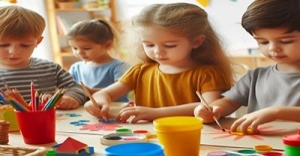 The following article lists 30 art and craft descriptions and links to the EYLF. These can be used as a blurb, during observations, used for… Read More
 Positive phrases play a crucial role in children's growth because they help nurture their emotional, social, and cognitive development. The following article lists 30 positive… Read More
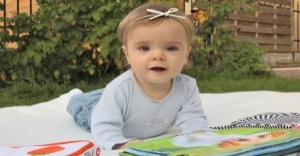 From the earliest months of life, babies thrive when given opportunities to experience the outdoors. Nature is not just a backdrop for play—it is a… Read More
If your service closes due to COVID-19, it’s important to understand what your obligations are...
See more...
Children experience adult communication not just through words, but through tone, emotional energy, facial expression...
See more...
Christmas celebrations in early childhood care can be a great way to enjoy the holiday...
See more...