


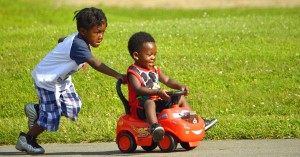
Physical development includes not just the increase in length, height and weight of the child but also the size of organs as well as the development of various reflexes, motor skills, sensations and perceptions. Here is a brief overview of ways in which physical development in the first five years can be linked to EYLF.
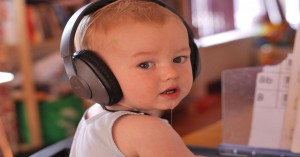
Tremendous advances in brain imaging technology over the last ten years have led to a quantum leap in brain research. Among the research areas most studied by scientists is the effect of musical experiences on the brain development of children. The following article provides information on How Music Enriches Brain Development In Children, Playing Music Vs Listening To Music, Benefits Of Music and more.

Writing ability is one of the more complex literacy skills as it depends on a host of physiological, cognitive and communication developments. The following article provides information on the role of drawing and talking in early writing development.

Brain development is directly related to cognitive development which describes how a child’s intellect grows and includes thinking, learning and problem-solving skills. The following article provides information on the fundamental cognitive milestones of brain development (6 months to 2 years), nature or nurture in brain development, the importance of nutrition in brain development and activities to promote brain development.

It is not uncommon for educators to confide that transitions tend to be the most difficult time in a typical ECEC day. At such times children often display or increase the intensity of challenging behaviours like non-compliance, aggression, biting, and so on. The following provides strategies for dealing with toddler and preschooler's difficult behaviour during transitions.
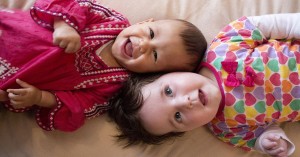
In almost 20 years, the Center for Disease Control and Prevention (CDC) and the American Academy of Pediatrics (AAP) have updated guidelines for developmental milestones for children. It has been said that earlier the milestones were depicted with 50 per cent accuracy which means there are 50 per cent chances a child may not follow the developmental milestone such as crawling, walking, making sounds, recognising a face, start smiling at a familiar face, etc. Now CDC has updated the milestone with 75 per cent accuracy which helps to track a child's growth against the developmental checklists.
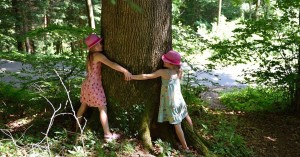
To be familiar with nature, to spend some time amid nature, talking, thinking about trees, grasses, pebbles, climates, small insects, ground warm enhance the resilience and self-esteem of a child.
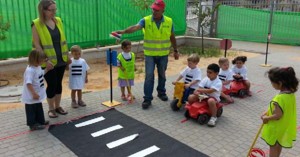
One of the most important concepts we can introduce to children is road safety. Road safety awareness can help to reduce the risk of serious injury among young children by assisting them to develop skills, knowledge and behaviour about the safe use of roads. The following article provides information on Road Safety Skills For Children, Teaching Children About Road Safety Rules, Fun Road Safety Experiences For Children, Road Safety Songs and Rhymes and more.
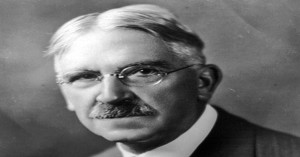
John Dewey is often seen as the proponent of learning by doing – rather than learning by passively receiving. He believed that each child was active, inquisitive and wanted to explore. He believed that children need to interact with other people, and work both alone and cooperatively with their peers and adults. The following provides information about John Dewey, Definition Of The Curriculum, Main Features Of Dewy's Theory of Education, Progressive Education and Dewey's Theories In Practice.

As Educators when communicating with Parents (through verbal or non-verbal communication), there will be times where we need to discuss issues or concerns that may arise. During this time, we may use negatives to describe the child's behavioural or personality traits (weaknesses) that they may be displaying. However, these weaknesses are hidden strengths, forming the chid's unique personality and abilities.
 The Children’s Services Award introduces a streamlined classification system and updated pay rates designed to better recognise the skills, qualifications, and responsibilities of early childhood… Read More
 The Children’s Services Award has 8 clear levels. These levels make it easier to understand where you fit, based on your experience, qualifications, and responsibilities.… Read More
 When working as a qualified early childhood teacher (with a university degree) within a service, your rate of pay will come from the Educational Services… Read More
 Diploma-qualified educators play a vital role in early childhood services, taking on responsibilities that range from supporting children’s learning and development to leading rooms and… Read More
 Certificate III qualified educators form the backbone of early childhood services, providing essential care and learning support for children across all settings. Their wages under… Read More
 Early Childhood Teachers (ECTs) play a vital role in leading curriculum and pedagogy in early learning settings. Regulation 272 of the Education and Care Services… Read More
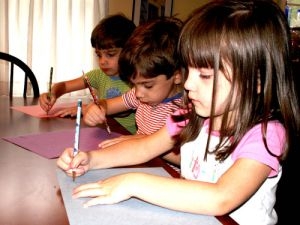 Discover how school readiness programs support children’s independence, confidence, and skills for a successful transition into primary school.
Read More
Discover how school readiness programs support children’s independence, confidence, and skills for a successful transition into primary school.
Read More
 When an Educator is not performing their tasks or responsibilities at best practice, these issues need to be addressed for the Educator to understand where… Read More
 Educators can maximise tax deductions by claiming classroom supplies, training, union fees, and home office costs this financial year.
Read More
Educators can maximise tax deductions by claiming classroom supplies, training, union fees, and home office costs this financial year.
Read More
 A staff appraisal is a formal, systematic process of determining and reviewing the performance of early childhood educators over a period of time, usually a… Read More

Celebrating Christmas in early childhood services can be a wonderful opportunity to embrace the festive...
See more...
Creating a stimulating and safe environment for babies is essential for their development. Babies thrive...
See more...
More natural disasters affect Queenslanders than any other state in Australia. Early childhood services should...
See more...