Progressive mealtimes are a flexible, child-centred approach where children eat in small, staggered groups rather than all at once. This method is particularly effective in larger groups, as it reduces stress, supports autonomy, and creates calmer routines.
Why Progressive Mealtimes Work
- Child Autonomy: Children choose when to eat, fostering independence and self-regulation.
- Calmer Atmosphere: Smaller groups reduce noise, spills, and behavioural challenges.
- Stronger Relationships: Educators can engage more meaningfully with fewer children at a time.
- Inclusive Practice: Supports diverse needs, including children who struggle in large group settings.
- Smooth Transitions: Helps children move between play, rest, and meals without disruption.
Steps to Implement Progressive Mealtimes
1. Start Small
- Trial progressive routines with morning or afternoon tea before tackling lunch.
- Lunch involves more logistics (hot food, allergies, larger portions), so begin with simpler meals.
2. Establish Clear Routines
- Keep the same location for meals.
- Limit the number of children eating at one time (e.g., 8–10).
- Ensure the same educator supervises to provide predictable responses.
3. Communicate With Children
- Explain that food will be available for everyone, even if they don’t eat at the same time.
- Use visual cues (picture cards, timers, or symbols) to show when it’s their turn.
4. Manage Expectations
- Be consistent: if the table is full, children wait. Avoid mixed signals like sometimes adding extra chairs.
- Support children with gentle reassurance that everyone will get a turn.
5. Reflect and Adjust
- Observe how children respond to the routine.
- Discuss with your team what works and what needs refining.
- Involve families by explaining the benefits of progressive mealtimes.
Progressive mealtimes aren’t about reducing structure; they’re about reframing routines to be calmer, more inclusive, and child-centred. With consistency, communication, and educator support, large groups of children can thrive in flexible, progressive environments.
What Happens If Children Don’t Come and Eat?
1. Children’s Autonomy and Choice
- Progressive mealtimes are built on respecting children’s agency. Sometimes, a child may be deeply engaged in play and choose not to eat immediately.
- This is not necessarily a problem—children learn to listen to their own hunger cues and make decisions about when to join.
2. Educator’s Role
- Educators remain observant and proactive. If a child consistently avoids eating, staff gently check in:
- “Would you like to have some food now? The table is ready.”
- Offer reminders and reassurance that food is available.
- Watch for patterns: is the child deeply engaged in play, distracted, or avoiding food altogether?
- If a child declines, educators document patterns and communicate with families to ensure needs are being met.
3. Routine and Predictability
- Clear boundaries help: children know there is a set window for meals.
- If they don’t come during that time, the opportunity closes—this teaches responsibility and routine.
- Over time, children learn that food is always available but not unlimited, which builds self-regulation.
4. Health and Safety Considerations
- If a child regularly misses meals, educators must:
- Monitor well-being (energy levels, mood, and concentration).
- Share observations with families.
- Adjust strategies (e.g., offering smaller snack portions earlier or creating visual cues to remind children).
5. Practical Strategies
- Use visual prompts (like a picture card system) so children know when it’s their turn.
- Offer gentle encouragement without pressure.
- Create a calm, inviting meal space so children want to join.
- Ensure children understand that everyone gets a turn—this reduces anxiety about missing out.
If children don’t come and eat during progressive mealtimes, it’s not about forcing them; it’s about supporting choice while safeguarding health. With consistent routines, gentle reminders, and family communication, most children adapt quickly and learn to balance play with nourishment.
How Long Does Progressive Mealtimes Last
Progressive mealtimes in early childhood programs typically last around 30–60 minutes, depending on the size of the group and the type of meal being served. Snack times are often shorter (20–30 minutes), while lunch may extend closer to an hour to allow all children a fair opportunity to eat in smaller groups
Typical Duration of Progressive Mealtimes
Snack Times
- 20–30 minutes is common.
- Children rotate through in small groups, often 6–10 at a time.
- Works well as an introduction to progressive routines since snacks are simpler and quicker to serve.
Lunch
- 45–60 minutes is recommended.
- Larger portions, hot food, and dietary needs require more time.
- Children join in staggered groups, ensuring everyone has a chance to eat without rushing.
Factors That Affect Duration
- Group size: Larger cohorts (like 32–33 children) need longer windows.
- Meal type: Hot meals or culturally diverse menus take more time than simple snacks.
- Staffing: More educators available = smoother transitions and shorter overall duration.
- Children’s readiness: Some children join quickly; others need gentle reminders or reassurance.
Best Practice Tips
- Set a clear window (e.g., 10:30–11:00 for morning tea, 12:00–1:00 for lunch).
- Keep routines consistent so children know when food is available.
- Limit group size at tables to maintain calm and safety.
- Use visual cues (cards, timers, symbols) to help children understand when it’s their turn.
- Close the mealtime window predictably—children learn responsibility and routine when they know the opportunity won’t stay open indefinitely.
Progressive mealtimes don’t mean “all-day grazing.” They are structured windows of 30–60 minutes where children eat in smaller, staggered groups. This balance ensures autonomy while safeguarding health, routine, and educator workflow.
Mealtimes are more than a scheduling choice—they’re a philosophy of care. By giving children autonomy, maintaining consistency, and safeguarding wellbeing, educators create calmer, more inclusive routines that honour each child’s voice.
In large groups, this approach transforms potential chaos into meaningful connection. With clear boundaries, gentle reminders, and reflective practice, progressive mealtimes become a daily rhythm that nurtures independence, responsibility, and joy.




 The Children’s Services Award introduces a streamlined classification system and updated pay rates designed to better recognise the skills, qualifications, and responsibilities of early childhood
 The Children’s Services Award has 8 clear levels. These levels make it easier to understand where you fit, based on your experience, qualifications, and responsibilities.
 When working as a qualified early childhood teacher (with a university degree) within a service, your rate of pay will come from the Educational Services
 Diploma-qualified educators play a vital role in early childhood services, taking on responsibilities that range from supporting children’s learning and development to leading rooms and
 Certificate III qualified educators form the backbone of early childhood services, providing essential care and learning support for children across all settings. Their wages under
 Early Childhood Teachers (ECTs) play a vital role in leading curriculum and pedagogy in early learning settings. Regulation 272 of the Education and Care Services
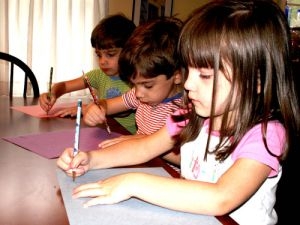 Discover how school readiness programs support children’s independence, confidence, and skills for a successful transition into primary school.
 When an Educator is not performing their tasks or responsibilities at best practice, these issues need to be addressed for the Educator to understand where
 Educators can maximise tax deductions by claiming classroom supplies, training, union fees, and home office costs this financial year.
 A staff appraisal is a formal, systematic process of determining and reviewing the performance of early childhood educators over a period of time, usually a