


The parent area in an early childhood service is more than just a sign-in/sign-out point. It is the first and last space families encounter each day, shaping their impressions of the service and influencing how connected they feel to their child’s learning journey. A thoughtfully designed parent area fosters communication, builds trust, and strengthens partnerships between educators and families.

Multilingualism is more than a skill, it’s a celebration of identity, culture, and belonging. In early childhood settings, embedding multiple languages into the environment helps children feel seen, families feel valued, and communities feel connected.

From the moment babies begin to drop spoons from their highchair to the elaborate delivery services preschoolers invent with carts and clipboards, children are engaging in schematic play. These repeated patterns of exploration, transporting, locating, seriation, combining, collecting, enveloping, and rotating are how children make sense of the world. Too often, adults misinterpret these actions as “messy” or “naughty.” In reality, they are the building blocks of mastery, innovation, and confidence. Our role as educators is to step back, observe, and scaffold, not interrupt.

Birthdays are milestones that matter deeply to children. In early childhood settings, a birthday wall display is more than decoration; it’s a visual celebration of belonging, identity, and joy. When educators design these displays thoughtfully, they create opportunities for children to feel seen, valued, and connected to their peers. A well-crafted birthday wall also links to the EYLF outcomes, supporting children’s sense of identity, community, and communication.

Starting the year as an educational leader is a powerful opportunity to shape culture, build trust, and scaffold quality practice. This guide outlines key priorities to help you lead with clarity, confidence, and care, especially in the first 4–6 weeks.

Employment contracts in early childhood education are more than paperwork; they define your rights, responsibilities, and protections. Before signing, educators should ensure the contract aligns with the Children’s Services Award [MA000120], the Fair Work Act, and NSW child protection laws.

Food play is more than sensory fun, it’s a gateway to learning across math, science, and cultural awareness. By engaging with food in playful, structured ways, children develop problem-solving skills, curiosity about the natural world, and respect for diverse traditions. Cooking activities also nurture fine motor skills, language development, and social collaboration.

Educational leadership made simple: expectations, guidance, and practical strategies to inspire teams, ensure compliance, and nurture children.

The beginning of a new year in early childhood education is more than just a fresh calendar; it’s an opportunity to set the tone for relationships, routines, and learning. A thoughtfully prepared environment helps children feel safe and excited, families feel welcomed and informed, and educators feel organized and confident.

Calendars are not just tools for marking days—they are cultural narratives that shape identity, belonging, and worldview. In early childhood education, respecting diverse calendars means recognizing that families may follow the Gregorian calendar but also lunar cycles, seasonal markers, or religious observances. For children, seeing their traditions acknowledged validates their identity and builds emotional safety. For educators, embedding diverse calendars into practice enriches curriculum, strengthens family partnerships, and aligns with the NQS focus on cultural competence and inclusion.
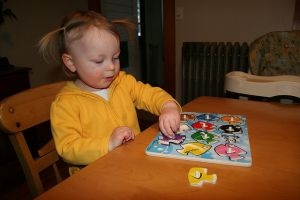 Toddlers have a greater understanding of the world around them by this stage. Their cognitive development (also known as intellectual development and thinking skills) continues… Read More
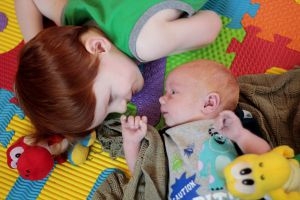 Infants begin to develop trust when parents begin to fulfil their needs. Such as changing an infant's nappy when needed, feeding on request and holding… Read More
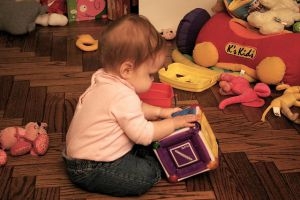 Beginning at birth the construction of thought processes, such as memory, problem solving, exploration of objects etc, is an important part of an infant’s cognitive… Read More
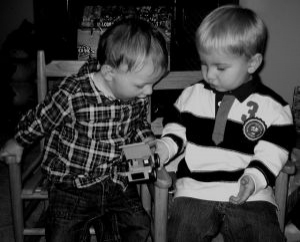 Toddlers want to do more on their own and do not like it when you begin to establish limits on their behaviour. Tantrums can become… Read More
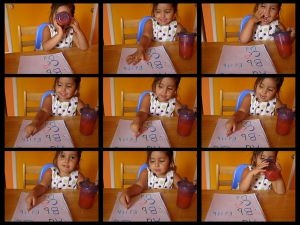 Your preschooler is now able to focus their attention more accurately and is less influenced by distractions. The intensity of questions increase as your child… Read More
 John Dewey is often seen as the proponent of learning by doing – rather than learning by passively receiving. He believed that each child was active,… Read More
 Erik Erikson developed a psychosocial theory to understand how we each develop our identities through eight stages of psychosocial development from infancy to adulthood. The… Read More
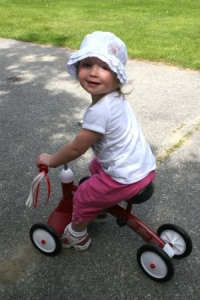 Toddler advance and gains new skills in Gross Motor Development milestones achieved throughout earlier years. Co-ordination and challenges that could not be performed before such… Read More
 At this point preschoolers begin to interact effectively with others. Play becomes more innovative and organized and “boyfriend” or “girlfriend” begins to emerge. Preschoolers have… Read More
 From now, babies begin to identify and respond to their own feelings, understanding other's feelings & needs and interact positively with others. A baby's social and… Read More
Working as a childcare professional can be a challenge especially when dealing with behavioural problems...
See more...
Behaviour management can be challenging sometimes, with energetic toddlers and young children eager to explore...
See more...
Attention deficit hyperactivity disorder (ADHD) is a psychiatric disorder of the neurodevelopmental type in which...
See more...