


A QIP display board in an early learning service is a fantastic way to make your continuous improvement journey visible, engaging, and collaborative. It helps educators, families, and even children see what the service is working on, why it matters, and how progress is being tracked.

Weekly Menu Display Boards in early childhood settings are more than just compliance tools, they’re communication bridges between educators, children, and families. Done well, they can be engaging, inclusive, and even educational. Here are some practical and creative approaches you might find useful.

Program boards are more than just wall displays—they’re a window into the learning journey of children. For educators, they serve as a compliance tool, a communication channel, and a reflective practice aid. This guide outlines what to include, why it matters, and how to design boards that are both functional and inspiring.

Australia Day offers a powerful opportunity to reflect on the rich tapestry that makes this country truly unique. From the enduring wisdom and culture of Aboriginal and Torres Strait Islander peoples to the vibrant diversity of communities across the continent, Australia is a land of many voices, stories, and landscapes. Celebrating Australia Day means acknowledging the past, embracing the present, and nurturing a future built on respect, inclusion, and shared pride.

The preschool sign-in area is more than just a place for attendance; it’s the first touchpoint of the day where children, families, and educators connect. A thoughtfully designed sign-in space fosters independence, strengthens family partnerships, and sets a welcoming tone that helps children transition smoothly from home to the service.

A Meet the Team wall is more than just a display of photos; it’s a celebration of the people who bring our service to life. By showcasing our educators and staff, we create a welcoming space that strengthens morale, builds pride, and reminds each team member that they are valued and visible.
For families and the wider community, this wall offers a warm introduction to the faces behind the care and education. It helps build trust, transparency, and a sense of belonging, ensuring that everyone knows who is guiding and supporting their children each day.
This simple yet powerful display fosters connection, recognition, and community spirit—turning our workplace into a place where relationships thrive and contributions are celebrated.

Art displays in early childhood settings are more than colourful walls, they are living stories of children’s growth, identity, and imagination. When thoughtfully curated, displays become powerful pedagogical tools that celebrate children’s voices, document their learning journeys, and invite families into the classroom experience. They reflect the values of inclusion, sustainability, and cultural pride, while offering children a sense of belonging and ownership in their environment.
By combining children’s artwork with photographs, captions, and natural materials, educators can transform displays into interactive narratives that highlight process as much as product. These displays not only showcase creativity but also strengthen emotional literacy, community connections, and curriculum outcomes.

The parent area in an early childhood service is more than just a sign-in/sign-out point. It is the first and last space families encounter each day, shaping their impressions of the service and influencing how connected they feel to their child’s learning journey. A thoughtfully designed parent area fosters communication, builds trust, and strengthens partnerships between educators and families.

Birthdays are milestones that matter deeply to children. In early childhood settings, a birthday wall display is more than decoration; it’s a visual celebration of belonging, identity, and joy. When educators design these displays thoughtfully, they create opportunities for children to feel seen, valued, and connected to their peers. A well-crafted birthday wall also links to the EYLF outcomes, supporting children’s sense of identity, community, and communication.

Creating calming areas in early learning environments is about more than just aesthetics; it’s about offering children a safe, restorative space where they can regulate emotions, recharge, and feel secure. These spaces don’t need to be elaborate or expensive. With thoughtful setups and simple materials, educators can design corners that nurture well-being and support self-regulation.
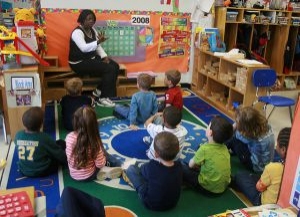 Working as a childcare professional can be a challenge especially when dealing with behavioural problems which may arise. The techniques we use when dealing with… Read More
 There are different types of behaviour that children can display and sometimes it can be hard to manage, especially if a child is having behavioural… Read More
 As Educators, there will be many instances where you will need to write about a child's behaviour. For a behaviour management plan, assessments, half-yearly or… Read More
 As a parent, your behavioural expectations of your child can be higher than what is actually developmentally appropriate for your child's age.
Read More
As a parent, your behavioural expectations of your child can be higher than what is actually developmentally appropriate for your child's age.
Read More
 As Educators when communicating with Parents (through verbal or non-verbal communication), there will be times where we need to discuss issues or concerns that may… Read More
 Challenging Behaviour is when a child does something that hurts themselves and/or other people.
Read More
Challenging Behaviour is when a child does something that hurts themselves and/or other people.
Read More
 It's always difficult to bring up behavioural issues with parents, it can be nerve wrecking to tell a parent that their child misbehaves but that… Read More
 As part of your child's development it is normal for your child to have anxiety and fears. A baby commonly shows a fearful sign to… Read More
 All children deal with anger on a daily basis. Thinking about it as a child, there is a lot to be angry about. Elder people… Read More
 It is important to understand that your child behaviour problems could not just be from attention seeking. There are many factors to take into consideration… Read More

The language development of a school age child is quite vast and typically a wide...
See more...
Attachment theory is a key concept in developmental psychology that examines the importance of early...
See more...
Babies use of language at this stage changes so much that it's hard to notice...
See more...