Children’s gardens are more than just spaces for growing plants—they are living classrooms where curiosity, responsibility, and creativity flourish. By weaving upcycling into these gardens, educators can transform everyday discarded items into vibrant, functional learning tools. This approach not only reduces waste but also models sustainability and innovation for children in ways they can see, touch, and nurture.

Encouraging children to self-serve food and drinks during mealtimes is more than just a practical routine, it’s a powerful pedagogical strategy that builds independence, confidence, and healthy habits.

Creating Aboriginal and Torres Strait Islander displays in early childhood education (ECE) settings is about more than decoration—it’s about embedding cultural respect, identity, and belonging into the learning environment. Here are some practical and meaningful approaches.

Reggio Emilia documentation is a cornerstone of the Reggio philosophy. It’s not just record-keeping—it’s a way of making children’s learning visible, meaningful, and valued.

Indoor sand play is a sensory-rich, imaginative activity where children explore sand in contained environments such as trays, tubs, or sand tables. It offers opportunities for creativity, problem-solving, and emotional regulation while minimizing the mess of outdoor sandpits.

Early childhood education is guided by philosophy—the beliefs and values that shape how we teach, care, and create environments for children. But philosophy is not just words on paper. When we talk about “philosophy in action", we mean bringing those values to life in everyday practice so children, families, and educators experience them meaningfully.

Mark-making refers to the earliest forms of visual expression—scribbles, lines, dots, and patterns—that children create to explore ideas, communicate meaning, and experiment with representation. Within the Reggio Emilia approach, these marks are not seen as mere preparation for writing but as a powerful language of childhood, embodying thought, emotion, and identity.

Lunar New Year (17th February 2026) is a vibrant celebration observed across many Asian cultures, symbolizing renewal, family, and hope for the year ahead. In early childhood settings, it offers a rich opportunity to honor cultural diversity, foster inclusion, and spark joy through sensory experiences, storytelling, and creative play. By tailoring activities to babies, toddlers, and preschoolers, educators can create meaningful, age-appropriate engagements that respect traditions while nurturing curiosity and belonging.

The home corner is more than a play space—it’s a mirror of children’s lived experiences and a stage for imagination, identity, and social learning. By re-enacting routines, caring for “family members,” and experimenting with roles, children build empathy, language, and problem-solving skills. For educators, the home corner is a window into children’s understanding of relationships, culture, and community.

Sensory bottles are simple yet powerful tools for children’s play, regulation, and learning. They are clear containers (usually plastic bottles or jars) filled with materials that stimulate the senses—sight, sound, and touch.
 Working as a childcare professional can be a challenge especially when dealing with behavioural problems which may arise. The techniques we use when dealing with… Read More
 There are different types of behaviour that children can display and sometimes it can be hard to manage, especially if a child is having behavioural… Read More
 As Educators, there will be many instances where you will need to write about a child's behaviour. For a behaviour management plan, assessments, half-yearly or… Read More
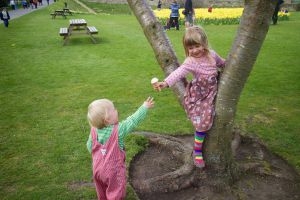 As a parent, your behavioural expectations of your child can be higher than what is actually developmentally appropriate for your child's age.
Read More
As a parent, your behavioural expectations of your child can be higher than what is actually developmentally appropriate for your child's age.
Read More
 As Educators when communicating with Parents (through verbal or non-verbal communication), there will be times where we need to discuss issues or concerns that may… Read More
 Challenging Behaviour is when a child does something that hurts themselves and/or other people.
Read More
Challenging Behaviour is when a child does something that hurts themselves and/or other people.
Read More
 It's always difficult to bring up behavioural issues with parents, it can be nerve wrecking to tell a parent that their child misbehaves but that… Read More
 As part of your child's development it is normal for your child to have anxiety and fears. A baby commonly shows a fearful sign to… Read More
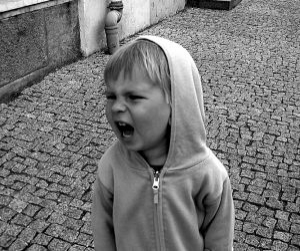 All children deal with anger on a daily basis. Thinking about it as a child, there is a lot to be angry about. Elder people… Read More
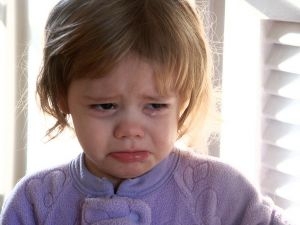 It is important to understand that your child behaviour problems could not just be from attention seeking. There are many factors to take into consideration… Read More
As soon as your baby's first tooth emerges and followed by the rest of the...
See more...
Children’s early experiences consist of interactions with parents, other family members, Educators and teachers as...
See more...