


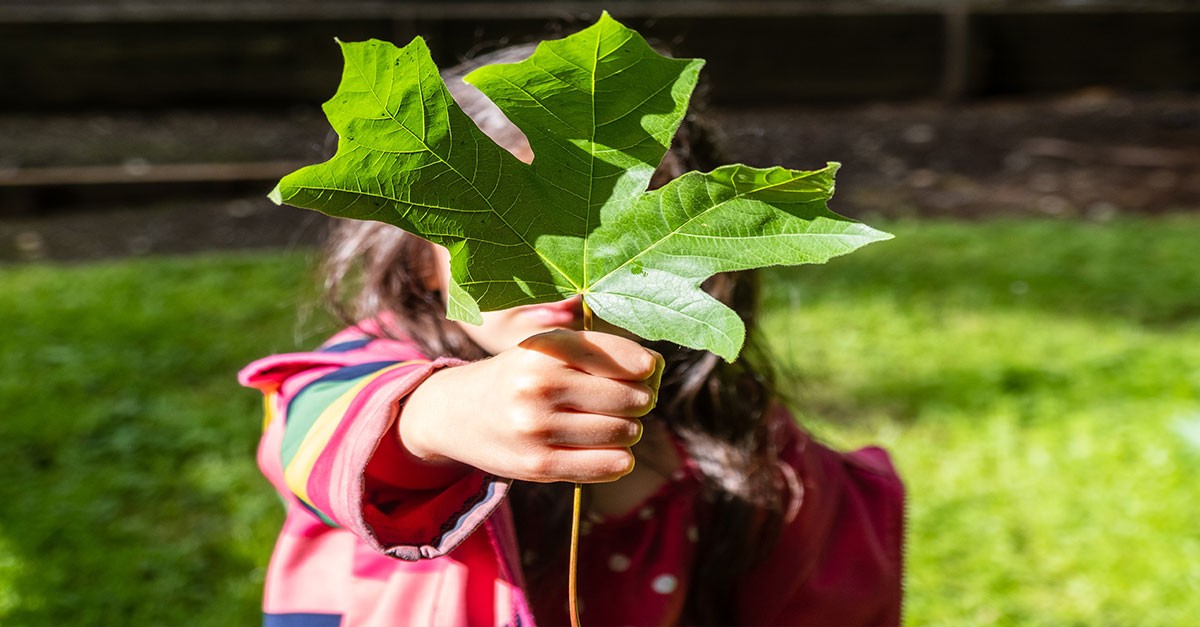
On 24 May 2022, Prime Minister Anthony Albanese attended the Quad Leaders’ Summit where he received a report from UNICEF that showed that Australia ranks 30 out of 39 economically advanced countries on the impact of environmental conditions on children's wellbeing.
Though Australia ranks among the top 10 countries with respect to pollution and child-friendly environments but as a nation, we fare badly overall because of our unsustainable consumption of resources, the amount of electronic waste generated each year and our carbon emissions.
This report shows that Australians’ consumption of resources is not sustainable. Our consumption rates are so high that if everyone in the world lived like the average person in Australia, we would need 4.6 planet earth to sustain these levels of resource consumption,” said Katie Maskiell, Head of Child Rights Policy and Advocacy at UNICEF Australia.
The UNICEF Innocenti Report Card is a series of reports designed to monitor and compare the performance of economically advanced countries in securing the rights of their children – with this latest report, titled ‘Places and Spaces: Environments and children’s well-being’ and focussing on environmental impacts.
UNICEF Australia is calling for the government to create a National Youth Advisory Council to give young people a direct link to government and to help shape government thinking when it comes to issues affecting young people.
With climate change affecting the frequency and severity of natural disasters, UNICEF Australia also calls for the government to develop child-centric disaster frameworks, and fund mental health support to help recovery from such emergencies.”
Mounting waste, harmful pollutants and exhausted natural resources are taking a toll on our children’s physical and mental health and threatening our planet’s sustainability. Policies and practices must be developed that safeguard the natural environment upon which children and young people depend the most.
Reference:
Global Report Card Ranks Australia In Bottom Third Of Countries For Environmental Impact On Children, Unicef Australia

 G8 Education introduces Emmy and Friends consent lessons, teaching 30,000 children body autonomy, safe adults, and protective behaviours nationwide.
 Indigenous preschools play an important role in preserving language, culture, and identity for future generations. A recent story from Australia highlights how early childhood education