


In a sector where time, presence, and emotional safety are paramount, documentation should serve learning—not overwhelm it. This guide clarifies what educators are legally required to document under the Education and Care Services National Regulations, and what can be safely streamlined or reimagined.

In the rhythm of early childhood education, the most meaningful moments often happen in the quiet spaces between routines—when educators kneel to listen, when a child’s story unfolds through play, when connection is felt rather than recorded. Yet across many services, the pressure to document every detail of a child’s day has grown into an unsustainable burden, pulling educators away from presence and into paperwork.
This article clarifies what educators are actually required to document under the Education and Care Services National Regulations—and what can be safely let go.

Organising and documenting critical reflections in early childhood services isn’t just about meeting NQS Element 1.3.2—it’s about embedding a culture of inquiry, emotional safety, and continuous improvement. Here’s a curated set of practical, emotionally intelligent, and sector-aligned ideas to help you scaffold reflection meaningfully across your team.

Effective pedagogical strategies in early childhood education are grounded in developmental theory, child agency, and emotionally intelligent practice. Here’s an overview of the most impactful approaches currently shaping high-quality early learning. The following article provides information on: Core Pedagogical Strategies with Examples, Supporting Diverse Learners with Examples, Family Engagement as Pedagogy with Examples and more.

Child-led inquiry maps are visual tools that capture and scaffold children’s natural curiosity, questions, and investigations. They’re especially powerful in early learning settings where authentic voice, agency, and co-construction are central. The following article provides information on What Is a Child-Led Inquiry Map?, Core Elements to Include, How To Implement a Child-Led Inquiry Map and more.
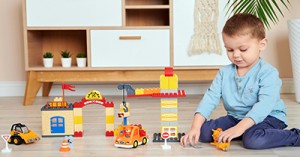
Child-centered learning is the heartbeat of high-quality early learning services—it places the child’s voice, interests, and wellbeing at the core of every decision, interaction, and environment. Here's a comprehensive look at what it means and how it transforms practice.
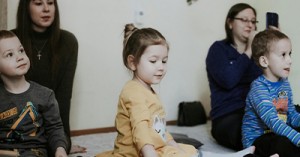
Here’s a cheat sheet for Quality Area 6: Collaborative Partnerships with Families and Communities from the NQS. This cheat sheet includes each standard, its elements, and practical examples tailored for early childhood settings.

Here's a practical Quality Area 5 Cheat Sheet that includes key standards, element breakdowns, and real-world examples that reflect emotionally intelligent, trauma-informed, and child-centered practice. This area focuses on building secure, respectful, and reciprocal relationships that support children’s wellbeing, belonging, and development.

Here's a breakdown of Exceeding Theme 3: Meaningful Engagement with Families and/or the Community across Quality Areas 1 to 7, tailored to your advocacy lens. This theme is all about co-constructing practice with families and communities—ensuring their voices shape decisions, environments, and outcomes.

Here's a comprehensive breakdown of Exceeding Theme 2:Practice is Informed by Critical Reflection across all quality areas 1 to 7 of the National Quality Standard (NQS). This theme emphasizes how services use deep, ongoing reflection to inform and improve their practices—not just occasionally, but as a core part of their culture.
