


Children love bright colours. Rainbow science experiments engage curiosity, teach absorption, density, and refraction, and make learning fun.
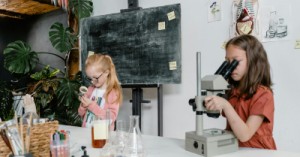
Create inspiring science and nature areas in childcare with photo ideas, practical setups, and engaging activities to spark curiosity and learning.
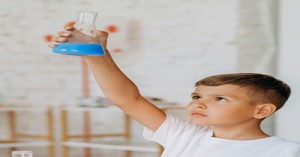
Here’s a themed EYLF-aligned guide to 30 preschool science experiments, complete with materials, instructions, science concepts, and EYLF learning outcomes. This is designed for educators who want to embed intentionality, inquiry, and curriculum links into hands-on science.
Here’s a roundup of 20 super simple science experiments for toddlers in early learning settings. These activities are sensory-rich, safe, and designed to spark curiosity while introducing foundational science concepts.

Babies explore science through play, discovering cause, effect, patterns, and curiosity with sensory‑rich, everyday experiences.

Discover how science sparks curiosity in early childhood, hands‑on play, inquiry learning, and EYLF links nurture lifelong discovery.
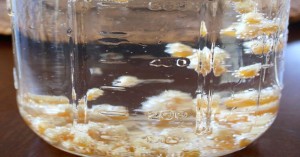
Dancing corn is a fun sceince experiment to do with toddlers and preschoolers. Watch corn dance with a little kitchen chemistry.
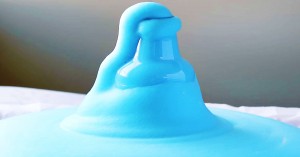
Elephant toothpaste erupts a foam that children can create in this experiment that resembles toothpaste being squeezed from a tube.
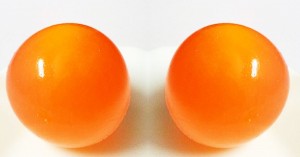
Make a hard egg bounce by adding it to a cup of vinegar. This is a great STEAM experiment to try with children - make different colour "egg balls" and watch how vinegar dissolves the hard shell to create a bouncy egg.
National Science Week is Australia’s annual celebration of science and technology, and it is held from 12 to 20 August 2023.
 Open ended questions cannot be responded to with one word answers such as yes or no. These types of questions enables a child to provide… Read More
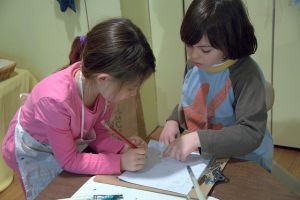 During your child’s preschool years, an important milestone begins to emerge. This is the development of pre-writing skills. Pre-writing skills are used to encourage, develop… Read More
 An Acknowledgment of the Country is a way of showing respect for the Traditional Owners and can be given by both non-Indigenous people and Aboriginal… Read More
 Open ended materials enables children to play freely. They are objects that have no rules to follow, use or function. Raw materials that can be… Read More
 Language plays an important role in a child’s development. It enables a child to communicate effectively with their family, learn at school, socialize with friends,… Read More
 Like adults, children have to deal with their own stress in life. Moving house, starting a new school, preparing for a new sibling - these are… Read More
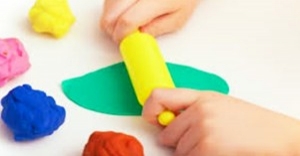 Playdough is such a versatile material. It provides numerous benefits to children as they manipulate it, it is safe and soothing and provides children with… Read More
 Teaching children about sustainability enables them to appreciate and respect the natural environment. Early childhood services can provide meaningful hand on learning experiences in order… Read More
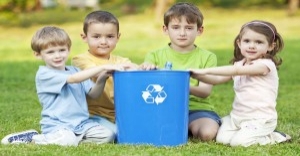 Recycling is an important concept that teaches children to care for the environment. It encourages children to be responsible and show a growing appreciating for… Read More
 Incursions provide children with the opportunity to explore meaningful learning experiences in the comfort of their early childhood service. The following provides a directory of… Read More

The childcare sector in Australia includes both for‑profit providers (like G8 Education) and nonprofit services...
See more...
The Child Care Provider Handbook is free and written for providers of early learning and...
See more...
Acknowledgement of Country is more than a ritual—it’s a daily opportunity to connect children with...
See more...