
It’s common for students to be asked to help with cleaning, tidying, and supervising children outdoors. These tasks are part of daily routines and give you insight into how services operate. However, if your placement hours are limited to cleaning and basic supervision, you’re missing out on the learning opportunities placements are designed to provide.
Placements should expose you to:
- Observing and supporting children’s learning experiences.
- Understanding curriculum links and documentation practices.
- Engaging in routines like mealtimes, rest times, and group activities.
- Connecting theory from your course to real-world practice.
If you’re not experiencing these, it’s worth addressing.
Signs Your Placement Isn’t Meeting Learning Outcomes
- You’re restricted to cleaning tasks only.
- You’re not invited to observe or participate in planned experiences.
- You haven’t had opportunities to connect placement hours to course requirements.
- You feel you’re not learning or developing professional skills.
Steps You Can Take
-
Review Your Course Requirements
Check your handbook or placement guide. Placements are meant to meet specific learning outcomes, not just provide labour. -
Communicate with Your Supervisor
Politely explain that you’d like opportunities to observe and support learning activities. Frame it around your course needs:
“I’d love to be involved in group activities so I can connect this to my studies.” -
Document Your Experience
Keep a record of what you’ve been asked to do. This helps if you need to raise concerns with your training provider. -
Advocate for Yourself
Position your request as wanting to meet course requirements, not as a complaint. Supervisors are often more receptive when they see it’s about your learning. -
Escalate if Needed
If nothing changes, contact your course coordinator. They can intervene to ensure your placement is meaningful.
Placements are about learning, not free labour. You deserve to gain skills and insights that prepare you for the profession. Cleaning and supervision are part of the job, but they should not be the only part of your placement experience.
Further Reading
Study Plan Techniques For Students
Navigating Placement Boundaries in Early Childhood Education
Q: Do Students Have To Complete Practicals
Opinion: 70000 Students in Training, but 21000 Educators Missing




 If you’re doing your Certificate III in Early Childhood Education and Care through a traineeship, your pay and conditions work differently to other educators. This
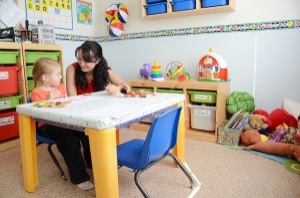 Work placement is an excellent opportunity for you to prepare and gain insight into the early childhood industry as well as help you to clarify
 Are you thinking of starting a traineeship in childcare? Well from personal experience, working in this child care industry brings great fulfilment and satisfaction. Watching
 There is no truth to the rumour that the certificate III or 'actively working towards' will be phased out.
 For educators looking to update their qualification and have the required knowledge, experience and skills instead of completing assignments and tasks to complete a qualification
 As a student finding information and doing research is an important part of completing assignments. Once you find the information you need to complete the
 Hiring overseas educators can not only bring a service the benefits of a diverse, multicultural workplace but also address staffing shortage issues. However before an
 Being a student and completing assessments can be a hard task. Especially when you don’t understand what the question is, you have to write an
 As you take the next big step and decide to continue studying you need to decide whether you will be able to manage working at
 Making the decision to study is a big one. It can be stressful, thinking of how you're going to complete assignments or if you're going