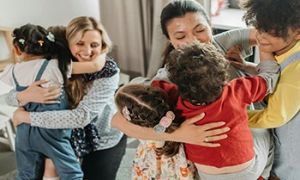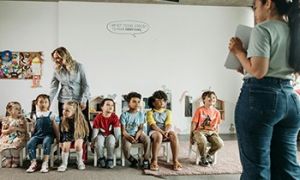
For babies and toddlers, diversity and inclusion play can be nurtured through simple, sensory-rich experiences that introduce different cultures, abilities, and identities in age-appropriate ways. The key is to use everyday play materials—blocks, dolls, songs, and stories that reflect varied backgrounds and abilities—while keeping activities interactive and joyful.
Diversity & Inclusion Play Ideas for Babies/Toddlers
Inclusive Toys
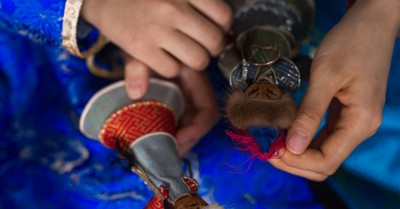
- Dolls and figurines with different skin tones, hair textures, and abilities (wheelchairs, hearing aids, glasses).
- Soft plush toys representing animals or cultural symbols from around the world.
- Blocks or puzzles featuring diverse community helpers (nurse, farmer, teacher, firefighter).
Cultural Music & Movement
- Play global lullabies or toddler-friendly songs from different cultures.
- Simple dance routines inspired by folk traditions (clapping games, circle dances).
- Introduce instruments like maracas, tambourines, or hand drums from varied traditions.
Storytelling & Books
- Board books with multicultural families and inclusive themes.
- Picture stories about festivals like Diwali, Lunar New Year, or Eid.
- Use puppets or felt boards to act out inclusive stories.
Sensory Play
- Textures from different cultures: silk, wool, bamboo, clay.
- Food-themed sensory bins (rice, lentils, pasta) with safe scooping tools.
- Water play with floating toys representing boats from different regions.
Role Play & Dramatic Play
- Dress-up clothes from different cultures (sarongs, hats, scarves).
- Pretend play kitchens with utensils from varied traditions.
- Doctor/nurse kits that include diverse medical tools and adaptive aids.
Celebration Play
- Mini play festivals: lantern-making for Lunar New Year, rangoli art for Diwali, drumming for African heritage.
- Simple crafts tied to Indigenous storytelling or local traditions.
- Sharing snacks or pretend foods from different cuisines.
Why This Matters
- Babies notice differences early—exposure through play normalizes diversity.
- Toddlers build empathy by role-playing and hearing inclusive stories.
- Inclusive play reduces stereotypes and fosters confidence, respect, and belonging.
Practical Tips for Educators & Parents
- Rotate toys/books regularly to keep diversity visible.
- Use local cultural context (e.g., Tamil lullabies, Indigenous Australian stories) alongside global traditions.
- Encourage family participation—invite parents to share songs, foods, or stories from their heritage.
- Keep activities short and sensory-rich for toddlers’ attention spans.
Further Reading
Examples Of How Diverse Cultures Can Be Incorporated
Learning Environments That Show Respect For Diversity
Cultural Competence In Early Childhood Settings
Children's Books About Diversity
Embedding Cultural Representation Authentically
Teaching Children About Similarities And Differences In People



 Open ended questions cannot be responded to with one word answers such as yes or no. These types of questions enables a child to provide
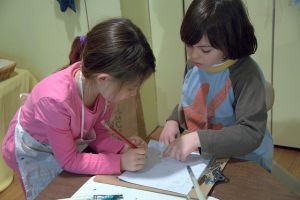 During your child’s preschool years, an important milestone begins to emerge. This is the development of pre-writing skills. Pre-writing skills are used to encourage, develop
 An Acknowledgment of the Country is a way of showing respect for the Traditional Owners and can be given by both non-Indigenous people and Aboriginal
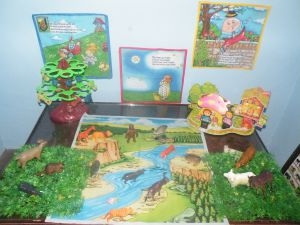 Open ended materials enables children to play freely. They are objects that have no rules to follow, use or function. Raw materials that can be
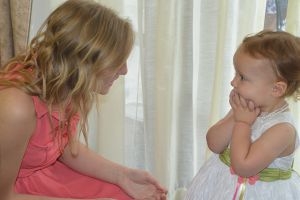 Language plays an important role in a child’s development. It enables a child to communicate effectively with their family, learn at school, socialize with friends,
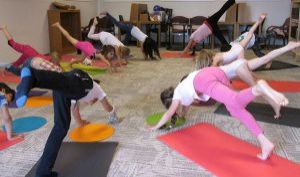 Like adults, children have to deal with their own stress in life. Moving house, starting a new school, preparing for a new sibling - these are
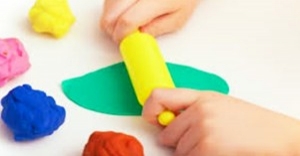 Playdough is such a versatile material. It provides numerous benefits to children as they manipulate it, it is safe and soothing and provides children with
 Teaching children about sustainability enables them to appreciate and respect the natural environment. Early childhood services can provide meaningful hand on learning experiences in order
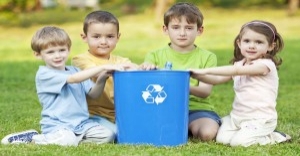 Recycling is an important concept that teaches children to care for the environment. It encourages children to be responsible and show a growing appreciating for
 Incursions provide children with the opportunity to explore meaningful learning experiences in the comfort of their early childhood service. The following provides a directory of