When children are pressured to immediately say “sorry” after causing harm, they often learn that apologies are just words, a quick escape from discomfort. This teaches compliance, not compassion. It can unintentionally encourage dishonesty, as children may say the words without truly meaning them.
Modeling Authentic Apologies
Children absorb more from what adults do than what adults say. Parents, teachers, and caregivers who model genuine apologies, showing remorse, empathy, and responsibility in everyday life, teach that “sorry” is more than a word. It’s an act of connection.
Examples of modeling:
- Authentic apologies after snapping in frustration.
- Compassionate repair when forgetting a promise.
- Empathy in action when acknowledging someone’s hurt feelings. Time and Space for Reflection
When a child causes harm, rushing them into a “sorry” misses the point. Instead, allow them to:
- Process emotions — anger, guilt, sadness, or confusion.
- Recognize impact — understanding how their actions affected another person.
- Choose authentic words—expressing remorse when they’re ready.
This teaches that apologies are not about avoiding punishment but about repairing relationships.
From Words to Actions
A true apology is more than words; it’s paired with action. Children learn that repairing harm matters as much as saying “sorry.”
- Helping rebuild a broken toy.
- Offering comfort to a hurt friend.
- Following through on promises.
How Children Can Express Remorse
Children often express remorse most authentically when they’re given the time and emotional space to process what happened. Instead of rushing them into a quick “sorry,” adults can guide them through reflection and empathy-building steps. Here’s a practical pathway:
Pause Before Responding - Be Patient
Allow the child to sit with their feelings instead of rushing them into words.
-
Give quiet time after the incident
-
Avoid pressuring with "Say sorry now."
-
Let them calm down before talking
Children express remorse better when they can identify their emotions.
-
Ask gentle prompts like "How do you feel about what happened?"
-
Offer words if they struggle: sad, guilty, worried
-
Validate their emotions without judgment
Guide Reflection on Impact - Empathy Building
Encourage the child to see how their actions affected others.
-
Ask: "How do you think your friend felt?"
-
Use simple scenarios or role-play
-
Reinforce that actions can hurt feelings or bodies
Support Authentic Expression
Once they’re ready, help them choose words or actions that feel genuine.
-
Encourage them to say what they truly mean
-
Suggest adding an action: hug, fix, or help
-
Praise the effort, not just the words
Model and Reinforce
Show them that apologies are about connection, not compliance.
-
Share your own authentic apologies in daily life
-
Reinforce that saying sorry is about repairing trust
-
Celebrate when they express remorse thoughtfully
From Words to Actions
A true apology is more than words — it’s paired with action. Children learn that repairing harm matters as much as saying “sorry.”
-
Helping rebuild a broken toy.
-
Offering comfort to a hurt friend.
-
Following through on promises.
Respecting the Journey of Empathy
True empathy takes time. A meaningful “sorry” is filled with thought, reflection, and care. By respecting this process, adults help children learn that
- Saying sorry is about connection, not compliance.
- Apologies are actions, not just words.
- Healing requires time, space, and authenticity.
In short, forcing “sorry” teaches children to lie, but modeling compassion and allowing time for authentic remorse teach them to love.




 The Children’s Services Award introduces a streamlined classification system and updated pay rates designed to better recognise the skills, qualifications, and responsibilities of early childhood
 The Children’s Services Award has 8 clear levels. These levels make it easier to understand where you fit, based on your experience, qualifications, and responsibilities.
 When working as a qualified early childhood teacher (with a university degree) within a service, your rate of pay will come from the Educational Services
 Diploma-qualified educators play a vital role in early childhood services, taking on responsibilities that range from supporting children’s learning and development to leading rooms and
 Certificate III qualified educators form the backbone of early childhood services, providing essential care and learning support for children across all settings. Their wages under
 Early Childhood Teachers (ECTs) play a vital role in leading curriculum and pedagogy in early learning settings. Regulation 272 of the Education and Care Services
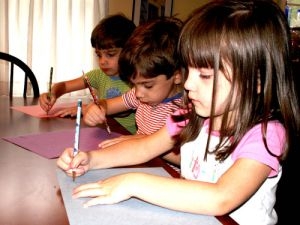 Discover how school readiness programs support children’s independence, confidence, and skills for a successful transition into primary school.
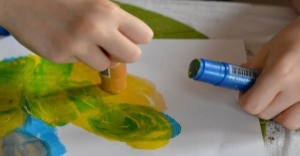 Floorbook is a documentation approach that uses a large book with blank pages for children to record different aspects of their learning in small groups
 When an Educator is not performing their tasks or responsibilities at best practice, these issues need to be addressed for the Educator to understand where
 Educators can maximise tax deductions by claiming classroom supplies, training, union fees, and home office costs this financial year.