



A reflection allows us to analyze our experiences, make changes based on our mistakes, keep doing what is successful, and build upon our knowledge.
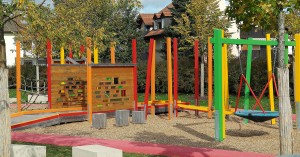
A reminder for NSW Early Childhood Services, that The Quality Learning Environment program is offering grants of up to $15,000 (excluding GST). These are available to services to enhance their learning environments, for example with minor construction, equipment or other resources to help provide inclusive, safe and supportive preschools that contribute to positive experiences and outcomes for children. Submission close soon!

For all services, both persons in day-to-day charge and all nominated supervisors must complete an approved child protection course.
As an Educator, you are involved in the day to day running of the service. At times you are also witnessing to the services breach of regulations, staff misconduct or aspects of the service that you believe is unethical. If you feel that the service where you're working is not meeting National Regulations or are implementing bad practices then it is vital that you make a formal complaint.

When you're looking for a new Educator to join the team, you want someone who is knowledgeable, may have had some experience and is qualified. However, at times you may be suspicious due to the qualification the Educator has received yet the knowledge that they share or the answers to questions just don't match up.

Quality Area 7 has two standards that focus on governance and leadership at the service.
Quality Area 6 has two standards that support building collaborative partnerships with families and communities to enhance children’s inclusion, learning and wellbeing as they transition through the early years into school and/or attend outside school hours care services.
Quality Area 5 has two standards that focus on relationships between educators and children, and between children and their peers.

Quality Area 4 has two standards that focus on the organisation and professionalism of educators, staff and management.
Quality Area 3 has two standards that focus on the design of service facilities and the use of the service’s physical environment to support children’s experiences.
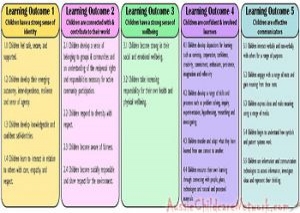 Here is the list of the EYLF Learning Outcomes that you can use as a guide or reference for your documentation and planning. The EYLF… Read More
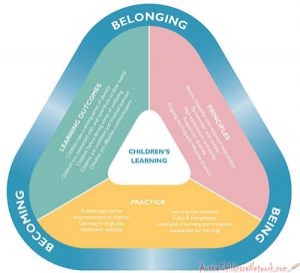 The EYLF is a guide which consists of Principles, Practices and 5 main Learning Outcomes along with each of their sub outcomes, based on identity,… Read More
 This is a guide on How to Write a Learning Story. It provides information on What Is A Learning Story, Writing A Learning Story, Sample… Read More
 One of the most important types of documentation methods that educators needs to be familiar with are “observations”. Observations are crucial for all early childhood… Read More
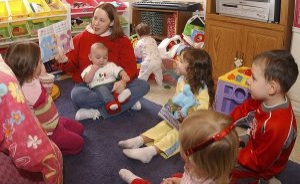 To support children achieve learning outcomes from the EYLF Framework, the following list gives educators examples of how to promote children's learning in each individual… Read More
 Reflective practice is learning from everyday situations and issues and concerns that arise which form part of our daily routine while working in an early… Read More
 When observing children, it's important that we use a range of different observation methods from running records, learning stories to photographs and work samples. Using… Read More
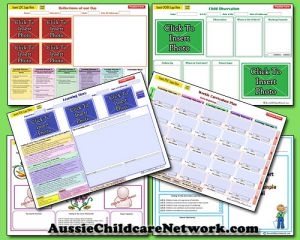 Within Australia, Programming and Planning is reflected and supported by the Early Years Learning Framework. Educators within early childhood settings, use the EYLF to guide… Read More
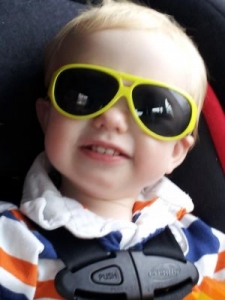 This is a guide for educators on what to observe under each sub learning outcome from the EYLF Framework, when a child is engaged in… Read More
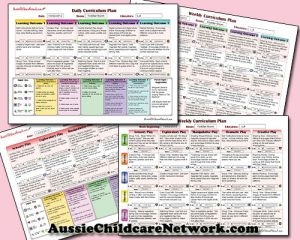 The Early Years Learning Framework describes the curriculum as “all the interactions, experiences, activities, routines and events, planned and unplanned, that occur in an environment… Read More
Creating a safe and empowering environment for preschoolers begins with intentional, age-appropriate education around body...
See more...
Mindfulness can be incredibly beneficial for educators in early childhood settings. The following article provides...
See more...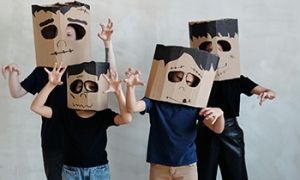
Celebrating Halloween in early childhood settings can be enriching, but it’s important to weigh the...
See more...