


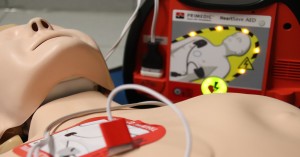
The Australian Skills Quality Authority has released advice for RTO's to consider adapting practices, including changing delivery modes, re-sequencing delivery of units or components of units, and delaying workplace practical assessments during the COVID - 19 pandemic.

Summative Assessment brings together information on what the child knows, understands and can do. You analyse this information, you tell a story and give an overview of a child's progress so far. This is the basis of summative assessment.

It's important that all Educators currently working in services to take care of their health and safety as well as others including children, parents and visitors. Services must do all that they can to minimise the risk of exposure of COVID-19 as reasonably practicable.

The Community Child Care Fund (CCCF) includes Special Circumstances funding to support child care providers experiencing financial viability issues as a result of COVID-19, for example, withdrawals, reduced enrolments or service closures.

The following outlines your workplace entitlements and obligations if you're affected by the outbreak of coronavirus.

Due to the unfortunate incidents of young children being left on buses which tragically resulted in the death of a 3-year-old boy, approved providers are encouraged to review their policies and procedures to ensure the safe transportation of children during excursions, drop off and pickups.

One of the biggest hazards we face as early childhood Educators is back injuries. The amount of times we bend, stretch, and lift throughout the day is endless and this can put a strain on your back, causing serious long-term injuries. The following article provides information on Back Risks, Prep Before The Day, Strategies To Support Back Care Throughout The Day and more.

Policies are an important part of an early childhood setting. They are a legal requirement that identifies and minimise risks of various tasks and responsibilities demonstrated by Educators and provide information for families of how situations are handled.

Clear policies guide educators, meet regulations, prevent uncertainty, and ensure roles are understood for effective practice.

As we come towards the end of the year, it's time to get ready to store the documents and records that have been made throughout the year, such as incident, injury, illness records, documentation relating to a child etc.. The National Regulations provides details on how long records and documents need to be stored and kept.
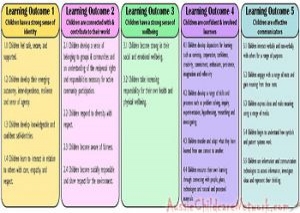 Here is the list of the EYLF Learning Outcomes that you can use as a guide or reference for your documentation and planning. The EYLF… Read More
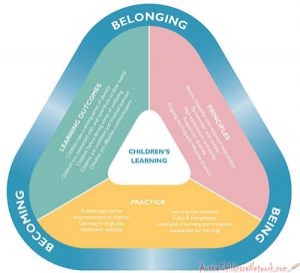 The EYLF is a guide which consists of Principles, Practices and 5 main Learning Outcomes along with each of their sub outcomes, based on identity,… Read More
 This is a guide on How to Write a Learning Story. It provides information on What Is A Learning Story, Writing A Learning Story, Sample… Read More
 One of the most important types of documentation methods that educators needs to be familiar with are “observations”. Observations are crucial for all early childhood… Read More
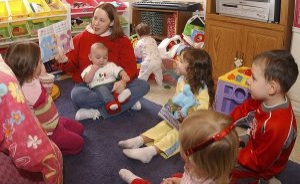 To support children achieve learning outcomes from the EYLF Framework, the following list gives educators examples of how to promote children's learning in each individual… Read More
 Reflective practice is learning from everyday situations and issues and concerns that arise which form part of our daily routine while working in an early… Read More
 When observing children, it's important that we use a range of different observation methods from running records, learning stories to photographs and work samples. Using… Read More
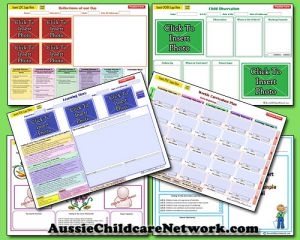 Within Australia, Programming and Planning is reflected and supported by the Early Years Learning Framework. Educators within early childhood settings, use the EYLF to guide… Read More
 This is a guide for educators on what to observe under each sub learning outcome from the EYLF Framework, when a child is engaged in… Read More
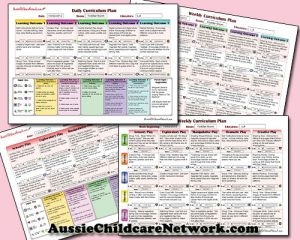 The Early Years Learning Framework describes the curriculum as “all the interactions, experiences, activities, routines and events, planned and unplanned, that occur in an environment… Read More

Children of all ages face problems; while a three-year-old may be struggling to button up...
See more...
These critical reflection questions invite educators to look beneath the surface. To interrogate not just...
See more...
Recent headlines have sounded alarms about the sharp rise in “serious incidents” reported in Australian...
See more...