


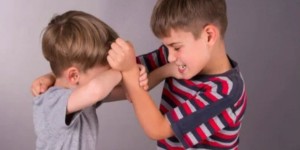
Aggression is a type of behaviour that is triggered by the intention of causing harm to another person who wishes to avoid that harm. Violence is an extreme subtype of aggression, a physical behaviour with the intention of permanently injuring another person. The following article will provide information on What Is Aggressive Behaviour, Prevention Strategies, Intervention Strategies and more.
The Healthy Harold preschool program supports children’s learning and development to live a safe and healthy life. The play-based incursion is fun, interactive and designed to help build healthy, safe and mentally resilient little people. The program is suitable for children aged 3-5 years.
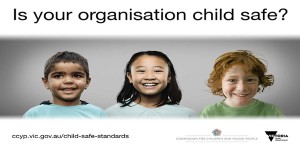
From 01 July, new Child Safe Standards commenced to better protect children and to provide more clarity for organisations. The eleven new Standards have replaced Victoria’s seven standards and principles.

In the last five years, at least 68 children have been left on buses in Australia, a rate of more than once per month.
In NSW, nominated supervisors and persons in day-to-day charge must complete a child protection course required by a Government protocol applying to the approved provider in accordance with section 162A of the Children (Education and Care Services) National Law. In-house training is not sufficient.

It has been reported that earlier this week, a two-year-old girl has been found to roam around alone outside her childcare centre in Melbourne’s west. The toddler managed to escape her centre allegedly through an unlocked door.
The Child Safe Standards recommended by the Royal Commission provide a framework for making organisations safer for children. They have been accepted by the NSW government. Based on extensive research and consultation, the Standards provide tangible guidance for organisations to create cultures, adopt strategies and act to put the interests of children first, to keep them safe from harm.
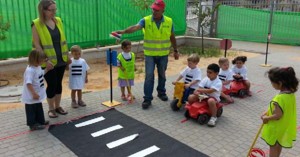
One of the most important concepts we can introduce to children is road safety. Road safety awareness can help to reduce the risk of serious injury among young children by assisting them to develop skills, knowledge and behaviour about the safe use of roads. The following article provides information on Road Safety Skills For Children, Teaching Children About Road Safety Rules, Fun Road Safety Experiences For Children, Road Safety Songs and Rhymes and more.
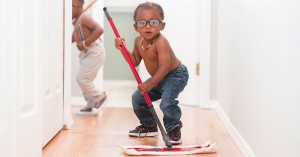
The aim of environmental cleaning is to minimise the number of germs to reduce the spread of infection, that survive on surfaces in the education and care service.
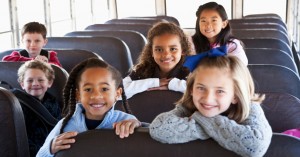
Due to the unfortunate incidents of young children being left on buses which tragically resulted in the death of a 3-year-old boy, approved providers are encouraged to review their policies and procedures to ensure the safe transportation of children during excursions, drop off and pickups.
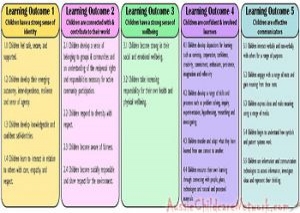 Here is the list of the EYLF Learning Outcomes that you can use as a guide or reference for your documentation and planning. The EYLF… Read More
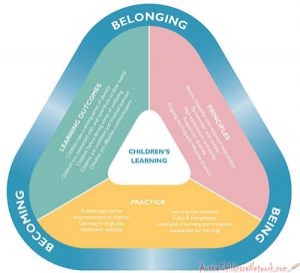 The EYLF is a guide which consists of Principles, Practices and 5 main Learning Outcomes along with each of their sub outcomes, based on identity,… Read More
 This is a guide on How to Write a Learning Story. It provides information on What Is A Learning Story, Writing A Learning Story, Sample… Read More
 One of the most important types of documentation methods that educators needs to be familiar with are “observations”. Observations are crucial for all early childhood… Read More
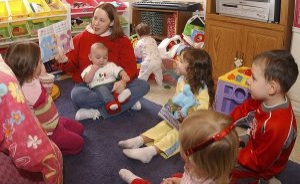 To support children achieve learning outcomes from the EYLF Framework, the following list gives educators examples of how to promote children's learning in each individual… Read More
 Reflective practice is learning from everyday situations and issues and concerns that arise which form part of our daily routine while working in an early… Read More
 When observing children, it's important that we use a range of different observation methods from running records, learning stories to photographs and work samples. Using… Read More
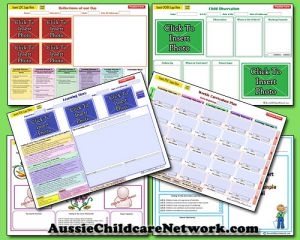 Within Australia, Programming and Planning is reflected and supported by the Early Years Learning Framework. Educators within early childhood settings, use the EYLF to guide… Read More
 This is a guide for educators on what to observe under each sub learning outcome from the EYLF Framework, when a child is engaged in… Read More
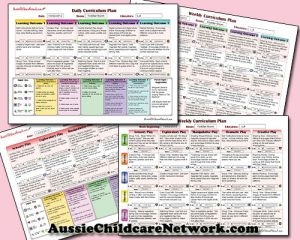 The Early Years Learning Framework describes the curriculum as “all the interactions, experiences, activities, routines and events, planned and unplanned, that occur in an environment… Read More

The following is a directory for NSW early learning services that can access a variety...
See more...
Setting individual goals for children is a cornerstone of quality early childhood practice. Goals help...
See more...
The Education and Care Services National Law and National Regulations prescribe requirements for children participating...
See more...