


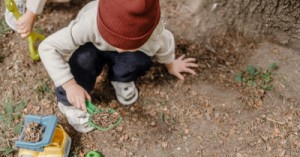
Designing outdoor spaces for little ones is about balancing safety, sensory exploration, and opportunities for growth. Babies and toddlers thrive in environments that invite curiosity while supporting their developmental milestones. Below are practical, creative ideas to guide your setup.
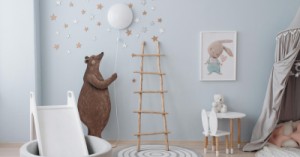
Designing a nursery room for infants and toddlers (0–2 years) requires more than just arranging furniture; it’s about creating a safe, nurturing, and developmentally rich environment that aligns with the NQS and the EYLF. At this age, children are forming their earliest attachments, exploring the world through their senses, and developing foundational skills for movement, communication, and social interaction.

Separation anxiety is a normal developmental stage that often begins around 6–12 months of age. For educators, understanding and responding to this stage with empathy and practical strategies can make a significant difference in supporting both children and families.

The start of a new year in the babies’ room is more than a calendar change; it’s a chance to reset, renew, and reimagine the environment where our youngest learners begin their journey. Creating a space that nurtures belonging, safety, and joyful exploration sets the tone for the months ahead.

The Child Safe Standards provide a framework to ensure that every child in early childhood education is protected, respected, and empowered. These standards are not just compliance requirements; they are everyday practices that safeguard children’s well-being while fostering environments where they can thrive.
For educators, translating these standards into age‑appropriate strategies is essential. Babies, toddlers, and preschoolers each experience safety differently, and educators must adapt their approaches to meet developmental needs. This guide offers practical checklists and examples to help educators embed child safety into daily routines, interactions, and learning experiences.
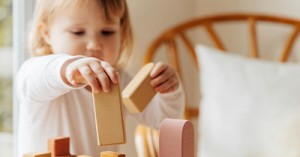
Open-ended play activities are all about freedom, exploration, and creativity—especially powerful in early childhood settings where babies and toddlers are discovering the world through their senses and movement. Here’s a rich collection of examples tailored for babies (0–18 months), with variations to suit different developmental stages and settings.

Celebrating NAIDOC Week with babies aged 0–12 months is a beautiful opportunity to introduce them to the richness of Aboriginal and Torres Strait Islander cultures through sensory, visual, and rhythmic experiences. Here are some gentle, age-appropriate ideas tailored for your littlest learners.
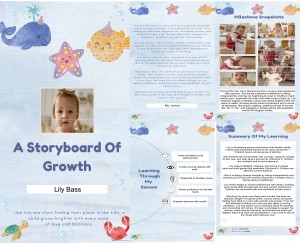
This template can be used as a summative assessment for babies.

Creating a stimulating and safe environment for babies is essential for their development. Babies thrive on exploration, and the right toys can help them develop essential skills while keeping them engaged. The following article provides a list of toys and activities that stimulate a baby’s senses and encourage development.
A Curiosity Approach environment fosters exploration, creativity, and sensory-rich experiences, making learning feel natural and engaging. Here are some additional ideas to enhance your nursery room setup.
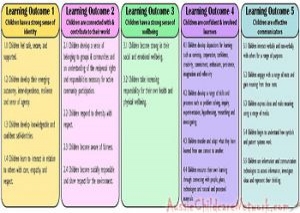 Here is the list of the EYLF Learning Outcomes that you can use as a guide or reference for your documentation and planning. The EYLF… Read More
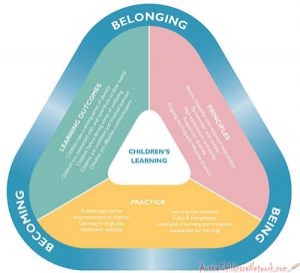 The EYLF is a guide which consists of Principles, Practices and 5 main Learning Outcomes along with each of their sub outcomes, based on identity,… Read More
 This is a guide on How to Write a Learning Story. It provides information on What Is A Learning Story, Writing A Learning Story, Sample… Read More
 One of the most important types of documentation methods that educators needs to be familiar with are “observations”. Observations are crucial for all early childhood… Read More
 To support children achieve learning outcomes from the EYLF Framework, the following list gives educators examples of how to promote children's learning in each individual… Read More
 Reflective practice is learning from everyday situations and issues and concerns that arise which form part of our daily routine while working in an early… Read More
 When observing children, it's important that we use a range of different observation methods from running records, learning stories to photographs and work samples. Using… Read More
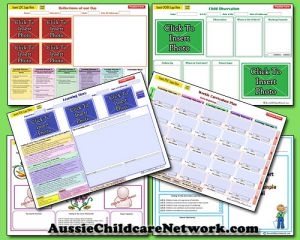 Within Australia, Programming and Planning is reflected and supported by the Early Years Learning Framework. Educators within early childhood settings, use the EYLF to guide… Read More
 This is a guide for educators on what to observe under each sub learning outcome from the EYLF Framework, when a child is engaged in… Read More
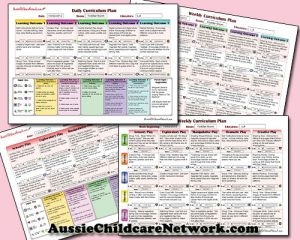 The Early Years Learning Framework describes the curriculum as “all the interactions, experiences, activities, routines and events, planned and unplanned, that occur in an environment… Read More

Penguin Awareness Day is celebrated on January 20th each year. The following article provides information...
See more...
By creating an inclusive and supportive environment for children, families and educators by recognising and...
See more...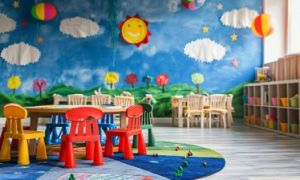
The following is a cheat sheet for Quality Area 3: Physical Environment. This quality area...
See more...