


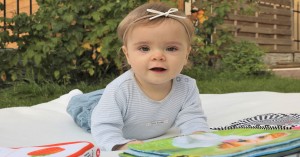
From the earliest months of life, babies thrive when given opportunities to experience the outdoors. Nature is not just a backdrop for play—it is a living classroom that nurtures physical strength, sensory exploration, emotional growth, and a deep sense of connection to the world. Outdoor play allows babies to move freely, discover textures, sounds, and sights, and begin forming bonds with their environment and the people around them.
For educators and families, planning outdoor play is about more than simply “taking babies outside.” It involves creating safe, stimulating spaces where babies can grasp, crawl, listen, and wonder. By offering open-ended materials, natural objects, and opportunities for social interaction, adults can scaffold experiences that support babies’ holistic development.
This guide explores outdoor play through the lens of Belonging, Being and Becoming—three dimensions that highlight how babies grow physically, emotionally, and socially in nature. Alongside practical strategies and safety considerations, it provides inspiration for educators and caregivers to design meaningful outdoor experiences that foster joy, resilience, and a lifelong respect for the environment.
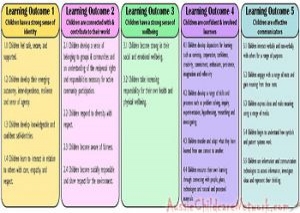 Here is the list of the EYLF Learning Outcomes that you can use as a guide or reference for your documentation and planning. The EYLF… Read More
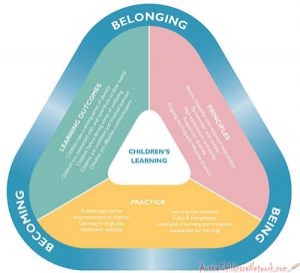 The EYLF is a guide which consists of Principles, Practices and 5 main Learning Outcomes along with each of their sub outcomes, based on identity,… Read More
 This is a guide on How to Write a Learning Story. It provides information on What Is A Learning Story, Writing A Learning Story, Sample… Read More
 One of the most important types of documentation methods that educators needs to be familiar with are “observations”. Observations are crucial for all early childhood… Read More
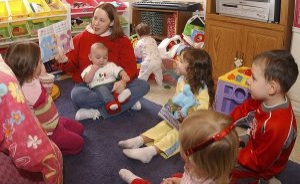 To support children achieve learning outcomes from the EYLF Framework, the following list gives educators examples of how to promote children's learning in each individual… Read More
 Reflective practice is learning from everyday situations and issues and concerns that arise which form part of our daily routine while working in an early… Read More
 When observing children, it's important that we use a range of different observation methods from running records, learning stories to photographs and work samples. Using… Read More
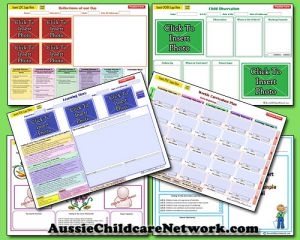 Within Australia, Programming and Planning is reflected and supported by the Early Years Learning Framework. Educators within early childhood settings, use the EYLF to guide… Read More
 This is a guide for educators on what to observe under each sub learning outcome from the EYLF Framework, when a child is engaged in… Read More
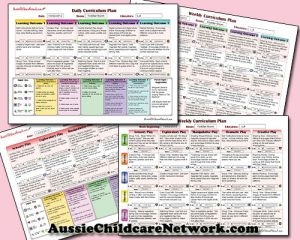 The Early Years Learning Framework describes the curriculum as “all the interactions, experiences, activities, routines and events, planned and unplanned, that occur in an environment… Read More
In NSW, nominated supervisors and persons in day-to-day charge must complete a child protection course...
See more...
The Quality Areas are central to the National Quality Standard (NQS), which promotes high-quality outcomes...
See more...
Aboriginal and Torres Strait Islander people cultures are valued and significant in Australia and it's...
See more...