Capturing children’s voices is more than a compliance requirement; it’s about honouring their perspectives, embedding agency into curriculum, and strengthening partnerships with families. Here are practical strategies educators can use:
Everyday Conversations
- Quote directly: Record children’s words during play or group discussions, then add them to learning stories or displays.
- Use audio snippets: Short recordings (with consent) can be transcribed into journals or portfolios.
- Annotate drawings: Write children’s explanations alongside their artwork to preserve meaning.
Learning Stories & Journals
- Narrative documentation: Frame observations as stories, weaving in children’s words to highlight their thinking.
- Reflective prompts: Ask children, “What did you enjoy?” or “What should we do next?” and embed their responses.
- Peer voices: Capture group dialogue to show collaboration and social learning.
Visual Displays
- Photo panels: Pair images of children at play with their quotes, making their voices visible to families.
- Voice walls: Create themed boards (e.g., “Our ideas about rainbows”) where children’s words are displayed collectively.
- Digital portfolios: Platforms like Storypark or Xap allow children’s voices to be embedded alongside educator reflections.
Templates & Tools
- Voice bubbles: Add speech bubbles to photos or drawings with children’s exact words.
- Checklists for educators: Include prompts like “Did I capture the child’s perspective?” in observation templates.
- Symbols & icons: Use child-friendly visuals (stars, animals, emojis) to highlight their contributions.
Family & Community Links
- Shared documentation: Invite families to add children’s words from home into journals or portfolios.
- Celebration boards: Display children’s voices during cultural events or festivals, linking home and center experiences.
- Feedback loops: Share documentation with families and ask how children responded when revisiting their words.
Documenting children’s voices is about visibility and respect. Whether through quotes, drawings, or collaborative displays, the goal is to make children’s perspectives central to curriculum and sector practice.
Further Reading
Capturing Children's Voices In Early Childhood Settings
Gathering Children's Voices For The Program




 The Children’s Services Award introduces a streamlined classification system and updated pay rates designed to better recognise the skills, qualifications, and responsibilities of early childhood
 The Children’s Services Award has 8 clear levels. These levels make it easier to understand where you fit, based on your experience, qualifications, and responsibilities.
 When working as a qualified early childhood teacher (with a university degree) within a service, your rate of pay will come from the Educational Services
 Diploma-qualified educators play a vital role in early childhood services, taking on responsibilities that range from supporting children’s learning and development to leading rooms and
 Certificate III qualified educators form the backbone of early childhood services, providing essential care and learning support for children across all settings. Their wages under
 Early Childhood Teachers (ECTs) play a vital role in leading curriculum and pedagogy in early learning settings. Regulation 272 of the Education and Care Services
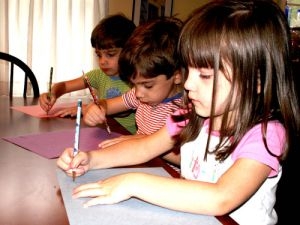 Discover how school readiness programs support children’s independence, confidence, and skills for a successful transition into primary school.
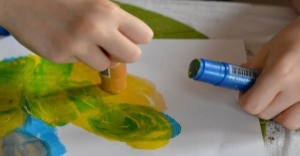 Floorbook is a documentation approach that uses a large book with blank pages for children to record different aspects of their learning in small groups
 When an Educator is not performing their tasks or responsibilities at best practice, these issues need to be addressed for the Educator to understand where
 Educators can maximise tax deductions by claiming classroom supplies, training, union fees, and home office costs this financial year.