Educators often wonder whether the number of days a child attends care should influence how many observations they complete. Some services believe that children attending 4–5 days a week require more documentation, while others maintain that quality matters more than quantity. This Q&A explores what the regulations actually require, how the exceeding services approach documentation, and practical strategies for balancing the planning cycle with meaningful practice.
A: What The Regulations Actually Say
- National Regulations do not prescribe a set number of observations per child.
- The requirement is that services must have a program based on each child’s learning needs, interests, and developmental stage.
- Evidence of the planning cycle (observe → plan → implement → reflect) must be visible, but the frequency is not mandated.
What Exceeding Services Do
- Consistency over quantity – They show how each child’s voice and learning is captured regularly, not just through formal stories.
- Balance of documentation – One learning story per month is common, supported by spontaneous jottings, photos, and group reflections.
- Extension of learning – The key is demonstrating how observations lead to intentional planning and follow‑up experiences.
- Critical reflection – Teams discuss whether documentation is meaningful, not just frequent.
Practical Advice
- Quality over quantity – A child attending more days doesn’t automatically require more observations. What matters is showing their learning journey is captured and extended.
- Use group documentation – Jottings, photos, and group learning stories can cover multiple children at once.
- Link to EYLF outcomes – Demonstrate how each observation connects to developmental outcomes.
- Family input – Include parent feedback to strengthen evidence of collaboration.
There is no regulation requiring more observations for children attending 3+ days. What assessors look for is a clear, consistent planning cycle that shows how each child’s learning is observed, planned for, and extended.
Further Reading
Observations in Childcare
Different Types Of Observation Methods
Q: What Is A Narrative Observation
Q: How Do I Come Up With Extension Ideas During Observations
Q: Do All Observations and Learning Stories Require A Follow Up
Simplified Observation & Planning Cycles
Q: How Do I Write An Observation?
Step-by-Step Guide to Writing an Observation



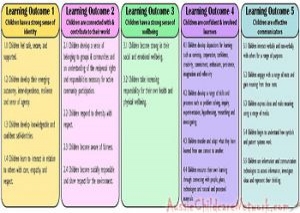 Here is the list of the EYLF Learning Outcomes that you can use as a guide or reference for your documentation and planning. The EYLF
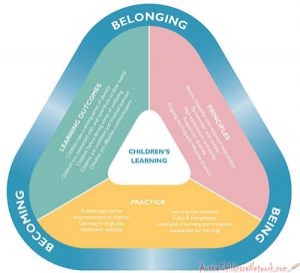 The EYLF is a guide which consists of Principles, Practices and 5 main Learning Outcomes along with each of their sub outcomes, based on identity,
 This is a guide on How to Write a Learning Story. It provides information on What Is A Learning Story, Writing A Learning Story, Sample
 One of the most important types of documentation methods that educators needs to be familiar with are “observations”. Observations are crucial for all early childhood
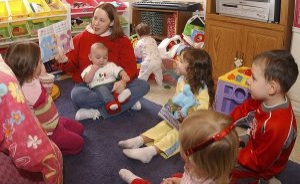 To support children achieve learning outcomes from the EYLF Framework, the following list gives educators examples of how to promote children's learning in each individual
 Reflective practice is learning from everyday situations and issues and concerns that arise which form part of our daily routine while working in an early
 When observing children, it's important that we use a range of different observation methods from running records, learning stories to photographs and work samples. Using
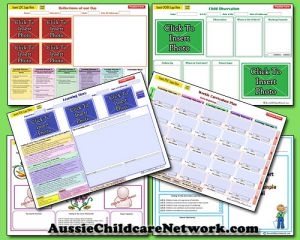 Within Australia, Programming and Planning is reflected and supported by the Early Years Learning Framework. Educators within early childhood settings, use the EYLF to guide
 This is a guide for educators on what to observe under each sub learning outcome from the EYLF Framework, when a child is engaged in
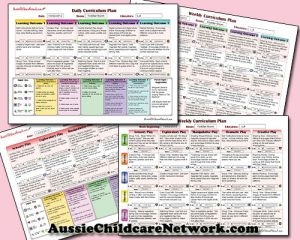 The Early Years Learning Framework describes the curriculum as “all the interactions, experiences, activities, routines and events, planned and unplanned, that occur in an environment