National Children’s Week (18th - 26th October) is more than a calendar event—it’s a call to action. A reminder to pause, reflect, and truly listen to the voices of children. In early childhood settings, where play, learning, and relationships intertwine, this week offers a powerful opportunity to centre children’s rights, celebrate their contributions, and elevate their lived experiences.
Children speak in many languages—through art, movement, storytelling, and silence. Associate Professor Kathy Cologon’s research reminds us that when we centre children’s voices, we uncover profound truths. Her reflection for Children’s Week highlights a simple yet powerful message:
“Difference is not a deficit.”
Through creative expression and conversation, children reveal what it means to belong, to be seen, and to be valued. They speak of inclusion not as a checkbox, but as a feeling — of being welcomed, respected, and understood.
Children’s Week invites us to shift from adult-led assumptions to child-led insights. When we listen deeply, we learn:
- Inclusion is relational: It’s built through trust, empathy, and shared joy.
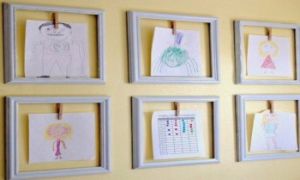
- Belonging is emotional: It’s felt in the warmth of a greeting, the safety of a routine, the pride of a displayed artwork.
- Diversity is strength: Children thrive when their identities are affirmed, their cultures celebrated, and their differences embraced.
Practical Ways to Celebrate
Here are some sector-ready ideas to embed Children’s Week meaningfully into your programming:
Co-Create a “Voices of Belonging” Wall
Invite children to share drawings, photos, or voice bubble cards that express what makes them feel included. Display these as a living mural of identity and pride.
Host a “Difference Is Strength” Story Circle
Use puppets, props, or symbolic objects to explore stories of diversity, resilience, and kindness. Let children lead the narrative.
Reflective Journaling for Educators
Encourage staff to document moments when children’s voices shifted their perspective. Use these reflections to inform future planning and practice.
Family Connection Kits
Send home mini kits with art materials and prompts like “What makes our family unique?” Invite families to contribute to your centre’s celebration wall.
From Celebration to Commitment
Children’s Week is not just about events—it’s about ethos. It challenges us to:
- Embed voice into documentation: Use child-led observations, quotes, and symbolic motifs.
- Design emotionally intelligent environments: Spaces that reflect children’s identities and foster safety.
- Advocate for systemic inclusion: In policy, practice, and pedagogy.
Let this week be a catalyst—not just for celebration, but for transformation.
Further Reading
Supporting Children's Sense Of Agency
Capturing Children's Voices In Early Childhood Settings
Gathering Children's Voices For The Program
Let the Children Speak: Why Their Words Matter More Than Ours
Children's Agency




 The Children’s Services Award introduces a streamlined classification system and updated pay rates designed to better recognise the skills, qualifications, and responsibilities of early childhood
 The Children’s Services Award has 8 clear levels. These levels make it easier to understand where you fit, based on your experience, qualifications, and responsibilities.
 When working as a qualified early childhood teacher (with a university degree) within a service, your rate of pay will come from the Educational Services
 Diploma-qualified educators play a vital role in early childhood services, taking on responsibilities that range from supporting children’s learning and development to leading rooms and
 Certificate III qualified educators form the backbone of early childhood services, providing essential care and learning support for children across all settings. Their wages under
 Early Childhood Teachers (ECTs) play a vital role in leading curriculum and pedagogy in early learning settings. Regulation 272 of the Education and Care Services
 Discover how school readiness programs support children’s independence, confidence, and skills for a successful transition into primary school.
 When an Educator is not performing their tasks or responsibilities at best practice, these issues need to be addressed for the Educator to understand where
 Educators can maximise tax deductions by claiming classroom supplies, training, union fees, and home office costs this financial year.
 A staff appraisal is a formal, systematic process of determining and reviewing the performance of early childhood educators over a period of time, usually a