


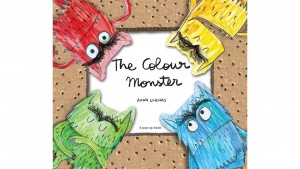
The Colour Monster helps children explore emotions with colours, building empathy and self‑regulation.
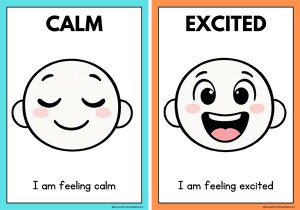
This resource includes eight colourful playdough mats designed to support early emotional literacy through hands‑on play. Each mat features a simple outline face and bold emotion word, inviting children to shape the expression with playdough.

Explore six emotion faces made from grass, leaves, and twigs. A creative nature art set for early childhood emotional learning.

Explore creative photo ideas for teaching emotions in early childhood. Practical strategies, challenges, and wellbeing through play.

Every educator has witnessed it: a child overwhelmed by emotions so big they spill into the learning space. These moments can feel disruptive, but they are also opportunities. When children learn to regulate emotions with the support of trusted adults, they build resilience, empathy, and lifelong skills for navigating challenges.
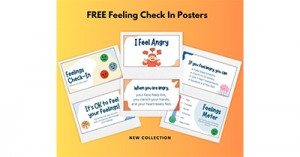
In early childhood settings, emotional literacy is foundational to well-being, learning, and relationships. The free printable Feeling Check-In posters featuring clear visuals, child-friendly language, and actionable strategies offer educators a powerful way to support children in identifying, expressing, and managing their emotions. Whether used during transitions, check-ins, or moments of dysregulation, these posters help embed emotional intelligence into daily practice.

Feelings Check In Posters are powerful tools for fostering emotional literacy and self-awareness in early childhood settings. Designed with vibrant visuals and child-friendly language, they help children identify, name, and express a wide range of emotions—from anger and frustration to calm and excitement. Each poster offers simple, actionable strategies for regulation, such as deep breathing, asking for help, or using “I feel” statements, making them ideal for trauma-informed and emotionally intelligent practice. Educators can use them during morning check-ins, transitions, or moments of dysregulation to support children in building emotional vocabulary and resilience. Whether displayed on classroom walls, embedded in documentation kits, or used in small-group discussions, these posters promote a culture of empathy, safety, and connection—aligning beautifully with EYLF wellbeing outcomes and sector-wide goals for inclusive, responsive care.

In early childhood education, some of the most powerful interventions don’t come from elaborate programs or expensive resources. They come from the quiet, intentional words educators choose in moments of emotional intensity. When a child’s body is flooded with frustration, fear, or sadness, it’s not logic they need; it’s presence. And that presence often begins with a few carefully chosen words. This article explores how emotionally intelligent language, gentle presence, and intentional silence can transform a child’s experience of safety, identity, and belonging.

Tantrums can be intense, unpredictable, and emotionally draining for both children and adults. But beneath the noise and tears lies something deeper: a child overwhelmed by emotion, struggling to communicate what they feel. In early childhood education and care, how we respond to these moments shapes not just behavior but also emotional literacy, trust, and long-term well-being.

In the rhythm of early childhood, emotional storms are natural. Toddlers and preschoolers are still learning to navigate big feelings, and their expressions, whether tears, tantrums, or withdrawal, are often calls for connection, not correction. As educators, our role is to be the calm in their chaos, offering warmth, understanding, and safe spaces to feel. The following article explores emotionally intelligent strategies that educators can implement to support children during moments of overwhelm, with examples.
 The Children’s Services Award introduces a streamlined classification system and updated pay rates designed to better recognise the skills, qualifications, and responsibilities of early childhood… Read More
 The Children’s Services Award has 8 clear levels. These levels make it easier to understand where you fit, based on your experience, qualifications, and responsibilities.… Read More
 When working as a qualified early childhood teacher (with a university degree) within a service, your rate of pay will come from the Educational Services… Read More
 Diploma-qualified educators play a vital role in early childhood services, taking on responsibilities that range from supporting children’s learning and development to leading rooms and… Read More
 Certificate III qualified educators form the backbone of early childhood services, providing essential care and learning support for children across all settings. Their wages under… Read More
 Early Childhood Teachers (ECTs) play a vital role in leading curriculum and pedagogy in early learning settings. Regulation 272 of the Education and Care Services… Read More
 Discover how school readiness programs support children’s independence, confidence, and skills for a successful transition into primary school.
Read More
 When an Educator is not performing their tasks or responsibilities at best practice, these issues need to be addressed for the Educator to understand where… Read More
 Educators can maximise tax deductions by claiming classroom supplies, training, union fees, and home office costs this financial year.
Read More
 A staff appraisal is a formal, systematic process of determining and reviewing the performance of early childhood educators over a period of time, usually a… Read More
In late 2024, the Australian Government announced a 15% wage increase for early childhood educators. The...
See more...
For OOSH (Out of School Hours) children, Reconciliation Week topics should focus on identity, respect...
See more...
Quality Area Cheat Sheets 1–7: Simplify NQS standards with clear guides for educators and services.
See more...