
Protected disclosures in NSW childcare safeguard educators, uphold integrity, and strengthen trust in early education services.
Protected disclosures are a vital safeguard in early childhood services. They ensure educators, staff, and families can raise concerns about wrongdoing without fear of reprisal. The NSW Protected Disclosures Act 2022 and the Model Policy require approved providers to adopt clear procedures, train staff, and protect whistleblowers.
What Educators Need to Know
Purpose of the Policy
The purpose of the policy is to create a safe and transparent environment where concerns can be raised confidently. For educators, this means knowing that child safety and integrity are always prioritised.
-
Ensures child safety, health, and wellbeing remain the highest priority.
-
Encourages reporting of misconduct, unsafe practices, or breaches of the law.
-
Builds a culture of integrity and accountability in early childhood services.
Who It Applies To
This policy applies broadly, not just to educators. It covers anyone connected to the service, ensuring that all voices, from staff to families, are protected when raising concerns.
-
Current and former employees.
-
Volunteers, contractors, subcontractors, and consultants.
-
Work experience students.
-
Parents and carers engaged with the service.
What Counts as a Protected Disclosure
Protected disclosures are reports of serious wrongdoing. For educators, this means issues that directly affect child safety, compliance, or ethical conduct.
-
Unsafe practices that endanger children.
-
Breaches of child protection requirements.
-
Illegal activity or misconduct.
-
Inappropriate discipline or conduct towards children.
-
Retaliation against someone who reported wrongdoing.
What Does Not Count
It’s important to distinguish between protected disclosures and everyday workplace issues. This ensures the right processes are used for each type of concern.
-
Personal employment grievances (e.g., pay disputes, promotions).
-
Interpersonal conflicts between staff.
-
Performance management issues unrelated to child safety or legal breaches.
Reporting Process
The reporting process provides clear pathways for educators to raise concerns. Reports can be made internally or externally, and anonymity is respected.
-
Reports can be made internally to the service manager or provider.
-
Reports can also be made directly to the NSW Early Learning Commission:
-
Phone: 1800 619 113
-
Email: information@earlylearningcommission.nsw.gov.au
-
-
Reports may be made anonymously, and protections still apply.
-
Reports must be made honestly and on reasonable grounds to qualify for protections.
Protections for Educators
Educators are legally protected when making disclosures. This section reassures staff that they will not face retaliation for raising legitimate concerns.
-
Protection from detrimental action (e.g., bullying, harassment, dismissal).
-
Confidentiality of the reporter’s identity.
-
Immunity from civil and criminal liability when disclosing in good faith.
-
Right to seek damages or injunctions if harmed by reprisal.
-
Criminal penalties apply to anyone taking detrimental action against a reporter.
Example in Practice
Imagine an educator notices unsafe food handling practices by a colleague. Concerned for children’s health, they report it under the protected disclosures policy. Their identity is kept confidential, they are protected from retaliation, and the centre investigates and reports to the NSW Ombudsman. The issue is resolved, children are kept safe, and the educator feels supported.
Training Requirements
Training ensures educators understand the policy and feel confident using it.
-
Mandatory awareness: Educators must know what disclosures are and how to report them.
-
Policy familiarisation: Centres must introduce staff to their Protected Disclosures Policy.
-
Risk management: Training covers how services protect staff from retaliation.
-
Ongoing updates: Centres should refresh training regularly.
Online Training Options
Educators don’t need to wait for face-to-face workshops — online training is available.
-
NSW Government PID Training: Free modules via Comperio, covering how to identify and report serious wrongdoing.
To access free training:Public Interest Disclosures Online Modules
Why This Matters for Educators
Protected disclosures strengthen the culture of safety and accountability in early childhood education. They empower educators to speak up, protect children, and ensure services meet compliance standards.
-
Encourages a speak-up culture where safety concerns are addressed early.
-
Protects educators from retaliation when raising legitimate concerns.
-
Aligns with other policies (e.g., code of conduct, grievance handling).
-
Reinforces the sector’s commitment to child protection and compliance.




 The Children’s Services Award introduces a streamlined classification system and updated pay rates designed to better recognise the skills, qualifications, and responsibilities of early childhood
 The Children’s Services Award has 8 clear levels. These levels make it easier to understand where you fit, based on your experience, qualifications, and responsibilities.
 When working as a qualified early childhood teacher (with a university degree) within a service, your rate of pay will come from the Educational Services
 Diploma-qualified educators play a vital role in early childhood services, taking on responsibilities that range from supporting children’s learning and development to leading rooms and
 Certificate III qualified educators form the backbone of early childhood services, providing essential care and learning support for children across all settings. Their wages under
 Early Childhood Teachers (ECTs) play a vital role in leading curriculum and pedagogy in early learning settings. Regulation 272 of the Education and Care Services
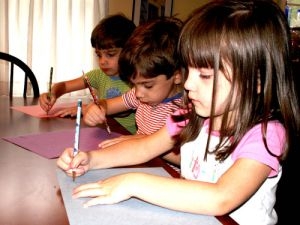 Discover how school readiness programs support children’s independence, confidence, and skills for a successful transition into primary school.
 When an Educator is not performing their tasks or responsibilities at best practice, these issues need to be addressed for the Educator to understand where
 Educators can maximise tax deductions by claiming classroom supplies, training, union fees, and home office costs this financial year.
 A staff appraisal is a formal, systematic process of determining and reviewing the performance of early childhood educators over a period of time, usually a