
Embed protective education in early childhood: teach body autonomy, consent, and trusted adults through play, routines, and stories.
Protective education is not a one-off lesson; it is a continuous thread woven into daily interactions, routines, and play. For early childhood educators, embedding concepts like body autonomy, consent, and identifying trusted adults helps children build resilience, confidence, and safety awareness from their earliest years.
Why Protective Education Matters
- Body autonomy empowers children to understand that their bodies belong to them.
- Consent teaches children that they have the right to say “yes” or “no” to touch, play, or sharing.
- Trusted adults help children know who they can turn to when they feel unsafe or unsure.
Embedding these principles early supports children’s social-emotional development and aligns with the National Quality Standard (QA5: Relationships with Children).
Everyday Strategies for Educators
- Storytelling: Use picture books and role-play stories where characters practise saying "no", seek help, or celebrate personal boundaries.
- Play-based learning: Incorporate dolls, puppets, or dramatic play scenarios to model safe and respectful interactions.
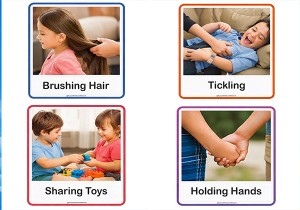
- Routine reinforcement: Embed language like “Would you like a hug or a high-five?” during transitions to normalise choice and consent.
- Circle time discussions: Talk about feelings, safe vs. unsafe secrets, and who children can trust.
Visual cues: Display posters or charts showing trusted adults and safe choices in the classroom.
Practical Examples
- Consent in Play: Before starting a game of chase, ask, “Is everyone happy to play?” and model respecting a child’s "no".
- Body Autonomy in Care Routines: During nappy changes or toileting, explain what you are doing and seek the child’s cooperation.
- Trusted Adults in Stories: Share narratives where characters seek help from teachers, parents, or community helpers when they feel unsafe.
- Choice in Greetings: Offer children options like a wave, fist bump, or verbal hello instead of assuming physical contact. This reinforces consent and autonomy.
- Safe Secrets vs Unsafe Secrets: Use puppets or role-play to show the difference: a “safe secret” might be a surprise party, while an “unsafe secret” is something that makes a child feel worried or uncomfortable.
- Feelings Check-in: Use emotion cards during circle time to help children express when they feel safe, worried, or uncomfortable — linking feelings to protective strategies.
- Consent in Sharing Resources: When children want to borrow toys, model asking, "Can I use this?” and respecting the answer.
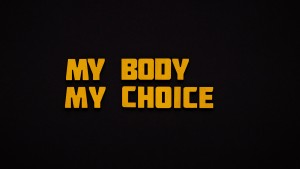
- Visual Reminders: Display posters with simple messages like “My body belongs to me” or “I can say no” to reinforce autonomy daily.
Protective education is not an “extra” but a vital part of everyday practice. By embedding body autonomy, consent, and trusted adult awareness into play, routines, and stories, educators empower children to grow with confidence, resilience, and safety.
Further Reading
How To Talk To Young Children About Child Protection
Child Protection Activities For Preschoolers
Teaching Consent to Toddlers and Preschoolers
Simple Songs About Consent For Children


 The Children’s Services Award introduces a streamlined classification system and updated pay rates designed to better recognise the skills, qualifications, and responsibilities of early childhood
 The Children’s Services Award has 8 clear levels. These levels make it easier to understand where you fit, based on your experience, qualifications, and responsibilities.
 When working as a qualified early childhood teacher (with a university degree) within a service, your rate of pay will come from the Educational Services
 Diploma-qualified educators play a vital role in early childhood services, taking on responsibilities that range from supporting children’s learning and development to leading rooms and
 Certificate III qualified educators form the backbone of early childhood services, providing essential care and learning support for children across all settings. Their wages under
 Early Childhood Teachers (ECTs) play a vital role in leading curriculum and pedagogy in early learning settings. Regulation 272 of the Education and Care Services
 Discover how school readiness programs support children’s independence, confidence, and skills for a successful transition into primary school.
 When an Educator is not performing their tasks or responsibilities at best practice, these issues need to be addressed for the Educator to understand where
 Educators can maximise tax deductions by claiming classroom supplies, training, union fees, and home office costs this financial year.
 A staff appraisal is a formal, systematic process of determining and reviewing the performance of early childhood educators over a period of time, usually a