Calendars are not just tools for marking days—they are cultural narratives that shape identity, belonging, and worldview. In early childhood education, respecting diverse calendars means recognizing that families may follow the Gregorian calendar but also lunar cycles, seasonal markers, or religious observances. For children, seeing their traditions acknowledged validates their identity and builds emotional safety. For educators, embedding diverse calendars into practice enriches curriculum, strengthens family partnerships, and aligns with the NQS focus on cultural competence and inclusion.
Why Diverse Calendars Matter
- Affirming identity: Children thrive when their cultural traditions are visible in the learning environment.
- Building empathy: Exposure to multiple ways of marking time fosters curiosity and respect for difference.
- Curriculum enrichment: Festivals and observances provide authentic contexts for literacy, numeracy, and inquiry.
- Policy alignment: Embedding diverse calendars supports Quality Area 1 (Educational Program and Practice) and Quality Area 6 (Collaborative Partnerships with Families and Communities).
Reflective prompt: How does your service currently acknowledge cultural observances beyond mainstream holidays?
Practical Examples for Educators
- Inclusive Calendar Wall: Display multiple cultural calendars side by side. Invite families to add significant dates, creating a living resource that evolves with the community.
- Family Storytelling: Host “calendar conversations” where families share how they mark special days, seasons, or rituals.
- Seasonal Play and Learning: Align sensory play and inquiry projects with traditions—Diwali lanterns, Ramadan crescent moons, First Nations seasonal cycles.
- Creative Arts Integration: Encourage children to design symbols or artworks representing their family’s special days.
- Reflective Journaling: Document children’s responses to diverse traditions, using observations to scaffold respectful dialogue and curriculum planning.
- Digital Engagement: Use apps or digital calendars to highlight observances, ensuring accessibility for families who may not visit the service daily.
Reflective prompt: Which of these practices could you embed immediately, and how might you adapt them to your community’s needs?
Linking to EYLF Outcomes
- Outcome 1 – Identity: Children develop a strong sense of self when their cultural calendar is visible.
- Outcome 2 – Community: Celebrations encourage participation and connection across cultures.
- Outcome 3 – Wellbeing: Emotional safety grows when traditions are respected.
- Outcome 4 – Learning: Observances become springboards for literacy, numeracy, and inquiry.
- Outcome 5 – Communication: Children learn to express traditions through language, art, and play.
Reflective prompt: Which EYLF outcomes are most strengthened when diverse calendars are embedded into your program?
Extending Practice: Beyond Festivals
- Daily Routines: Incorporate greetings, songs, or counting systems from different cultural calendars.
- Nutrition and Meals: Respect dietary practices linked to observances (e.g., fasting periods, festive foods).
- Outdoor Play: Connect seasonal cycles to nature play—planting, harvesting, or observing weather patterns.
- Documentation: Use inclusive language in newsletters and communication, acknowledging diverse observances.
- Professional Reflection: Encourage staff to reflect on their own assumptions about time, holidays, and “mainstream” traditions.
Reflective prompt: How can everyday routines—not just special events—reflect cultural diversity in your service?
Sector‑Facing Campaign Ideas
- Educator Toolkit: Printable templates for inclusive calendar walls, reflective prompts, and family engagement activities.
- Family Engagement Guide: Strategies for inviting parents to share traditions in ways that feel safe and celebrated.
- Celebration Prompts: Monthly reflective questions for children and educators to spark dialogue.
- Professional Learning Modules: Workshops on embedding cultural calendars into curriculum planning and compliance frameworks.
Reflective prompt: How could your service share its calendar celebrations with the wider community to inspire inclusion and pride?
Celebrating diverse calendars is not about adding more dates to the diary—it is about embedding respect, identity, and belonging into everyday practice. By honoring the many ways families mark time, educators create environments where children feel safe, valued, and connected. In doing so, we move beyond compliance to genuine inclusion, shaping a sector that celebrates diversity not as an add‑on, but as the heartbeat of early childhood education.
Further Reading
2026 Yearly Calendar Of Cultural Celebrations And Events
Q: Do We Need To Celebrate Every Significant Cultural Event
2026 Yearly Planner Of Cultural Celebrations and Events
2026 Yearly Planner




 The Children’s Services Award introduces a streamlined classification system and updated pay rates designed to better recognise the skills, qualifications, and responsibilities of early childhood
 The Children’s Services Award has 8 clear levels. These levels make it easier to understand where you fit, based on your experience, qualifications, and responsibilities.
 When working as a qualified early childhood teacher (with a university degree) within a service, your rate of pay will come from the Educational Services
 Diploma-qualified educators play a vital role in early childhood services, taking on responsibilities that range from supporting children’s learning and development to leading rooms and
 Certificate III qualified educators form the backbone of early childhood services, providing essential care and learning support for children across all settings. Their wages under
 Early Childhood Teachers (ECTs) play a vital role in leading curriculum and pedagogy in early learning settings. Regulation 272 of the Education and Care Services
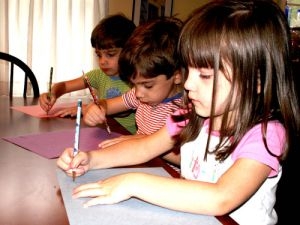 Discover how school readiness programs support children’s independence, confidence, and skills for a successful transition into primary school.
 When an Educator is not performing their tasks or responsibilities at best practice, these issues need to be addressed for the Educator to understand where
 Educators can maximise tax deductions by claiming classroom supplies, training, union fees, and home office costs this financial year.
 A staff appraisal is a formal, systematic process of determining and reviewing the performance of early childhood educators over a period of time, usually a