


The home corner is more than a play space—it’s a mirror of children’s lived experiences and a stage for imagination, identity, and social learning. By re-enacting routines, caring for “family members,” and experimenting with roles, children build empathy, language, and problem-solving skills. For educators, the home corner is a window into children’s understanding of relationships, culture, and community.

A writing area in a preschool room is more than a corner with pencils and paper—it’s a space where children begin to see themselves as authors, communicators, and creators. By offering diverse tools and meaningful prompts, educators can nurture early literacy skills while celebrating children’s voices and identities. This area encourages mark-making, storytelling, and playful exploration, laying the foundation for confident communication.

When we talk about art areas in learning environments, we’re really looking at how spaces can be intentionally designed to foster creativity, self-expression, and developmental growth. In early childhood, art areas aren’t just about painting or drawing—they’re hubs for exploration, identity-building, and skill development.

In early childhood services, spaces dedicated to books and storytelling are often referred to as reading areas. Educators may also call them book corners or reading nooks, depending on the size, design, and atmosphere of the space. While the terminology varies, the purpose remains the same: to provide children with safe, inspiring environments where they can explore language, imagination, and connection. This article uses “reading areas” as the umbrella term while acknowledging the warmth and familiarity of book corners and reading nooks in everyday practice.

Creating a cozy, nature-inspired reading nook doesn’t have to be expensive. With a little creativity, you can build an inviting arch canopy using sturdy store-bought frames, playful DIY materials like pool noodles and hula hoops, repurposed camping tent arches, or even budget-friendly $13 dome tents from Big W and Kmart. This guide brings together all the options we’ve explored.
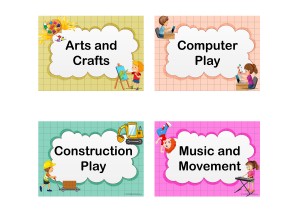
The Interest Area Signs are to be added to the different areas within the learning environment. Interest areas guide play, exploration and discovery which are all used to foster children’s holistic development. Interest areas enable educators to think intentionally about how to organize the space and involve the children to provide accessible materials that engage children and enhance their play experiences.
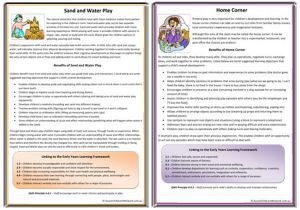
Interest Area Poster with detailed information on how the specific interest area benefits children while they play. It also links the EYLF Learning Outcomes and the QIAS principles. Interest areas that support learning are vibrant and flexible and are responsive to the interests and abilities of each child.
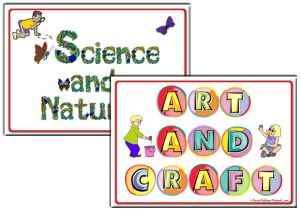
Organise childcare environments with interest area display signs. These resources help educators create structured learning spaces and guide children’s play.
 The Children’s Services Award introduces a streamlined classification system and updated pay rates designed to better recognise the skills, qualifications, and responsibilities of early childhood… Read More
 The Children’s Services Award has 8 clear levels. These levels make it easier to understand where you fit, based on your experience, qualifications, and responsibilities.… Read More
 When working as a qualified early childhood teacher (with a university degree) within a service, your rate of pay will come from the Educational Services… Read More
 Diploma-qualified educators play a vital role in early childhood services, taking on responsibilities that range from supporting children’s learning and development to leading rooms and… Read More
 Certificate III qualified educators form the backbone of early childhood services, providing essential care and learning support for children across all settings. Their wages under… Read More
 Early Childhood Teachers (ECTs) play a vital role in leading curriculum and pedagogy in early learning settings. Regulation 272 of the Education and Care Services… Read More
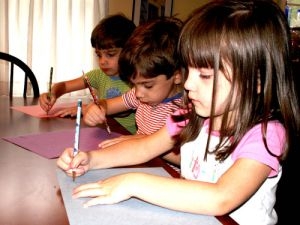 Discover how school readiness programs support children’s independence, confidence, and skills for a successful transition into primary school.
Read More
Discover how school readiness programs support children’s independence, confidence, and skills for a successful transition into primary school.
Read More
 When an Educator is not performing their tasks or responsibilities at best practice, these issues need to be addressed for the Educator to understand where… Read More
 Educators can maximise tax deductions by claiming classroom supplies, training, union fees, and home office costs this financial year.
Read More
Educators can maximise tax deductions by claiming classroom supplies, training, union fees, and home office costs this financial year.
Read More
 A staff appraisal is a formal, systematic process of determining and reviewing the performance of early childhood educators over a period of time, usually a… Read More

Providers of childcare care or early childhood educational services are required to get their service...
See more...
A: As the end of the preschool year approaches, preschool educators begin preparing for graduation...
See more...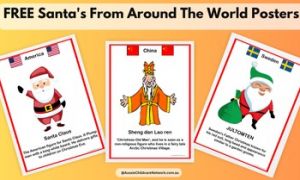
Celebrate global traditions, spark curiosity, and build cultural awareness with this beautifully designed poster set...
See more...