


School readiness means independence, confidence, curiosity, resilience, and relationships—skills that help preschoolers thrive in classrooms.

Preschool readiness goes beyond reciting letters or numbers; educators focus on curiosity, resilience, and real learning for school success.
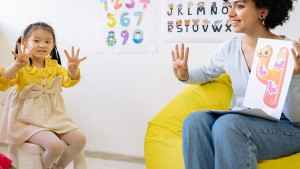
Is a school readiness program necessary? Explore how skills and dispositions are built through play, programs, and balanced approaches in early childhood.
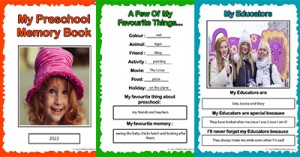
The “My Preschool Memory Book” is a heartfelt end-of-year keepsake designed to honour each child’s unique early learning journey. This 6-page portfolio template helps educators capture meaningful moments, relationships, and milestones as children prepare to transition from preschool to kindergarten.

Kindergarten is a joyful and important year in your child’s learning journey. It builds the foundation for school readiness through play, relationships, and exploration. But every child develops at their own pace—and readiness isn’t just about knowing letters or numbers. This factsheet offers a holistic view of what “readiness” might look like, helping you reflect on your child’s strengths, needs, and personality.

In early childhood education, the phrase “school readiness” often conjures images of children sitting quietly at tables, practicing handwriting or phonics. But this narrow view overlooks the rich, embodied ways that young children learn. As research and practice continue to affirm, four-year-olds don’t need to sit still to be ready for school, they need to move, explore, and play.
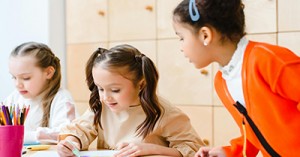
The transition from preschool to kindergarten isn’t just academic—it’s deeply social. As children move from parallel play to collaborative learning, they begin to form friendships, navigate conflict, and express their unique identities. These social and personal skills are the bedrock of emotional wellbeing and school readiness.
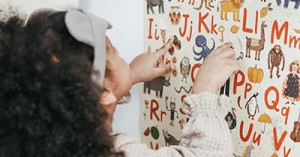
In early childhood education, the decision to defer a child’s school entry by a year is often framed as “staying back.” But educators across Australia are challenging this language, advocating instead for a strengths-based perspective: sending children when they are developmentally ready.
 Toddlers have a greater understanding of the world around them by this stage. Their cognitive development (also known as intellectual development and thinking skills) continues… Read More
 Infants begin to develop trust when parents begin to fulfil their needs. Such as changing an infant's nappy when needed, feeding on request and holding… Read More
 Beginning at birth the construction of thought processes, such as memory, problem solving, exploration of objects etc, is an important part of an infant’s cognitive… Read More
 Toddlers want to do more on their own and do not like it when you begin to establish limits on their behaviour. Tantrums can become… Read More
 Your preschooler is now able to focus their attention more accurately and is less influenced by distractions. The intensity of questions increase as your child… Read More
 John Dewey is often seen as the proponent of learning by doing – rather than learning by passively receiving. He believed that each child was active,… Read More
 Erik Erikson developed a psychosocial theory to understand how we each develop our identities through eight stages of psychosocial development from infancy to adulthood. The… Read More
 Toddler advance and gains new skills in Gross Motor Development milestones achieved throughout earlier years. Co-ordination and challenges that could not be performed before such… Read More
 At this point preschoolers begin to interact effectively with others. Play becomes more innovative and organized and “boyfriend” or “girlfriend” begins to emerge. Preschoolers have… Read More
 From now, babies begin to identify and respond to their own feelings, understanding other's feelings & needs and interact positively with others. A baby's social and… Read More
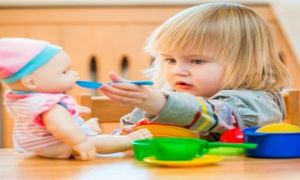
Swiss psychologist Jean Piaget theorized in the pre-operational stage between two and seven years, children...
See more...
Supporting children in OSHC with regulation techniques means creating safe, predictable environments and teaching strategies...
See more...
Montessori stressed that children learn best by using their senses and pursuing their interests, rather...
See more...