


Everyday childcare reflection strategies that enhance EYLF outcomes, educator growth, and practice.

In early childhood education, continuous improvement is not just a compliance requirement—it’s a mindset. Two key processes drive this improvement: Critical Reflection and the Quality Improvement Plan (QIP) Action Plan. While they are closely connected, they serve different purposes. Understanding how they work together ensures that educators move from thoughtful analysis to meaningful action.

Critical reflection is more than “thinking back” on what we do each day. It’s a deliberate process of questioning assumptions, evaluating decisions, and considering multiple perspectives. For educators, this practice is central to ensuring that programs are not only meaningful for children but also compliant with sector standards.

Critical reflection is more than just “thinking back” on what happened in your classroom. It’s about questioning assumptions, exploring values, and considering the broader influences that shape practice. Embedding it into daily routines helps educators move beyond surface‑level reflection and create meaningful, transformative change.

Reflection and critical reflection are both essential practices in education. While they sound similar, they serve different purposes. Understanding the distinction helps educators know when to use each and how they contribute to professional growth and improved outcomes for children.

High-quality early childhood education is built on a cycle of self-assessment, critical reflection, and quality improvement planning. These three elements work together to ensure services not only meet the National Quality Standard (NQS) but also continuously evolve to provide meaningful, responsive learning environments.
Self-assessment helps educators evaluate their practices against the NQS and identify strengths and areas for growth.
Critical reflection deepens this process by asking why practices matter, exploring multiple perspectives, and considering the impact on children, families, and educators.
The QIP then transforms these insights into a documented plan with clear goals, strategies, and timelines for improvement.
Together, they create a cycle of continuous improvement that strengthens compliance, promotes professional growth, and ensures children thrive in environments that are thoughtful, inclusive, and engaging.

Reflections are powerful tools for growth, learning, and connection. Whether used in education, professional practice, or personal journaling, a strong reflection goes beyond recounting events—it captures authentic experiences, explores emotions, and identifies lessons that shape future actions. This checklist is designed to help writers and evaluators ensure that reflections are meaningful, structured, and impactful. It can be used by students, educators, colleagues, or anyone seeking to deepen their reflective practice.

Critical reflection is more than a checkbox on a compliance form—it’s a powerful tool for growth, insight, and transformation in educational practice. Yet for many educators, it can feel abstract, time-consuming, or overly complex. This article breaks down critical reflection into accessible steps, offering tools and prompts that make it both meaningful and manageable.

Halloween is more than costumes and candy; it's a cultural moment that invites play, storytelling, and community connection. But beneath the surface, it also offers a rich opportunity for reflection. What are we celebrating, and how does it shape our values, identities, and relationships? Here’s a thoughtful set of critical reflection questions for families considering whether to celebrate Halloween, designed to support values-based decision-making, emotional safety, and inclusive dialogue.

These critical reflection questions invite educators to look beneath the surface. To interrogate not just what ratios are, but what they do. How they impact our ability to see every child, respond to every need, and show up as our full selves. It challenges us to name the invisible labor, the moral compromises, and the quiet grief that ratio pressures can bring—while also illuminating the courage, creativity, and collective wisdom that educators embody every day.
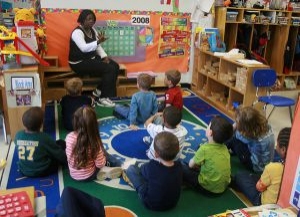 Working as a childcare professional can be a challenge especially when dealing with behavioural problems which may arise. The techniques we use when dealing with… Read More
 There are different types of behaviour that children can display and sometimes it can be hard to manage, especially if a child is having behavioural… Read More
 As Educators, there will be many instances where you will need to write about a child's behaviour. For a behaviour management plan, assessments, half-yearly or… Read More
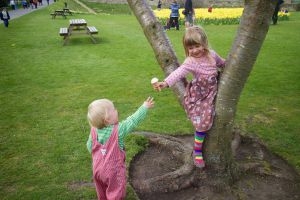 As a parent, your behavioural expectations of your child can be higher than what is actually developmentally appropriate for your child's age.
Read More
As a parent, your behavioural expectations of your child can be higher than what is actually developmentally appropriate for your child's age.
Read More
 As Educators when communicating with Parents (through verbal or non-verbal communication), there will be times where we need to discuss issues or concerns that may… Read More
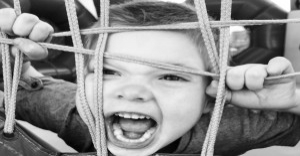 Challenging Behaviour is when a child does something that hurts themselves and/or other people.
Read More
Challenging Behaviour is when a child does something that hurts themselves and/or other people.
Read More
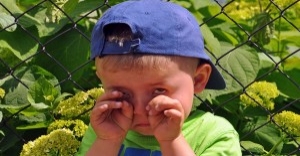 It's always difficult to bring up behavioural issues with parents, it can be nerve wrecking to tell a parent that their child misbehaves but that… Read More
 As part of your child's development it is normal for your child to have anxiety and fears. A baby commonly shows a fearful sign to… Read More
 All children deal with anger on a daily basis. Thinking about it as a child, there is a lot to be angry about. Elder people… Read More
 It is important to understand that your child behaviour problems could not just be from attention seeking. There are many factors to take into consideration… Read More

Calming down an angry child is important as it helps to enhance awareness about their...
See more...
Cognitive development in young children refers to the growth of their ability to think and...
See more...
Ellen Beate Hansen Sandseter is a Norwegian researcher and professor at Queen Maud University College...
See more...