



Diwali, India's biggest and most important holiday of the year, is on the 31st of October. The following provides Diwali Templates and FREE Printables that will help you celebrate Diwali at your service and can also be included in the curriculum for children.

Lighting plays a crucial role in early childhood environments, impacting everything from mood and behavior to learning and development. The following article provides information on Effect Of Lighting, Effects Of Poor Lighting, The Effects Of Poor Lighting On Children, Dim Lighting In Early Childhood and more.

After discovering her 2-year-old daughter sobbing in a dim, deserted South Florida daycare center, a mother dialed 911.

When writing a report on a child, it's an opportunity for the Educator to capture the child's learning and for parents to receive an account of their child's engagements within an early childhood setting. The following article provides information on examples of writing prompts and comments that can be used when writing yearly reports on the child.

Learning trajectories in early childhood refer to the developmental pathways that children typically follow as they acquire new skills and knowledge. The following article provides information on What Are Learning Trajectories In Early Childhood, Learning Trajectory Domains, How To Use Learning Trajectories In Early Childhood, Using Learning Trajectories In Play Based Activities, Learning Trajectories And The EYLF and more.

From the 1st of January 2025, intentional underpayment of wages by employers will be criminalized as part of reforms to workplace rules.

On the 31st of October, it is Halloween. The following provides Halloween Templates, free Printables and Activities that will help you celebrate Halloween at your service and can be implemented into the curriculum for children.

On Reddit, a mother revealed that she had just learned that her son's preschool does not turn on the lights so the kids can play during the day. "My four-year-old attends a Montessori school where the lights are turned off. Their class is the only one of six that does this," she said.
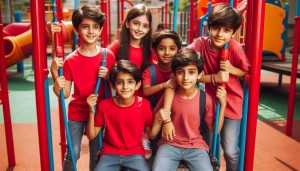
Day for Daniel 2024 will be held on Friday, October 25th. This day is Australia’s largest child safety awareness and education event, organized by the Daniel Morcombe Foundation. Participants are encouraged to wear red, educate, and donate to promote child safety and honor the memory of Daniel Morcombe.


Writing transition statements in early childhood education is an important task that helps ensure a smooth transition for children moving from early childhood settings to primary school. The following article provides information on the Purpose Of Transition Statements, Key Components Of Transition Statements, Tips For Writing Transition Statements, Examples and more.

The Emergency Helpers Program aims to prepare children between the ages of 3-5 years for emergency situations. The following article provides a downloadable FREE resource booklet for Educators with program lessons on emergency situations.
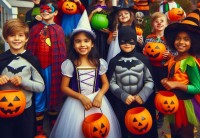
Celebrating Halloween in early childhood settings in Australia can be a fun and enriching experience. The following article provides the Pros and Cons Of Celebrating Halloween, Learning Goals For Halloween A Theme, Halloween Activities For Toddlers and Preschoolers, Linking Halloween To The EYLF and more.

EYLF Learning Outcome 1 - Children Have A Strong Sense Of Identity focuses on children developing a strong sense of identity. The following article provides information on Key Learning Goals, Strategies To Support Learning Goals, Activities That Link To EYLF Learning Outcome 1, Lesson Plan Sample For EYLF Outcome 1 and more.
