



Showcasing children’s work creatively can boost their confidence and make them feel valued. The following article provides information on Showcasing Children's Work, Showcasing Children's Work Outdoors, Showcasing Ongoing Projects, Showcasing Collaborative Projects and more.

The theme of this year's Children's Week is Article 24 of the United Nations Convention on the Rights of the Child (UNCRC) - Article 24 Children have the right to a clean and safe environment. The following article provides information on Article 24, Practical Strategies To Achieve A Clean and Safe Environment For Children and more.
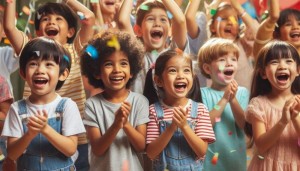
Celebrating children’s achievements in early childhood is crucial for their development and self-esteem.

Meditation can be a wonderful tool for preschoolers to help them relax, focus, and manage their emotions. The following article provides simple and engaging meditation activities for young children.
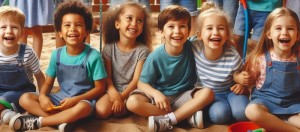
Supporting the mental health of toddlers and preschoolers is crucial for their overall development. The following article provides information on effective strategies including Building Trusting Relationships, Teach Social Emotional Skills, Encourage Positive Interactions, Create A Multi Rich Environment, Professional Development and more.

The following lists useful contacts if you have a question or need support as a provider and for early learning services.

Providers of childcare care or early childhood educational services are required to get their service rated for quality by regulatory authorities. Quality ratings are provided after assessments against the seven quality areas outlined in the National Quality Standard or NQS. If your service has been rated ‘Working Towards’, here it what means and what you can do to improve your rating.
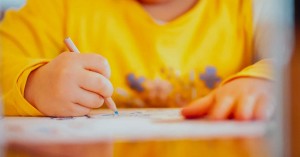
Visual Motor Integration covers efficient and effective coordination between the eyes and the hands so that children are able to copy, draw or write what they see. Since children develop their handwriting based on what they see in a model and then imitate it in their own writing, they need to have effective Visual Motor Integration. The following article provides information on What Is Visual Motor Integration, VMI and Handwriting, Improving Visual Motor Skills and more.
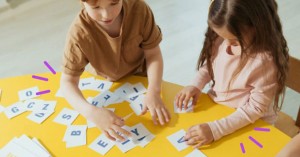
At its simplest, communication is the process of sending and receiving information between two or more people. Visual communication involves the exchange of information using pictures, imagery, symbols and signs. The following article provides strategies for using visual communication with children.
The capacity to work on a task with sustained attention is an extremely important developmental milestone for children. It not only helps them to learn better in school but is directly related to positive life outcomes in adulthood through higher self-esteem and self-efficacy. The following article provides strategies for improving concentration in children.
 Open ended questions cannot be responded to with one word answers such as yes or no. These types of questions enables a child to provide… Read More
 During your child’s preschool years, an important milestone begins to emerge. This is the development of pre-writing skills. Pre-writing skills are used to encourage, develop… Read More
 An Acknowledgment of the Country is a way of showing respect for the Traditional Owners and can be given by both non-Indigenous people and Aboriginal… Read More
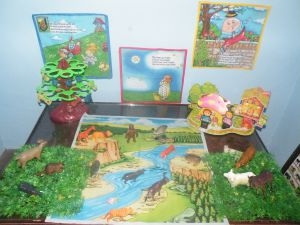 Open ended materials enables children to play freely. They are objects that have no rules to follow, use or function. Raw materials that can be… Read More
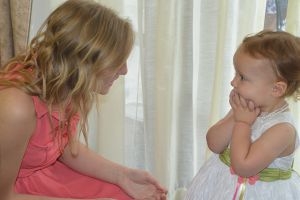 Language plays an important role in a child’s development. It enables a child to communicate effectively with their family, learn at school, socialize with friends,… Read More
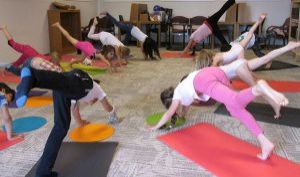 Like adults, children have to deal with their own stress in life. Moving house, starting a new school, preparing for a new sibling - these are… Read More
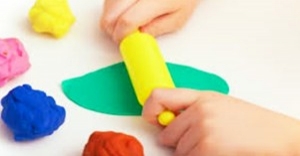 Playdough is such a versatile material. It provides numerous benefits to children as they manipulate it, it is safe and soothing and provides children with… Read More
 Teaching children about sustainability enables them to appreciate and respect the natural environment. Early childhood services can provide meaningful hand on learning experiences in order… Read More
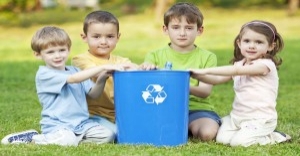 Recycling is an important concept that teaches children to care for the environment. It encourages children to be responsible and show a growing appreciating for… Read More
 Incursions provide children with the opportunity to explore meaningful learning experiences in the comfort of their early childhood service. The following provides a directory of… Read More

The National Law and the National Regulations illustrate the legal responsibilities of the approved provider...
See more...
According to EYLF, scaffolding comprises of the educators’ decisions and actions that build on children’s...
See more...
Reconciliation in early childhood is not a one‑week event; it’s a daily practice. Embedding reconciliation...
See more...