



A nice way to say Thank You to Educators for all their hard work and dedication for the year is with an end of year gift. The following provides gift ideas for Educators that are thoughtful and cost effective.
Giving an end of year keepsake to children is a sweet and meaningful way to say Thank You and Goodbye to each child that you have watched grow, develop and love over the past year. The following article provides ideas for easy DIY gifts that are creative and thoughtful.

When an employee is fired in a severe, unfair, or irrational way, it is known as an unfair dismissal. The law protects many employees from unfair dismissal. The following article provides information on What Is Dismissal, What Is Unfair Dismissal, Minimum Employment Period, Applying For Unfair Dismissal, Remedies For Unfair Dismissal and more.
Sun safety is crucial in early childhood services to protect young children from the harmful effects of ultraviolet (UV) radiation. The following article provides Strategies And Guidelines To Ensure Sun Safety, The Importance Of UV Levels When Playing Outside In Childcare, What Are The Recommended UV Levels For Playing Outside, Where To Monitor UV Levels and more.
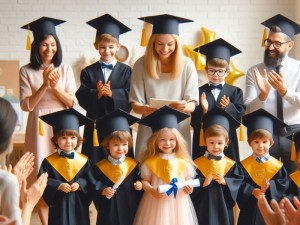
Preschool graduation is a special milestone that celebrates the transition of young children from preschool to kindergarten. It's a time to recognize their growth, achievements, and readiness for the next stage of their educational journey. The following article provides information on What Is Preschool Graduation, Strategies To Implement A Preschool Graduation, How To Get Children Involved In Their Preschool Graduation, What Does A Genuinely Inclusive, Child-focused Graduation Look Like and more.

A Diploma Of Early Childhood Education and Care opens up a variety of rewarding career opportunities. The following article provides potential career opportunities for Educators who have completed a Diploma Of Early Childhood Education and Care.
Transitioning children into a new room in childcare can be a smooth and positive experience with the right strategies. The following article provides information on When To Transition A Child Into A New Room In Childcare, Strategies To Support Transition To A New Room, and more.
School readiness" refers to a child's preparedness to succeed in a school environment. It's not just about academic skills like reading, writing, and math, but also encompasses the development of the whole child, including their social, emotional, physical, and cognitive skills. The following article provides information on Key Aspects Of School Readiness, How To Support School Readiness and more.

Writing transition statements in early childhood education is an important task that helps ensure a smooth transition for children moving from early childhood settings to primary school. The following article provides information on the Purpose Of Transition Statements, Key Components Of Transition Statements, Tips For Writing Transition Statements, Examples and more.
 Open ended questions cannot be responded to with one word answers such as yes or no. These types of questions enables a child to provide… Read More
 During your child’s preschool years, an important milestone begins to emerge. This is the development of pre-writing skills. Pre-writing skills are used to encourage, develop… Read More
 An Acknowledgment of the Country is a way of showing respect for the Traditional Owners and can be given by both non-Indigenous people and Aboriginal… Read More
 Open ended materials enables children to play freely. They are objects that have no rules to follow, use or function. Raw materials that can be… Read More
 Language plays an important role in a child’s development. It enables a child to communicate effectively with their family, learn at school, socialize with friends,… Read More
 Like adults, children have to deal with their own stress in life. Moving house, starting a new school, preparing for a new sibling - these are… Read More
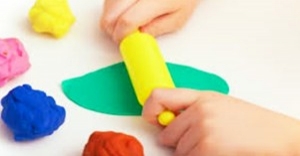 Playdough is such a versatile material. It provides numerous benefits to children as they manipulate it, it is safe and soothing and provides children with… Read More
 Teaching children about sustainability enables them to appreciate and respect the natural environment. Early childhood services can provide meaningful hand on learning experiences in order… Read More
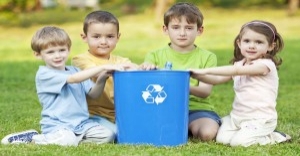 Recycling is an important concept that teaches children to care for the environment. It encourages children to be responsible and show a growing appreciating for… Read More
 Incursions provide children with the opportunity to explore meaningful learning experiences in the comfort of their early childhood service. The following provides a directory of… Read More
The following lists the sub-outcomes, examples of evidence when children achieve each sub-outcome and how...
See more...
In early childhood education and care, child safety is not just a number—it’s a practice...
See more...
Outcome 3 - Children have a strong sense of wellbeing of the EYLF reminds us that...
See more...