


In early childhood education, the phrase “school readiness” often conjures images of children sitting quietly at tables, practicing handwriting or phonics. But this narrow view overlooks the rich, embodied ways that young children learn. As research and practice continue to affirm, four-year-olds don’t need to sit still to be ready for school, they need to move, explore, and play.

In early childhood settings, the word “no” carries weight. It can signal safety, set boundaries, and teach children about limits. Yet, in some centres, policies now discourage educators from using “no” in any context, sparking debate across the sector. Is saying “no” harmful—or essential? And if we’re not saying “no,” what are we saying instead?

Celebrating Halloween in early childhood settings can be enriching, but it’s important to weigh the benefits and challenges thoughtfully. Here's a breakdown to help guide your decision:

Here’s a playful set of questions you can use during group time to explore children’s understanding of Halloween. These are designed to spark curiosity, storytelling, and cultural reflection, while keeping things warm and inclusive.

In early childhood services, leadership is relational. Whether you're guiding a new educator or supporting a seasoned team member through change, knowing when to coach and when to mentor is essential. These approaches aren’t interchangeable; they serve different purposes, require different skills, and yield different outcomes. This cheat sheet helps leaders distinguish between coaching and mentoring, apply each effectively, and embed both into everyday practice.

In the fast-paced world, leadership isn’t just about compliance or curriculum; it’s about connection. One of the most powerful, yet often overlooked, tools in a leader’s toolkit is the humble check-in ritual. These moments of intentional pause can transform team dynamics, foster psychological safety, and embed a culture of care into the everyday rhythm of a service.

The following article provides 5 examples of risk assessments tailored for early childhood services, including Local Park Excursion, Art & Sensory Play, Loose Parts Construction Zone Risk Assessment, Fire Drill & Emergency Evacuation, and Dramatic Play with Costumes & Props, and more.

A: Under Regulations 101–102D, approved providers and educators must conduct risk assessments for activities that may pose risks to children’s health, safety, or well-being.

National Children’s Week (18th - 26th October) is more than a calendar event—it’s a call to action. A reminder to pause, reflect, and truly listen to the voices of children. In early childhood settings, where play, learning, and relationships intertwine, this week offers a powerful opportunity to centre children’s rights, celebrate their contributions, and elevate their lived experiences.

“Every time a child runs into my arms like I’m their whole world—that’s when I know I’m exactly where I’m meant to be.”
 Open ended questions cannot be responded to with one word answers such as yes or no. These types of questions enables a child to provide… Read More
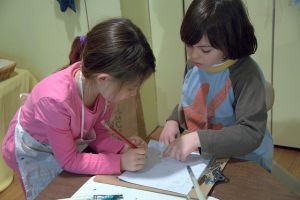 During your child’s preschool years, an important milestone begins to emerge. This is the development of pre-writing skills. Pre-writing skills are used to encourage, develop… Read More
 An Acknowledgment of the Country is a way of showing respect for the Traditional Owners and can be given by both non-Indigenous people and Aboriginal… Read More
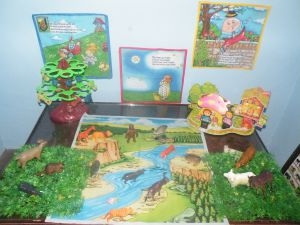 Open ended materials enables children to play freely. They are objects that have no rules to follow, use or function. Raw materials that can be… Read More
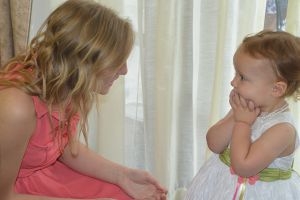 Language plays an important role in a child’s development. It enables a child to communicate effectively with their family, learn at school, socialize with friends,… Read More
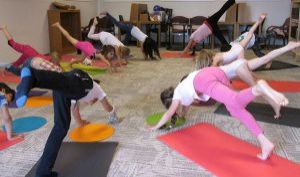 Like adults, children have to deal with their own stress in life. Moving house, starting a new school, preparing for a new sibling - these are… Read More
 Playdough is such a versatile material. It provides numerous benefits to children as they manipulate it, it is safe and soothing and provides children with… Read More
 Teaching children about sustainability enables them to appreciate and respect the natural environment. Early childhood services can provide meaningful hand on learning experiences in order… Read More
 Recycling is an important concept that teaches children to care for the environment. It encourages children to be responsible and show a growing appreciating for… Read More
 Incursions provide children with the opportunity to explore meaningful learning experiences in the comfort of their early childhood service. The following provides a directory of… Read More

“I was watching the rain because it made me feel calm. I didn’t want to...
See more...
There is enough evidence in the history of the world to show the steep cost...
See more...
Children don’t learn to read by starting with phonics worksheets—they begin with listening, talking, imagining...
See more...