


50 fun toddler activities (1–2 years) to boost learning, play, and EYLF outcomes every day.
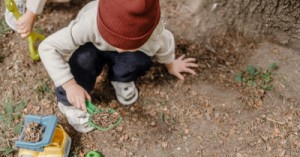
Designing outdoor spaces for little ones is about balancing safety, sensory exploration, and opportunities for growth. Babies and toddlers thrive in environments that invite curiosity while supporting their developmental milestones. Below are practical, creative ideas to guide your setup.

Designing a nursery room for infants and toddlers (0–2 years) requires more than just arranging furniture; it’s about creating a safe, nurturing, and developmentally rich environment that aligns with the NQS and the EYLF. At this age, children are forming their earliest attachments, exploring the world through their senses, and developing foundational skills for movement, communication, and social interaction.

Separation anxiety is a normal developmental stage that often begins around 6–12 months of age. For educators, understanding and responding to this stage with empathy and practical strategies can make a significant difference in supporting both children and families.

The start of a new year in the babies’ room is more than a calendar change; it’s a chance to reset, renew, and reimagine the environment where our youngest learners begin their journey. Creating a space that nurtures belonging, safety, and joyful exploration sets the tone for the months ahead.

The Child Safe Standards provide a framework to ensure that every child in early childhood education is protected, respected, and empowered. These standards are not just compliance requirements; they are everyday practices that safeguard children’s well-being while fostering environments where they can thrive.
For educators, translating these standards into age‑appropriate strategies is essential. Babies, toddlers, and preschoolers each experience safety differently, and educators must adapt their approaches to meet developmental needs. This guide offers practical checklists and examples to help educators embed child safety into daily routines, interactions, and learning experiences.

Open-ended play activities are all about freedom, exploration, and creativity—especially powerful in early childhood settings where babies and toddlers are discovering the world through their senses and movement. Here’s a rich collection of examples tailored for babies (0–18 months), with variations to suit different developmental stages and settings.

Celebrating NAIDOC Week with babies aged 0–12 months is a beautiful opportunity to introduce them to the richness of Aboriginal and Torres Strait Islander cultures through sensory, visual, and rhythmic experiences. Here are some gentle, age-appropriate ideas tailored for your littlest learners.
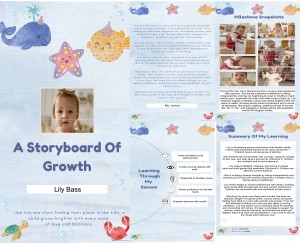
This template can be used as a summative assessment for babies.

Creating a stimulating and safe environment for babies is essential for their development. Babies thrive on exploration, and the right toys can help them develop essential skills while keeping them engaged. The following article provides a list of toys and activities that stimulate a baby’s senses and encourage development.
 Open ended questions cannot be responded to with one word answers such as yes or no. These types of questions enables a child to provide… Read More
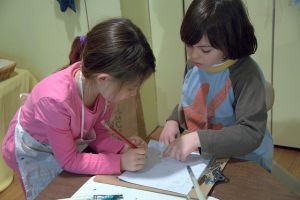 During your child’s preschool years, an important milestone begins to emerge. This is the development of pre-writing skills. Pre-writing skills are used to encourage, develop… Read More
 An Acknowledgment of the Country is a way of showing respect for the Traditional Owners and can be given by both non-Indigenous people and Aboriginal… Read More
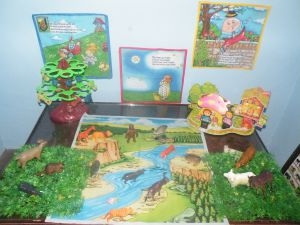 Open ended materials enables children to play freely. They are objects that have no rules to follow, use or function. Raw materials that can be… Read More
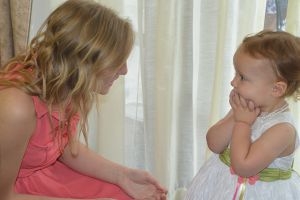 Language plays an important role in a child’s development. It enables a child to communicate effectively with their family, learn at school, socialize with friends,… Read More
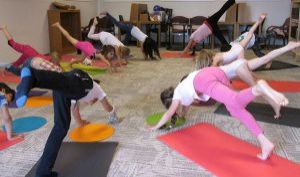 Like adults, children have to deal with their own stress in life. Moving house, starting a new school, preparing for a new sibling - these are… Read More
 Playdough is such a versatile material. It provides numerous benefits to children as they manipulate it, it is safe and soothing and provides children with… Read More
 Teaching children about sustainability enables them to appreciate and respect the natural environment. Early childhood services can provide meaningful hand on learning experiences in order… Read More
 Recycling is an important concept that teaches children to care for the environment. It encourages children to be responsible and show a growing appreciating for… Read More
 Incursions provide children with the opportunity to explore meaningful learning experiences in the comfort of their early childhood service. The following provides a directory of… Read More

Bushfires are a natural part of the Australian landscape, but for young children they can...
See more...
In early childhood, educators often go above and beyond their rostered hours. Whether it’s arriving...
See more...
A: Dealing with negative behaviors such as passive aggressiveness, negativity, gossiping, cliques, favoritism, and a...
See more...