



Recognition of Prior Learning allows educators to gain qualifications by valuing existing skills, knowledge, and experience.


The Australian Skills Quality Authority has reaffirmed its commitment to protecting the integrity of vocational education and training. Following a recent Tribunal decision, the cancellation of qualifications issued by Gills College was upheld. This ruling highlights the regulator’s determination to safeguard students, employers, and the wider community from non-genuine training providers.

“How are new graduates supposed to gain experience if we are never given a chance?” This question, voiced by many new educators, captures a frustrating reality in our sector. After completing placements and earning qualifications, countless graduates find themselves rejected from job applications because they lack “experience.” Yet placements themselves involve real responsibility—planning programs, observing children, engaging families, and meeting compliance standards. Why isn’t this recognised?

Recent alerts from TEQSA (Tertiary Education Quality and Standards Agency) and ASQA (Australian Skills Quality Authority) have raised concerns about students being funnelled into childcare courses without genuine interest or adequate preparation. Migration agents and private colleges offering fast-tracked qualifications are contributing to a surge of students entering placements without mandatory checks or sufficient training.

Stepping into the role of director brings many responsibilities, and one of the most important is recruiting and supporting new trainees. For many candidates, this is their very first job in the sector. They may be young, inexperienced, and nervous, yet they hold the potential to grow into strong educators who enrich your team.
This article explores practical approaches to interviewing trainees, ensuring the process is supportive, insightful, and aligned with the values of early childhood education.

Beginning your journey as a diploma-qualified educator is both exciting and challenging. You are stepping into a role that requires leadership, reflective practice, and a deeper understanding of compliance and curriculum design. This article outlines the expectations, guidance, and practical tips to help you thrive in your new position.

Beginning your journey as a Certificate III educator is both exciting and challenging. This role is the foundation of early childhood education and care, where you support children’s wellbeing, learning, and development while working alongside more experienced colleagues. You are not expected to know everything immediately—your role is about learning, contributing, and growing into a confident professional.
Cert III educators are often the heartbeat of the service. You’ll be hands-on in routines, play, and daily care, while gradually building your understanding of frameworks like the EYLF and the NQS. Think of this stage as laying bricks: every routine you master, every observation you make, and every relationship you build adds to the strong foundation of your career.

Prepare for early childhood education interviews with confidence. Discover common questions, learn how to showcase emotional intelligence, and explore sector‑specific examples to highlight your skills and values.

The beginning of the year often brings fresh opportunities for both educators and services. For managers, this is a critical time to recruit new staff who will shape the culture and quality of care for the months ahead. Interviewing for a Cert III position requires more than checking qualifications; it demands a thoughtful approach that balances compliance, creativity, and a child-centered philosophy.
This article provides managers with practical strategies, sample questions, and example responses to ensure interviews uncover the qualities that matter most in early childhood education.
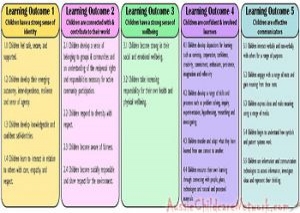 Here is the list of the EYLF Learning Outcomes that you can use as a guide or reference for your documentation and planning. The EYLF… Read More
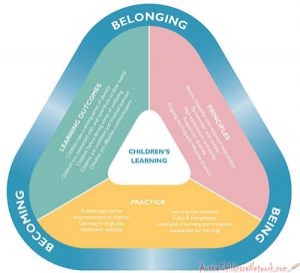 The EYLF is a guide which consists of Principles, Practices and 5 main Learning Outcomes along with each of their sub outcomes, based on identity,… Read More
 This is a guide on How to Write a Learning Story. It provides information on What Is A Learning Story, Writing A Learning Story, Sample… Read More
 One of the most important types of documentation methods that educators needs to be familiar with are “observations”. Observations are crucial for all early childhood… Read More
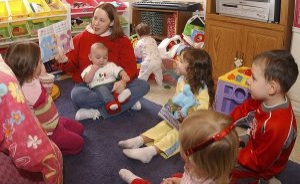 To support children achieve learning outcomes from the EYLF Framework, the following list gives educators examples of how to promote children's learning in each individual… Read More
 Reflective practice is learning from everyday situations and issues and concerns that arise which form part of our daily routine while working in an early… Read More
 When observing children, it's important that we use a range of different observation methods from running records, learning stories to photographs and work samples. Using… Read More
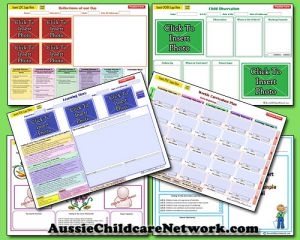 Within Australia, Programming and Planning is reflected and supported by the Early Years Learning Framework. Educators within early childhood settings, use the EYLF to guide… Read More
 This is a guide for educators on what to observe under each sub learning outcome from the EYLF Framework, when a child is engaged in… Read More
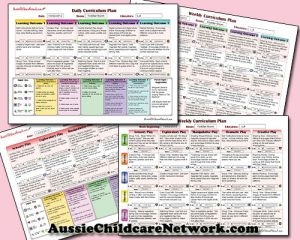 The Early Years Learning Framework describes the curriculum as “all the interactions, experiences, activities, routines and events, planned and unplanned, that occur in an environment… Read More

Supporting schemas through meaningful and engaging experiences helps nurture children’s natural learning processes. The following...
See more...
Cool Australia has partnered with Ludo Studio to create a range of Bluey educational resources...
See more...
Easter is just around the corner. What can be easier to make them learn about...
See more...