



A: The short answer: Yes, in most cases. While ACECQA requires practicums as part of qualifications, the rule that some hours must be completed outside the current workplace is usually enforced by training providers (TAFEs, RTOs, universities). This ensures diverse experiences, exposure to different service types, and quality assurance across the sector.
Practicums are a vital part of ECEC qualifications in Australia. They ensure that students gain supervised, hands‑on experience in real settings, bridging theory with practice.

Here are some effective study planning techniques and tools to support students in staying organized and productive. This article provides information on Study Planning Techniques, Study Planning Tools, How To Manage Multiple Modules In A Cluster, Week By Week Study Plan, Daily Study Schedule Example, Weekly Study Breakdown Example, Study Tips While At Work and more.

A: A jotting observation is a concise and informal way to document significant events, behaviors, or interactions. These observations are typically brief, focusing on specific moments rather than a sequence of events. They provide a snapshot of a child's interests, development, or skills and can be recorded in various formats, such as notebooks or post-it notes.

There are a significant number of educators undertaking study to gain formal qualifications. There is also a need for educators in the early childhood workforce, who are undertaking study, to feel supported to strive to achieve their career goals and remain in the workforce. Leading Learning Circles for Educators Engaged in Study is designed to assist pedagogical leaders in supporting educators in their service who are undertaking study. The following article provides information on What Is Leading Learning Circles for Educators Engaged in Study, How Does This Helps Educators Who Are Studying, How To Get Started, Roadmap To Get Started, Reflective Questions, Examples Of Connecting Theory To Practice and Leading Learning Circles for Educators Engaged in Study Resource.

Attachment theory is a key concept in developmental psychology that examines the importance of early relationships between children and their Educators.The following article provides information on What Is Attachment Theory, Key Aspects of Attachment Theory, Significance of Strong, Secure Attachments, Practical Strategies For Attachment Theory, How Lack Of Attachment Can Impact On Development and more.

The Australian 24-Hour Movement Guidelines for the Early Years provide comprehensive recommendations for physical activity, sedentary behavior, and sleep for children from birth to 5 years. The following article provides information About The Australian 24-Hour Movement Guidelines for the Early Years, Key Recommendations, and more.

The following article provides information on Expectations, Documentation Requirements, Tips and Hacks to help you navigate within the work environments as a first-time ECT graduate.

The following article lists some Common Interview Questions and Tips On How To Answer Them, How To Answer Interview Questions On The NQS. Tips For Answering Questions, Discussing Past Employment, Discussing Why You Want The Job, Discussing Wages and more.

RPL is a process where your previous learning, skills, and experience are formally recognized towards a qualification. The following article provides information on Relevant Experience, Gathering Evidence, Application Process, Assessment and more.

Credit transfer is a process that allows students to receive recognition for their previous studies when they enroll in a new course or at a different institution. The following article provides information on What Is Credit Transfer? What Is The Purpose?, How Does It Work? The Benefits, Requirements, Difference Between Credit Transfer and RPL and more.
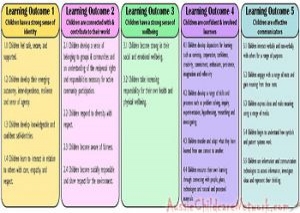 Here is the list of the EYLF Learning Outcomes that you can use as a guide or reference for your documentation and planning. The EYLF… Read More
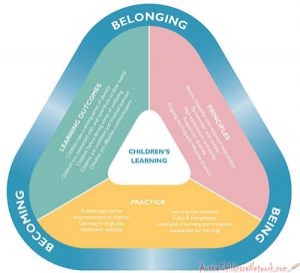 The EYLF is a guide which consists of Principles, Practices and 5 main Learning Outcomes along with each of their sub outcomes, based on identity,… Read More
 This is a guide on How to Write a Learning Story. It provides information on What Is A Learning Story, Writing A Learning Story, Sample… Read More
 One of the most important types of documentation methods that educators needs to be familiar with are “observations”. Observations are crucial for all early childhood… Read More
 To support children achieve learning outcomes from the EYLF Framework, the following list gives educators examples of how to promote children's learning in each individual… Read More
 Reflective practice is learning from everyday situations and issues and concerns that arise which form part of our daily routine while working in an early… Read More
 When observing children, it's important that we use a range of different observation methods from running records, learning stories to photographs and work samples. Using… Read More
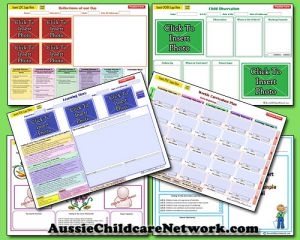 Within Australia, Programming and Planning is reflected and supported by the Early Years Learning Framework. Educators within early childhood settings, use the EYLF to guide… Read More
 This is a guide for educators on what to observe under each sub learning outcome from the EYLF Framework, when a child is engaged in… Read More
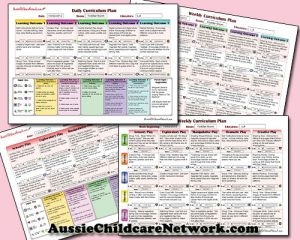 The Early Years Learning Framework describes the curriculum as “all the interactions, experiences, activities, routines and events, planned and unplanned, that occur in an environment… Read More

Becoming an educational leader is both exciting and daunting. It’s a role that blends vision...
See more...
Sensory experiences enable children to use their senses to explore and manipulate objects.
See more...
If your service closes due to COVID-19, it’s important to understand what your obligations are...
See more...