


As a student finding information and doing research is an important part of completing assignments. Once you find the information you need to complete the question, it's imperative you know how to reference the information that you are adding into your response.

Being a student and completing assessments can be a hard task. Especially when you don’t understand what the question is, you have to write an essay or a report which you may not know how to do, or you left your assignment to the last minute. How are you going to get that pass mark – just copy someone else’s answers…?
Australian Skills Quality Authority has found that 70% of childcare courses take less than a year to complete, instead of the minimum of 12 to 24 months requirement, making the majority of educators working in child care centres inadequately trained.

Open ended questions cannot be responded to with one word answers such as yes or no. These types of questions enables a child to provide a more detailed response and encourages a child to stimulate their thinking and develop their language skills. Open ended questions supports a child to focus and make meaning of their experiences and enables them to see various possibilities.
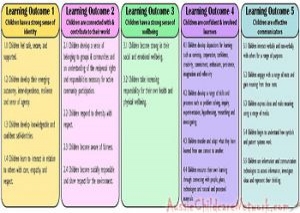 Here is the list of the EYLF Learning Outcomes that you can use as a guide or reference for your documentation and planning. The EYLF… Read More
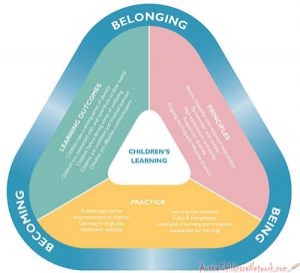 The EYLF is a guide which consists of Principles, Practices and 5 main Learning Outcomes along with each of their sub outcomes, based on identity,… Read More
 This is a guide on How to Write a Learning Story. It provides information on What Is A Learning Story, Writing A Learning Story, Sample… Read More
 One of the most important types of documentation methods that educators needs to be familiar with are “observations”. Observations are crucial for all early childhood… Read More
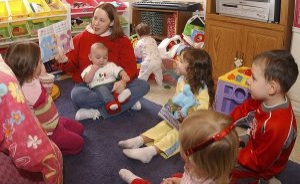 To support children achieve learning outcomes from the EYLF Framework, the following list gives educators examples of how to promote children's learning in each individual… Read More
 Reflective practice is learning from everyday situations and issues and concerns that arise which form part of our daily routine while working in an early… Read More
 When observing children, it's important that we use a range of different observation methods from running records, learning stories to photographs and work samples. Using… Read More
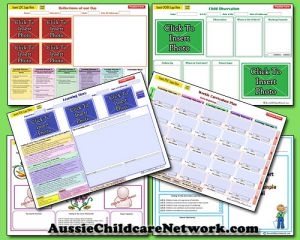 Within Australia, Programming and Planning is reflected and supported by the Early Years Learning Framework. Educators within early childhood settings, use the EYLF to guide… Read More
 This is a guide for educators on what to observe under each sub learning outcome from the EYLF Framework, when a child is engaged in… Read More
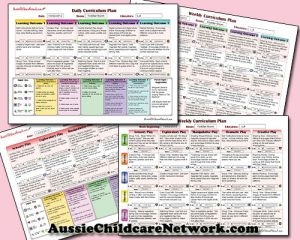 The Early Years Learning Framework describes the curriculum as “all the interactions, experiences, activities, routines and events, planned and unplanned, that occur in an environment… Read More
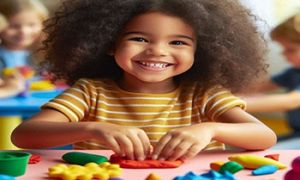
The following article provides a list of non-food tactile play ideas that can engage children...
See more...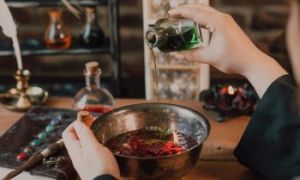
Potion play is a form of sensory and imaginative play where children mix natural or everyday materials...
See more...
Quality Area 3 of the National Quality Standard focuses on the Physical Environment. It focuses...
See more...