Engaging early childhood activity ideas for August 2026 events, linking EYLF outcomes with cultural, health, and literacy celebrations.
August encourages children to explore themes of family, community, science, and creativity. By linking activities to the EYLF Learning Outcomes, educators can create meaningful experiences that foster identity, well-being, and a sense of belonging.
This guide provides practical activity ideas for each event, helping services plan engaging programs that celebrate diversity, encourage healthy practices, and inspire curiosity.
Daily Observances
1 August – World Breastfeeding Week
-
Baby Care Role Play – Children pretend to care for dolls, feeding and nurturing.
-
Storytime – Read books about families and caring for babies.
-
Discussion Circle – Talk about healthy food and how babies grow.
-
Art Activity – Draw “family portraits” showing caring relationships.
-
EYLF Outcomes: Outcome 1 (identity through family), Outcome 3 (well-being), Outcome 2 (community awareness).
3–9 August – Dental Health Week
-
Tooth Brushing Practice – Use models or dolls to demonstrate brushing.
-
Healthy Food Sorting – Sort foods into “good for teeth” and “not so good.”
-
Storytime – Read Clarabella’s Teeth.
-
Craft – Make paper smiles with bright teeth.
-
EYLF Outcomes: Outcome 3 (healthy practices), Outcome 4 (problem-solving), Outcome 5 (communication through story).
4 August – National Aboriginal and Islander Children’s Day
-
Indigenous Art – Dot painting with natural colours.
-
Dreamtime Story Circle – Share traditional stories.
-
Music Exploration – Listen to didgeridoo sounds.
-
Nature Walk – Discuss respect for land.
-
EYLF Outcomes: Outcome 1 (identity and respect), Outcome 2 (cultural connection), Outcome 5 (communication through story and music).
6 August – Jeans for Genes Day
-
Dress-Up – Children wear jeans to show support.
-
Fundraising Role Play – Pretend shop with toy coins.
-
Art Activity – Decorate paper jeans with patterns.
-
Discussion Circle – Talk about helping sick children.
-
EYLF Outcomes: Outcome 2 (community awareness), Outcome 3 (empathy), Outcome 5 (communication through art).
8 August – International Cat Day
-
Cat Mask Craft – Create masks with whiskers and ears.
-
Movement Game – Crawl and stretch like cats.
-
Storytime – Read Slinky Malinki.
-
Discussion Circle – Talk about caring for pets.
-
EYLF Outcomes: Outcome 2 (environmental awareness), Outcome 3 (physical well-being), Outcome 5 (literacy).
12 August – International Youth Day & World Elephant Day
-
Youth Day: Group mural “Our Future World.”
-
Elephant Day: Elephant craft with grey paper and paint.
-
Storytime: Read Elmer the Elephant.
-
Discussion Circle: Talk about protecting animals and supporting young people.
-
EYLF Outcomes: Outcome 2 (community and environment), Outcome 3 (well-being), Outcome 5 (communication through art and story).
15 August – India Independence Day
-
Flag Craft – Children create Indian flags using coloured paper.
-
Cultural Dress-Up – Explore traditional Indian clothing.
-
Storytime – Share simple stories about freedom and unity.
-
Music & Dance – Play Indian songs and encourage movement.
-
EYLF Outcomes: Outcome 2 (cultural awareness), Outcome 1 (identity), Outcome 5 (communication through art and story).
15–23 August – National Science Week
-
Simple Experiments – Vinegar and baking soda volcano.
-
STEM Building – Use blocks to design towers.
-
Storytime – Read Ada Twist, Scientist.
-
Discussion Circle – Talk about curiosity and discovery.
-
EYLF Outcomes: Outcome 4 (problem-solving), Outcome 2 (awareness of the world), Outcome 5 (communication through science).
22 August – Daffodil Day
-
Flower Craft – Make daffodils from yellow paper or tissue.
-
Garden Walk – Explore flowers in the environment.
-
Storytime – Read books about hope and resilience.
-
Discussion Circle – Talk about supporting people with illnesses.
-
EYLF Outcomes: Outcome 2 (environmental awareness), Outcome 3 (well-being), Outcome 5 (communication through story and art).
22–28 August – Children’s Book Week
-
Dress-Up Parade – Children dress as favourite book characters.
-
Storytime Marathon – Read multiple short stories.
-
Book Craft – Create mini handmade books.
-
Discussion Circle – Share why reading is fun.
-
EYLF Outcomes: Outcome 1 (identity through choice), Outcome 5 (literacy), and Outcome 3 (well-being through imagination).
27 August – Red Nose Day
-
Dress-Up Fun – Children wear red noses or create paper versions.
-
Fundraising Role Play – Pretend shop to learn about helping others.
-
Art Activity – Paint red circles and turn them into creative designs.
-
Discussion Circle – Talk about caring for families and communities.
-
EYLF Outcomes: Outcome 2 (community participation), Outcome 3 (empathy and well-being), and Outcome 5 (communication through art).
28 August – Raksha Bandhan
-
Rakhi Craft – Make colourful friendship bracelets.
-
Storytime – Share tales of sibling love.
-
Discussion Circle – Talk about family bonds.
-
EYLF Outcomes: Outcome 1 (identity through family), Outcome 2 (community and belonging), Outcome 5 (communication through story).
Please make sure to like/follow our Aussie Childcare Network Facebook page to receive events and celebration activity ideas, resources, and documentation templates for child portfolios.
Note: This is to be used as a general guideline only. These dates may be subject to change.
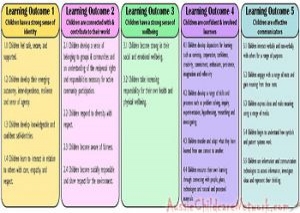 Here is the list of the EYLF Learning Outcomes that you can use as a guide or reference for your documentation and planning. The EYLF
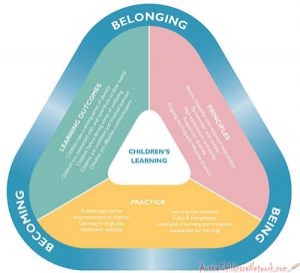 The EYLF is a guide which consists of Principles, Practices and 5 main Learning Outcomes along with each of their sub outcomes, based on identity,
 This is a guide on How to Write a Learning Story. It provides information on What Is A Learning Story, Writing A Learning Story, Sample
 One of the most important types of documentation methods that educators needs to be familiar with are “observations”. Observations are crucial for all early childhood
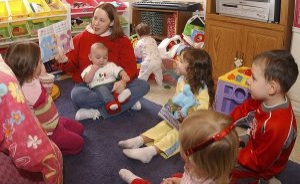 To support children achieve learning outcomes from the EYLF Framework, the following list gives educators examples of how to promote children's learning in each individual
 Reflective practice is learning from everyday situations and issues and concerns that arise which form part of our daily routine while working in an early
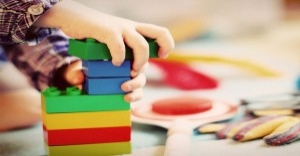 When observing children, it's important that we use a range of different observation methods from running records, learning stories to photographs and work samples. Using
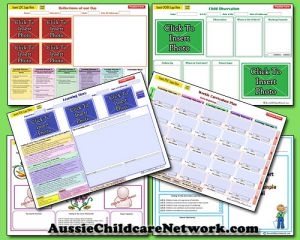 Within Australia, Programming and Planning is reflected and supported by the Early Years Learning Framework. Educators within early childhood settings, use the EYLF to guide
 This is a guide for educators on what to observe under each sub learning outcome from the EYLF Framework, when a child is engaged in
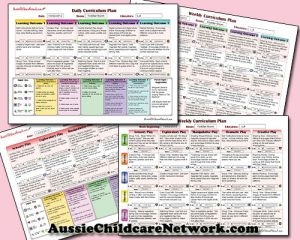 The Early Years Learning Framework describes the curriculum as “all the interactions, experiences, activities, routines and events, planned and unplanned, that occur in an environment