



Quality Area 7 has two standards that focus on governance and leadership at the service.
Quality Area 6 has two standards that support building collaborative partnerships with families and communities to enhance children’s inclusion, learning and wellbeing as they transition through the early years into school and/or attend outside school hours care services.

Quality Area 5 has two standards that focus on relationships between educators and children, and between children and their peers.

Quality Area 4 has two standards that focus on the organisation and professionalism of educators, staff and management.

Quality Area 3 has two standards that focus on the design of service facilities and the use of the service’s physical environment to support children’s experiences.

Quality Area 2 has two standards that focus on children’s health and safety.

Quality Area 1 has three standards that focus on the educational program, educational practice, and assessment and planning for each child’s learning and development.
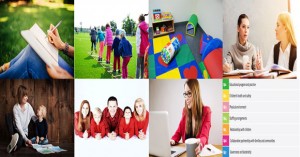
The National Quality Standard (NQS) of Australia sets a national benchmark for the quality of education and care services and includes seven quality areas that are important to outcomes for children.

Quality Area 7 focuses on effective leadership and governance of the service to establish and maintain quality environments for children’s learning and development.

Quality Area 6 focuses on supportive, respectful relationships with families which are fundamental to achieving quality outcomes for children. Community partnerships that are based on active communication, consultation and collaboration also contribute to children’s inclusion, learning and wellbeing.
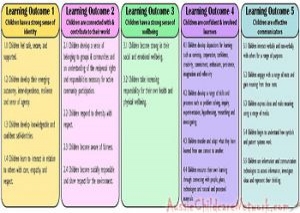 Here is the list of the EYLF Learning Outcomes that you can use as a guide or reference for your documentation and planning. The EYLF… Read More
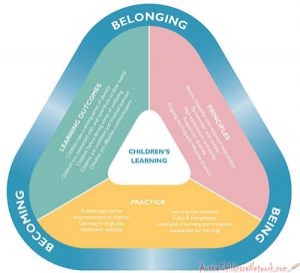 The EYLF is a guide which consists of Principles, Practices and 5 main Learning Outcomes along with each of their sub outcomes, based on identity,… Read More
 This is a guide on How to Write a Learning Story. It provides information on What Is A Learning Story, Writing A Learning Story, Sample… Read More
 One of the most important types of documentation methods that educators needs to be familiar with are “observations”. Observations are crucial for all early childhood… Read More
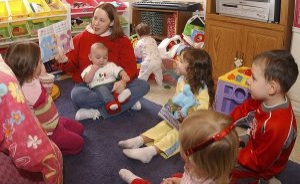 To support children achieve learning outcomes from the EYLF Framework, the following list gives educators examples of how to promote children's learning in each individual… Read More
 Reflective practice is learning from everyday situations and issues and concerns that arise which form part of our daily routine while working in an early… Read More
 When observing children, it's important that we use a range of different observation methods from running records, learning stories to photographs and work samples. Using… Read More
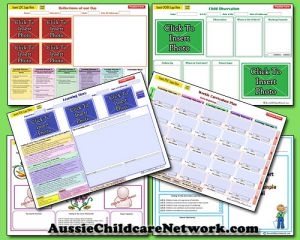 Within Australia, Programming and Planning is reflected and supported by the Early Years Learning Framework. Educators within early childhood settings, use the EYLF to guide… Read More
 This is a guide for educators on what to observe under each sub learning outcome from the EYLF Framework, when a child is engaged in… Read More
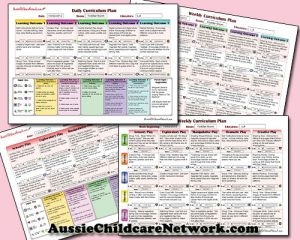 The Early Years Learning Framework describes the curriculum as “all the interactions, experiences, activities, routines and events, planned and unplanned, that occur in an environment… Read More

NAIDOC Week is a time to celebrate and learn about the rich histories, cultures, and...
See more...
A: The essence of reflection lies in its depth and authenticity—a well-articulated reflection can transport...
See more...
Outdoor sandpit setups in early childhood are best designed as open-ended, sensory-rich environments that encourage...
See more...