


A: A summary of learning in early childhood education provides a comprehensive overview of a child's progress, helping educators, parents, and caregivers understand their development. Here are some key benefits:
Learning journals are a fantastic tool for documenting a child’s development, learning experiences, and progress over time. They provide a personalized and holistic view of a child's growth and are beneficial for educators, parents, and even children themselves. The following article provides information on What Are Learning Journals, Benefits of Learning Journals, Observations and Documentation In Learning Journals, Example of A Learning Journal and more.
Writing a progress report for early childhood education in Australia involves capturing a child's learning journey in a way that is clear, balanced, and informative for families.
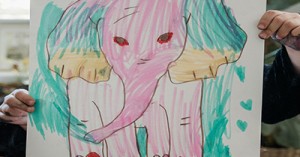
A work sample observation in early childhood education is a method used by educators to document and assess a child's learning and development through collected samples of their work. These samples can include drawings, paintings, writing, collages, and photographs of projects.

The following lists reflection questions to help educators develop cultural competence in early childhood settings.

Writing a group learning story is a fantastic way to document the collective learning experience of a group of children. Unlike individual learning stories, which focus on a single child, group learning stories capture the interactions, discoveries, and shared experiences of multiple children within a learning environment. The following article provides information on Steps to Write a Group Learning Story, Do I Have To Include All Children's Names?. Can I Include Group Stories In Individual Portfolios?, Best Practices For Documenting Group Learning Stories, Example Of A Group Learning Story and more.
The Early Years Learning Framework integrates creative arts into its curriculum planning to support children's development across multiple learning outcomes. The following article provides information on How Art Connects With EYLF Principles, What Are Some Creative Arts Activities For EYLF, How Can We Integrate Science into Creative Arts Activities, How Can We Integrate Music into Creative Art's Activities, What Are The Developmental Benefits Of Combining Art and Music, How Do Creative Arts Connect With EYLF Learning Outcomes and more.

A: Not necessarily! While follow-ups can be valuable, they aren't always required. Observations and learning stories serve different purposes, and whether a follow-up is needed depends on the context.
Quality Area 2 of the National Quality Standard focuses on Children’s Health and Safety, ensuring that environments are safe, hygienic, and supportive of children's well-being. Here are some practical examples of how this can be implemented in the workplace.
Anecdotal record observations are a valuable tool in early childhood education, helping educators document children's learning experiences and development. These records provide real-life observations that link directly to the EYLF outcomes. The following article provides Practical Examples Of Anecdotal Observations For Babies, Toddlers and Preschoolers and Practical Examples Of Anecdotal Observations For Each EYLF Learning Outcome.
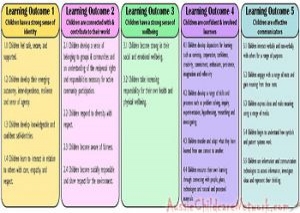 Here is the list of the EYLF Learning Outcomes that you can use as a guide or reference for your documentation and planning. The EYLF… Read More
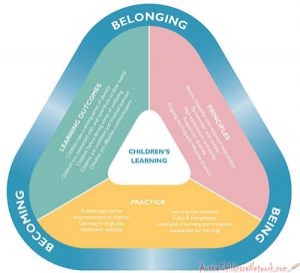 The EYLF is a guide which consists of Principles, Practices and 5 main Learning Outcomes along with each of their sub outcomes, based on identity,… Read More
 This is a guide on How to Write a Learning Story. It provides information on What Is A Learning Story, Writing A Learning Story, Sample… Read More
 One of the most important types of documentation methods that educators needs to be familiar with are “observations”. Observations are crucial for all early childhood… Read More
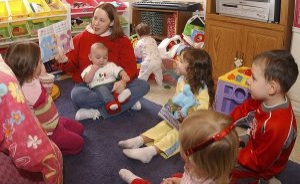 To support children achieve learning outcomes from the EYLF Framework, the following list gives educators examples of how to promote children's learning in each individual… Read More
 Reflective practice is learning from everyday situations and issues and concerns that arise which form part of our daily routine while working in an early… Read More
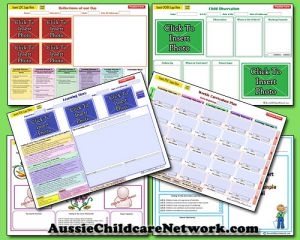 Within Australia, Programming and Planning is reflected and supported by the Early Years Learning Framework. Educators within early childhood settings, use the EYLF to guide… Read More
 When observing children, it's important that we use a range of different observation methods from running records, learning stories to photographs and work samples. Using… Read More
 This is a guide for educators on what to observe under each sub learning outcome from the EYLF Framework, when a child is engaged in… Read More
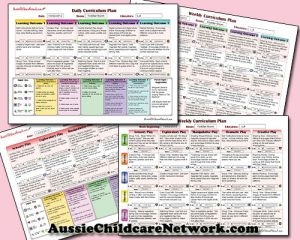 The Early Years Learning Framework describes the curriculum as “all the interactions, experiences, activities, routines and events, planned and unplanned, that occur in an environment… Read More
In early childhood education and care, child safety is not just a number—it’s a practice...
See more...
As parents, we know the indescribable joy of seeing our child’s face light up when...
See more...
When working in an early childhood service there are a number of work-related expenses that...
See more...